AI is rapidly becoming part of everyday business operations, from customer service and recruitment to financial analysis and software development. However, as organizations give artificial intelligence more responsibility, AI mistakes are exposing an important limitation. Even advanced systems can produce inaccurate, misleading, or inappropriate results.
Consequently, companies are beginning to rethink how much authority should be given to automated systems. Instead of treating AI as a replacement for human judgment, businesses are increasingly exploring models where people remain responsible for reviewing important decisions.
Why AI Mistakes Are Becoming More Visible
The growing visibility of AI mistakes is partly connected to the rapid expansion of AI adoption. More organizations are integrating generative AI and automated decision systems into workflows that previously depended entirely on employees.
When an AI system makes an error in a low risk task, the consequences may be minor. However, mistakes involving customers, employees, finances, security, or legal decisions can create much greater problems.
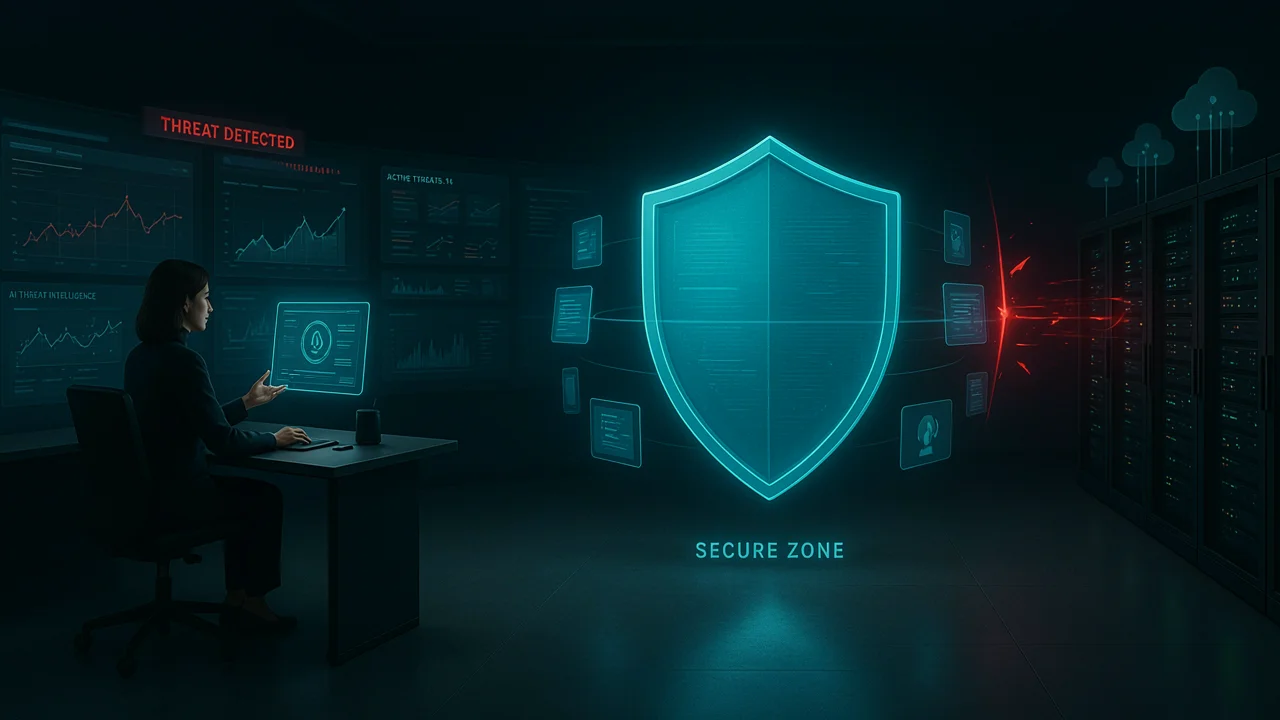
Technology insights from the expanding AI ecosystem show that performance alone is not enough to determine whether an automated system is suitable for a particular business process. Reliability, explainability, monitoring, and accountability also matter.
Human Oversight Is Becoming Essential
Human oversight provides an important layer of protection when AI systems operate in sensitive environments. A human reviewer can question an unusual recommendation, verify important information, and stop an automated action when something appears incorrect.
Therefore, organizations are increasingly considering human involvement as part of AI system design rather than treating it as an optional safety measure.
This does not mean employees need to review every AI generated response manually. Instead, businesses can identify high impact decisions where human approval is particularly valuable while allowing automation to handle lower risk repetitive tasks.
AI and the Changing Workplace
AI mistakes are also influencing how organizations think about employees and workplace technology. HR departments, for example, may use AI for candidate screening, employee communication, workforce analysis, and administrative tasks.
However, employment decisions can directly affect people’s careers. HR trends and insights therefore increasingly emphasize the importance of transparency, fairness, and responsible technology use.
Human professionals can provide context that automated systems may not understand. As a result, AI can support HR teams without becoming the sole authority behind important employment decisions.
Financial Decisions Require Greater Caution
Financial systems present another area where human oversight can become critical. AI can analyze large amounts of information quickly, identify patterns, and support forecasting. Nevertheless, incorrect outputs can potentially influence significant financial decisions.
Finance industry updates increasingly reflect the growing role of AI in financial services, but organizations must also consider governance, security, regulatory requirements, and accountability.
Consequently, companies should establish clear review mechanisms for AI systems involved in financial analysis, risk assessment, or customer related decisions.
Sales and Marketing Need Human Context
Sales teams are also adopting AI to research prospects, personalize communication, summarize customer interactions, and identify opportunities. These applications can improve productivity, but excessive automation may create communication that feels generic or inaccurate.
Sales strategies and research can benefit from AI generated insights while still relying on professionals to understand relationships and customer context. A human salesperson can recognize nuances that may not appear in structured customer data.
Similarly, marketing teams are using AI to generate campaigns, analyze audiences, and produce content. Marketing trends analysis shows how quickly automation is changing digital communication. However, human review remains important for brand reputation, factual accuracy, tone, and cultural relevance.
Building Responsible AI Governance
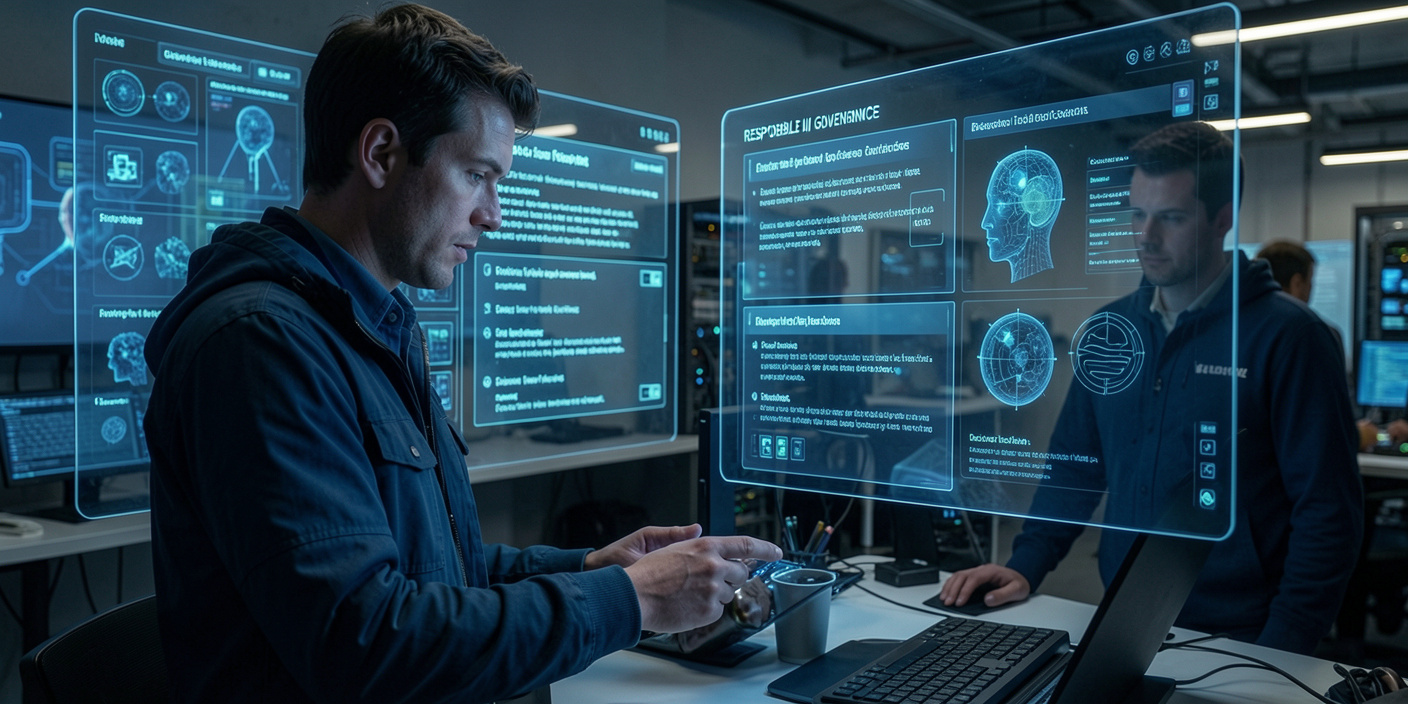
The rise of AI mistakes is encouraging organizations to strengthen their governance frameworks. Responsible AI requires more than selecting an advanced model. Companies need policies that define how systems should be used, what information they can access, and when human approval is required.
Moreover, organizations should monitor AI performance after deployment. An AI system that performs well during initial testing may behave differently as data, users, or business conditions change.
Regular evaluation can help companies identify emerging problems before they become serious operational issues.
The Role of AI Literacy
Human oversight becomes more effective when employees understand how AI systems work and where their limitations exist. AI literacy helps workers recognize that confident sounding output is not necessarily accurate output.
Therefore, companies should invest in training that teaches employees how to evaluate AI generated information, identify potential errors, protect sensitive data, and escalate questionable results.
This creates a workforce that can collaborate with AI rather than simply accepting its recommendations.
Balancing Automation With Accountability
The goal of responsible AI adoption is not to eliminate automation. Automation can reduce repetitive work, improve efficiency, and help employees process information faster.
The challenge is determining where automation creates value and where human judgment remains essential. A practical approach is to match the level of human oversight with the potential impact of an AI driven decision.
As a result, companies can benefit from automation while maintaining accountability for outcomes.
What AI Mistakes Mean for Digital Transformation
AI mistakes are changing the definition of successful digital transformation. Previously, businesses often measured technology initiatives through efficiency, cost reduction, and speed. Today, organizations must also consider reliability, transparency, security, and human responsibility.
This shift is particularly important as AI becomes embedded across the IT ecosystem. Companies that focus only on deploying AI may move quickly, but organizations that build strong governance around it are more likely to create sustainable value.
Meanwhile, emerging technology will continue to introduce new capabilities. Human oversight will need to evolve alongside those capabilities rather than remaining a fixed process.
Future Outlook for Human Oversight
AI mistakes are unlikely to disappear completely because artificial intelligence operates with imperfect data, models, context, and assumptions. The practical response is not to reject AI but to build systems where mistakes can be detected and corrected.
The future of AI powered business will likely involve closer collaboration between intelligent software and human professionals. AI can process information and automate routine decisions, while people provide judgment, accountability, empathy, and strategic direction.
For companies, the most valuable technology insights may therefore come from learning how to balance automation with responsibility. Strong human oversight can become a competitive advantage as organizations seek trustworthy and sustainable digital transformation.
Explore more expert technology insights and the latest IT industry news on iTechInfoPro.com.
Stay informed about AI innovation, digital transformation, and the evolving technology landscape.