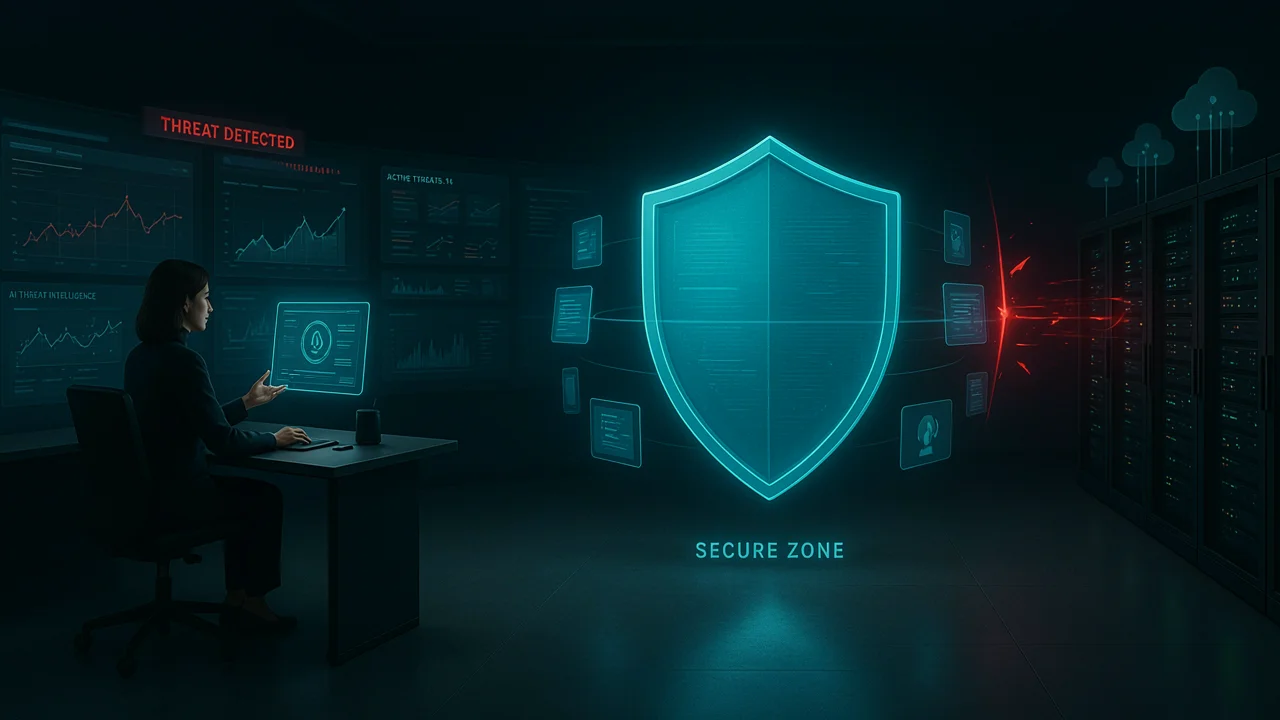
Technology has become central to how modern businesses operate, innovate and compete. As organizations adopt cloud platforms, artificial intelligence, automation and advanced data systems, the role of IT has expanded far beyond maintaining computers and networks. Today, technology teams must support immediate business needs while also preparing organizations for future opportunities.
This is where understanding the difference between IT strategy and IT operations becomes important. Although both areas work closely together, they serve different purposes within an organization. One focuses on long term direction, while the other ensures technology continues to function effectively every day.
What Is IT Strategy
IT strategy is the long term technology roadmap that connects an organization’s business objectives with its technology investments. It helps leaders determine which technologies should be adopted, how resources should be allocated and how digital capabilities can support future growth.
For example, a company planning international expansion may need a scalable cloud environment, stronger cybersecurity and improved data infrastructure. Therefore, its IT strategy should consider these requirements before they become operational challenges.
Moreover, an effective strategy looks beyond individual software systems. It considers innovation, business priorities, security, costs, workforce capabilities and emerging technologies. Consequently, IT leaders can make technology decisions with a broader business perspective.
What Is IT Operations
IT operations focuses on keeping an organization’s existing technology environment reliable, secure and available. It includes activities such as infrastructure management, system monitoring, technical support, application maintenance, network management and incident response.
In simple terms, operations ensure that technology works as expected every day. When an application stops working or employees experience network problems, the operations team helps identify and resolve the issue.
Meanwhile, operational teams also monitor system performance and address potential problems before they significantly affect business activities. As a result, strong IT operations contribute directly to productivity and business continuity.
IT Strategy vs IT Operations
The main distinction between the two is their focus. IT strategy looks toward the future, whereas IT operations concentrates on the present and the ongoing performance of technology systems.
However, the two functions should not operate independently. A strategy that ignores operational realities can become difficult to implement. Similarly, operations without a clear strategic direction can result in technology investments that solve short term problems without supporting long term business objectives.
Therefore, successful organizations create strong communication between strategic technology leaders and operational teams.
Digital transformation requires more than purchasing new technology. Businesses need a clear understanding of how technology can improve processes, customer experiences and decision making.
IT strategy provides the direction for transformation initiatives. It can identify opportunities involving artificial intelligence, cloud computing, automation, cybersecurity and data analytics. Operations then helps implement and maintain these technologies within the existing environment.
Additionally, operational feedback can improve future technology planning. If a new system creates performance problems or requires excessive maintenance, those lessons can influence subsequent strategic decisions.
The Role of Cloud and AI
Cloud computing and artificial intelligence have made the relationship between strategy and operations even more important. Organizations adopting AI need suitable infrastructure, reliable data, security controls and skilled employees.
From a strategic perspective, leaders must determine where AI can create meaningful business value. From an operational perspective, teams must ensure that applications, infrastructure and data environments can support those initiatives.
Furthermore, cloud platforms require continuous monitoring, security management and cost control. This demonstrates how strategic planning and operational execution must work together as technology ecosystems become more complex.
Why Business Teams Should Care
IT decisions increasingly affect every part of an organization. Finance teams may depend on reliable business applications and data systems, while sales teams require customer platforms that remain available and responsive.
Similarly, HR teams rely on technology for employee management, collaboration and workforce analytics. Marketing teams also depend on data platforms and digital tools to understand customers and measure campaigns.
Consequently, Technology insights, IT industry news, HR trends and insights, Finance industry updates, Sales strategies and research, and Marketing trends analysis can all intersect with technology planning.
Building Better Technology Alignment
Organizations can improve alignment by ensuring that technology priorities are connected to measurable business objectives. Instead of adopting technology simply because it is popular, leaders can evaluate how a solution will improve productivity, reduce risk, increase efficiency or enhance customer experience.
Moreover, communication between business departments and IT teams can help identify practical requirements early. This makes it easier to prioritize projects and allocate resources effectively.
In contrast, disconnected decision making can create duplicated systems, unnecessary spending and technology environments that are difficult to maintain.
The Future of IT Leadership
As artificial intelligence, automation and cloud computing continue to evolve, IT leadership will increasingly involve both strategic thinking and operational awareness. Technology leaders will need to understand emerging innovations while also recognizing the practical requirements of implementation.
Additionally, workforce capabilities will become increasingly important. Organizations may need employees with expertise in AI, cybersecurity, data engineering, cloud architecture and automation.
Therefore, the future IT ecosystem will depend not only on advanced technologies but also on effective planning, skilled people and reliable execution.
Valuable Insights for Modern Businesses
The difference between IT strategy and IT operations is ultimately about direction and execution. Strategy establishes where technology should take the organization, while operations helps ensure that existing technology performs reliably along the way.
Businesses can benefit from treating these functions as connected parts of one technology ecosystem. Strategic decisions should consider operational realities, while operational experiences should continuously inform future planning.
As technology becomes increasingly integrated into business processes, organizations that connect innovation with dependable execution can create a stronger foundation for sustainable digital transformation.
Explore More Technology Insights
Stay informed with practical perspectives on emerging technologies, digital transformation and the evolving IT ecosystem through iTechInfoPro.com.
Explore iTechInfoPro.com for more expert technology insights that help businesses understand innovation and make informed technology decisions.