Email remains one of the most important communication tools for modern organizations. However, managing a busy inbox can consume significant time that could otherwise be spent on strategic work. The latest development involving Claude and Gmail shows how artificial intelligence is moving beyond simple assistance toward practical workplace automation.
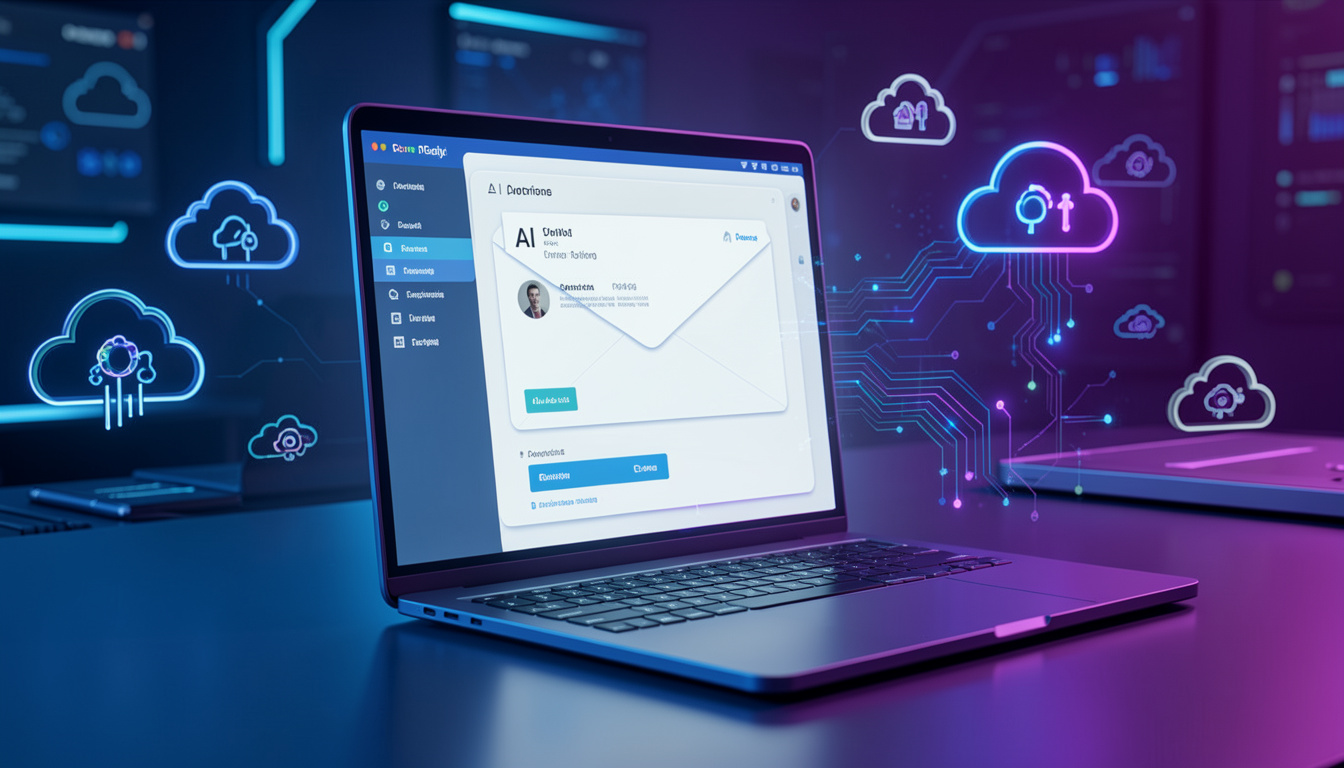
Claude can now send and reply to Gmail messages for you, giving users a more direct way to manage routine email communication with AI. Instead of simply generating suggested responses, the technology can help users complete parts of the communication process within their existing workflow.
This development reflects a broader shift across the technology industry. AI is increasingly becoming part of everyday productivity tools, helping professionals reduce repetitive work while focusing more attention on decision making, creativity, and customer engagement.
How Claude Gmail Integration Could Improve Productivity
The ability to work with Gmail directly could make AI assistance more useful for professionals who deal with large volumes of communication. Claude can now send and reply to Gmail messages for you, potentially helping users handle routine conversations without constantly switching between applications.
For example, professionals could use AI assistance to respond to common requests, follow up on conversations, or manage routine communication more efficiently. Meanwhile, users can maintain control over important decisions and review communications where human judgment is required.
Moreover, this type of integration demonstrates how AI is becoming more closely connected to the tools people already use. Rather than requiring users to learn an entirely new platform, AI can become part of familiar digital environments.
A New Stage of Workplace Automation
Traditional automation often depended on predefined rules and repetitive workflows. Generative AI introduces a more flexible approach because it can understand natural language and produce contextually relevant responses.
Consequently, Claude Gmail capabilities represent an important step toward intelligent workplace automation. An employee can describe what they want to accomplish in natural language, while AI helps translate that intent into an action.
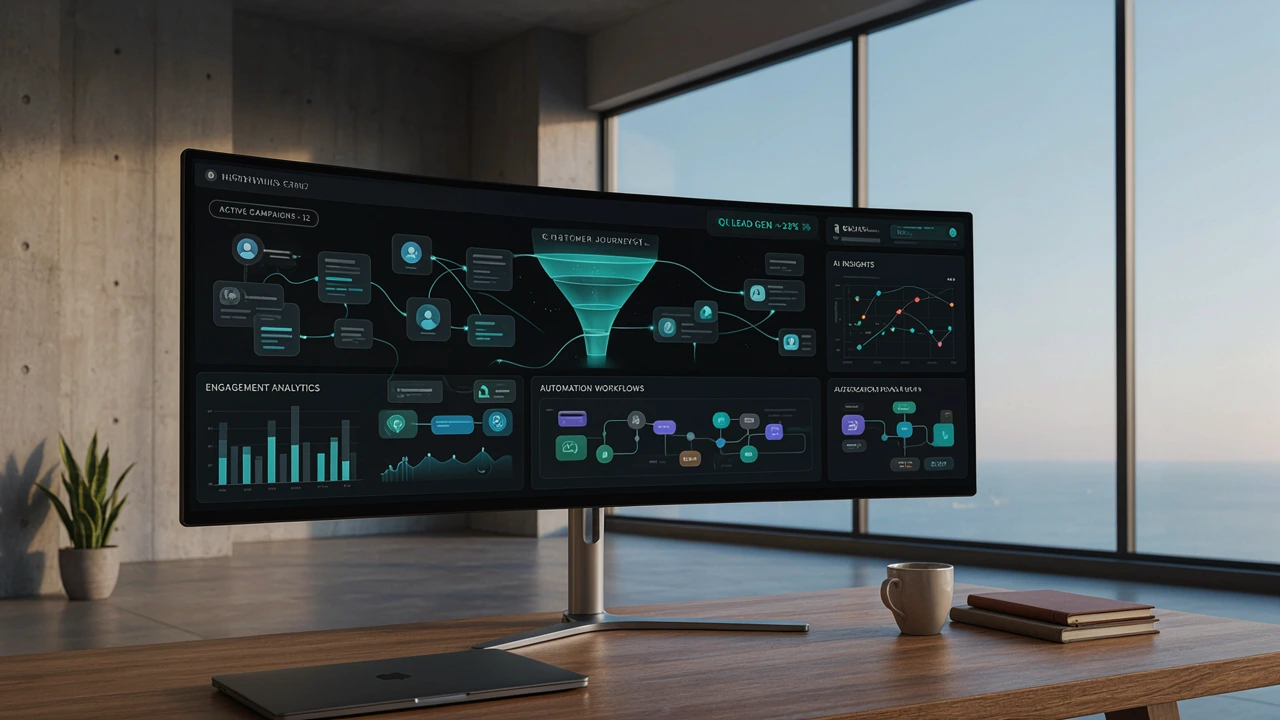
This could be particularly valuable for departments where email plays a major role. HR teams can benefit from faster internal communication, while sales teams can manage customer conversations more efficiently. Similarly, marketing professionals can use AI assistance when handling campaign related communication.
These developments also connect with broader HR trends and insights as organizations look for ways to improve employee productivity without increasing administrative workloads.
What It Means for Business Communication
Business communication is becoming increasingly automated, but successful automation requires more than speed. Accuracy, context, privacy, and human oversight remain essential.
Claude can now send and reply to Gmail messages for you, but businesses still need clear policies around how AI should interact with customers, employees, and partners. Sensitive information may require additional review before an automated response is sent.
Therefore, organizations should view AI email automation as an assistant rather than a complete replacement for human communication. The strongest approach combines machine efficiency with human judgment.
The same principle applies across technology insights, IT industry news, and digital transformation strategies. AI delivers the greatest value when it supports people instead of simply removing them from the workflow.
Impact Across Different Industries
The influence of AI powered email automation extends beyond office productivity. In finance, professionals could potentially use intelligent assistance for routine communication, contributing to more efficient workflows alongside emerging finance industry updates.
Sales teams may also benefit significantly. Faster follow ups and more consistent communication can support sales strategies and research while allowing representatives to spend more time building relationships.
Marketing teams could similarly benefit from faster campaign communication, customer interactions, and coordination. As marketing trends analysis increasingly focuses on personalization and automation, AI powered email tools could become an important part of modern marketing operations.
Additionally, IT teams may gain new opportunities to streamline internal requests, support communication, and operational coordination. This illustrates how AI is becoming a cross functional technology rather than a tool limited to technical departments.
Security and Human Oversight Still Matter
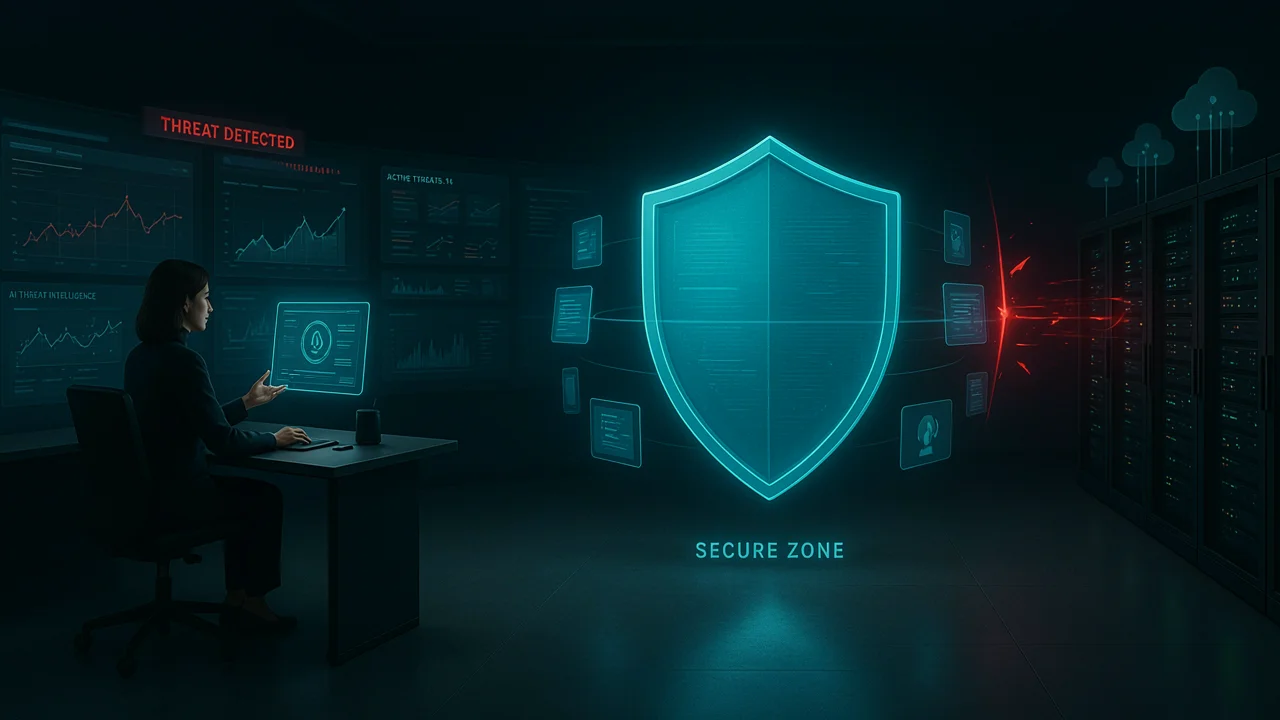
Greater automation also creates important responsibilities. Giving AI access to email introduces questions about permissions, privacy, accidental responses, and the handling of confidential information.
Organizations therefore need appropriate safeguards before adopting automated email workflows at scale. Users should understand what the AI can access, what actions it can perform, and when human approval is required.
Moreover, employees should remain aware that AI generated communication may not always understand every business relationship or sensitive situation correctly. Human review remains valuable for complex, confidential, or high impact conversations.
As a result, responsible AI adoption will depend on balancing convenience with security and accountability.
The Future of AI Powered Email
The development surrounding Claude and Gmail provides a glimpse into where workplace software could be heading. Instead of opening multiple applications and manually completing every task, users may increasingly communicate their intentions to AI and allow connected tools to execute routine actions.
Claude can now send and reply to Gmail messages for you, and this capability could become part of a much larger movement toward AI agents that coordinate tasks across digital platforms.
In the future, AI assistants may manage communication, organize information, prepare documents, schedule activities, and support business decisions through a single conversational interface. However, trust will remain one of the biggest factors determining how quickly organizations adopt these systems.
Practical Insights for the Evolving IT Ecosystem
For professionals, the key lesson is that AI adoption is moving from experimentation toward practical workplace applications. Email automation is a clear example because it addresses a familiar problem while fitting into existing digital workflows.
Companies should therefore focus on identifying repetitive processes where AI can provide measurable value while maintaining appropriate oversight. Employees should also develop AI literacy so they can understand both the capabilities and limitations of these systems.
The rise of intelligent email automation signals a broader transformation across the IT ecosystem. As AI becomes embedded into everyday software, productivity will increasingly depend on how effectively people collaborate with intelligent systems.
The future of workplace communication will not simply be about sending emails faster. It will be about creating smarter workflows where technology handles routine tasks and people focus on work that requires judgment, creativity, and strategic thinking.
Explore More Technology Insights
Stay informed about emerging AI innovations, digital transformation, and the latest IT industry news with iTechInfoPro.com.
Explore more expert technology insights on iTechInfoPro.com and stay ahead of the rapidly evolving digital landscape.