XPENG is making a major move in robotics after its robotics business raised more than $900 million in its first external funding round. The financing gives the business a post money valuation of more than $6.3 billion and represents the largest single round of private financing reported in China’s embodied AI industry.
The development highlights how quickly intelligent machines are moving from research environments toward commercial applications. More importantly, the funding signals growing confidence in technologies that allow software intelligence to interact directly with the physical world.
For technology professionals, the announcement provides important Technology insights into the changing relationship between robotics, computing, software development, and manufacturing.
IRON Takes Center Stage in XPENG’s Robotics Strategy
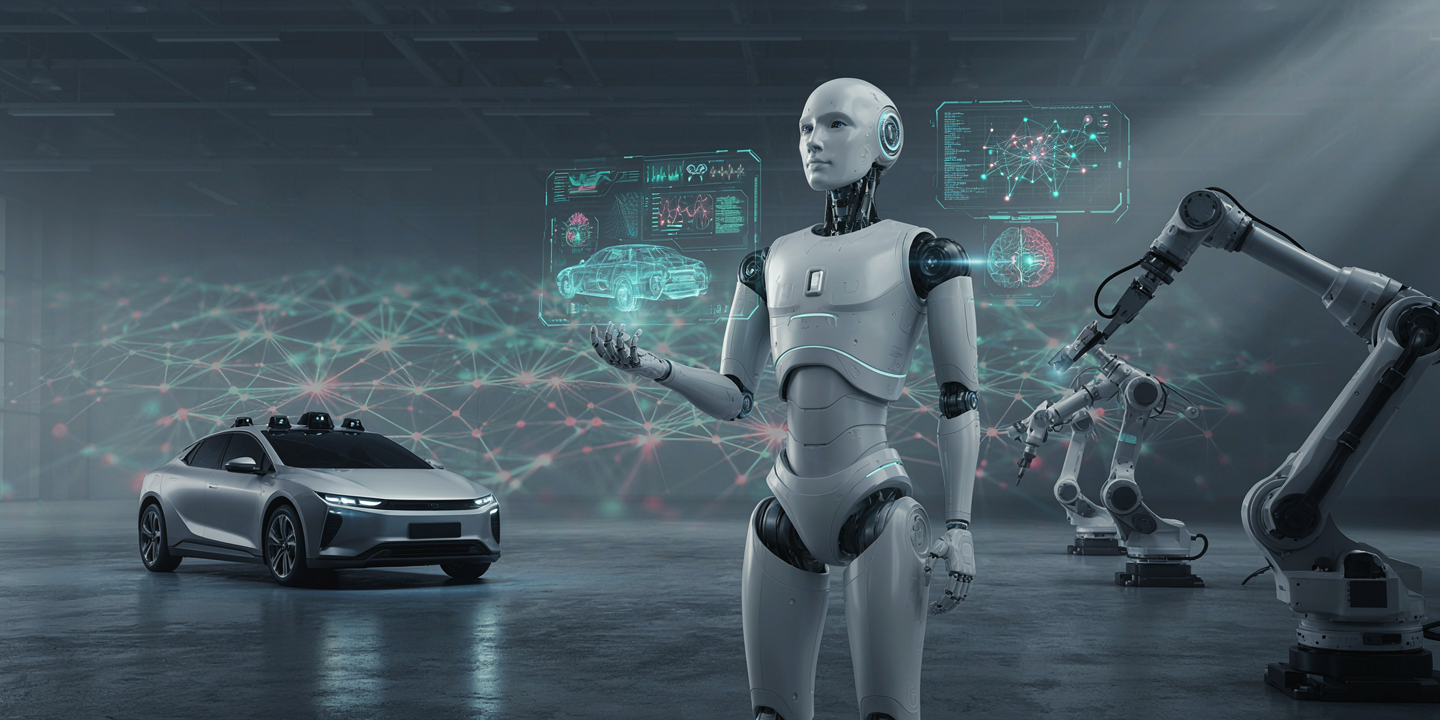
At the center of XPENG’s strategy is its next generation IRON humanoid robot. The company describes IRON as a general purpose humanoid platform designed to combine human like movement with AI driven intelligence.
According to XPENG, IRON has 76 degrees of freedom across its body, including 21 in each hand. The robot is also powered by three Turing AI chips that provide up to 2,250 TOPS of effective computing power. This architecture is designed to support on device intelligence and autonomous task execution without relying on remote operation.
Consequently, IRON represents more than a robotics hardware project. It reflects XPENG’s broader effort to build an integrated technology ecosystem that combines chips, software, physical systems, data, and intelligent models.
Funding Will Accelerate Development and Commercialization
The funding round was led by IDG Capital, with participation from Gaorong Ventures and strategic support from Tencent and Alibaba. XPENG says the capital will support hardware and software research, Physical AI model development, high quality data generation, mass production facilities, and international expansion.
Meanwhile, XPENG is targeting mass production of IRON by the end of 2026. The company expects initial deployments at its stores and campuses before beginning deliveries in China and overseas markets in 2027.
This timeline demonstrates a significant shift in the robotics sector. Companies are increasingly focusing not only on demonstrating what robots can do but also on building the infrastructure required to manufacture and deploy them at scale.
Physical AI Moves Beyond Digital Environments
Traditional AI applications have largely operated inside digital environments. Search systems, recommendation engines, software assistants, analytics platforms, and generative applications can process information without directly manipulating the physical world.
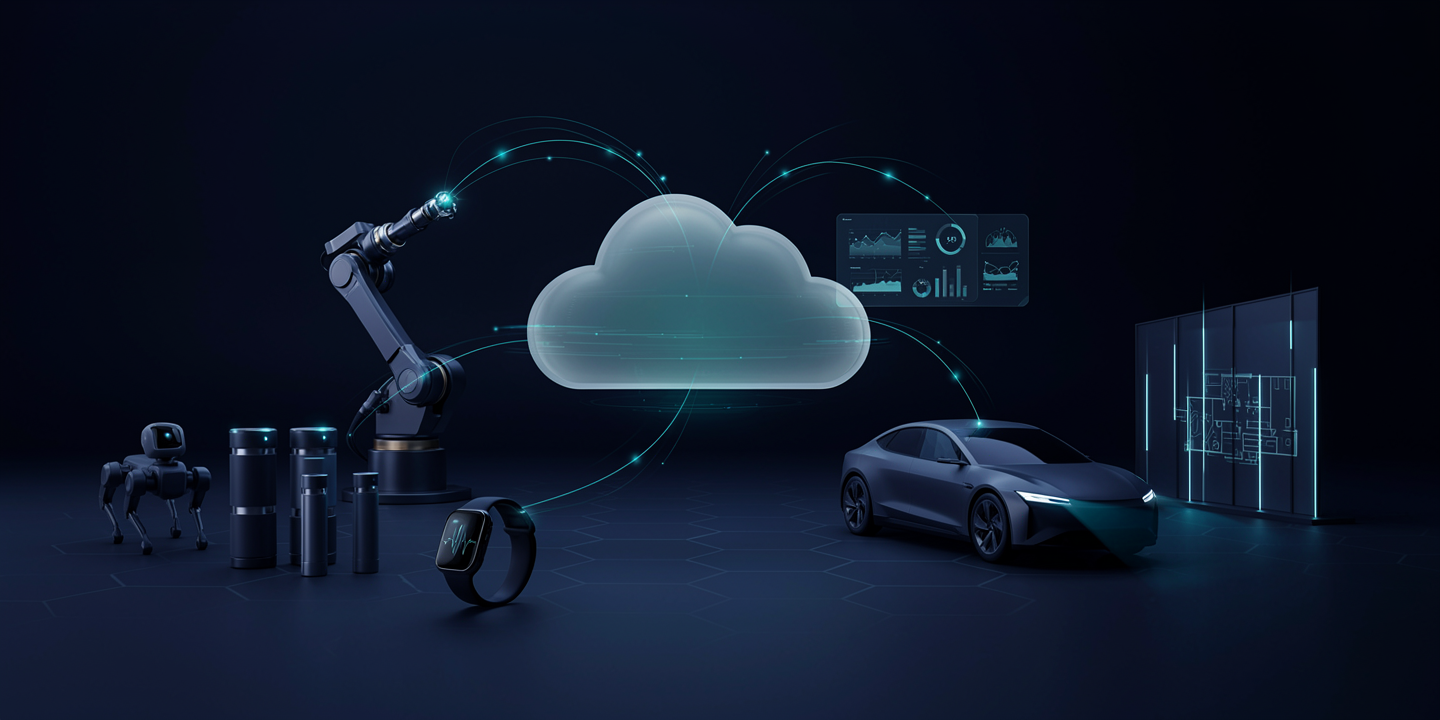
Physical AI changes that relationship. It combines intelligent software with sensors, computing hardware, motors, robotic systems, and real world data. As a result, machines can perceive environments, interpret information, make decisions, and perform physical actions.
XPENG’s strategy reflects this transition. The company is applying capabilities developed through intelligent electric vehicles and autonomous driving to humanoid robotics. Similarly, its broader Physical AI ecosystem includes intelligent vehicles, Robotaxis, and humanoid robots.
Automotive Technology Meets Humanoid Robotics
XPENG’s automotive background could become an important advantage as the company works toward large scale robotics production. The company says it is applying automotive grade quality standards and manufacturing capabilities to its robotics business.
Furthermore, the connection between vehicles and humanoid robots extends beyond manufacturing. Both areas require advanced perception, real time computing, intelligent control systems, software integration, and large quantities of high quality data.
This convergence is particularly relevant to the evolving IT ecosystem because technology companies are increasingly developing interconnected hardware and software platforms rather than isolated products.
Data Could Become a Major Competitive Advantage
One of the most important aspects of physical robotics is the relationship between real world deployment and data. A robot operating in stores, factories, campuses, or other environments can generate information that may help developers understand how machines behave in practical situations.
XPENG describes this as a data and model improvement cycle in which real world deployment can contribute to further development of its Physical AI systems.
However, creating this cycle at scale will require strong computing infrastructure, secure data management, effective model training, and reliable hardware. Therefore, the success of humanoid robotics will depend on much more than the physical robot itself.
What the Development Means for the IT Industry
The growth of Physical AI could create new opportunities across software engineering, semiconductor development, cloud infrastructure, cybersecurity, data management, manufacturing technology, and enterprise automation.
Additionally, IT industry news is increasingly shaped by developments where software and physical systems overlap. Businesses that once focused primarily on digital transformation may eventually need to consider how intelligent machines could influence their operations.
HR trends and insights could also become relevant as organizations examine how robotics may change job responsibilities, workforce training, and human machine collaboration. Rather than simply replacing existing roles, early adoption could create demand for employees who can manage, maintain, supervise, and integrate robotic systems.
Financial and Commercial Implications
The scale of XPENG’s funding demonstrates that investors are willing to make substantial commitments to Physical AI. Finance industry updates are increasingly important for technology leaders because major investments can accelerate competition and influence the direction of emerging markets.
At the same time, commercial success will depend on whether humanoid robots can provide measurable value. Manufacturing costs, reliability, safety, maintenance, software capabilities, and practical use cases will all influence adoption.
Sales strategies and research could therefore become increasingly important as robotics companies move from technology demonstrations toward enterprise contracts and commercial deployments.
A New Opportunity for Digital Transformation
Humanoid robotics could eventually become another layer of digital transformation. Businesses may use intelligent machines alongside existing enterprise software, connected devices, automation platforms, and analytics systems.
Moreover, marketing teams may need to explain increasingly complex technology products to customers and business decision makers. Marketing trends analysis will therefore remain important as companies communicate the practical value of Physical AI rather than focusing solely on technical specifications.
For XPENG, the challenge now is to convert substantial investment and advanced engineering into reliable commercial products.
Future Outlook for XPENG IRON
XPENG’s record funding provides significant financial resources for developing IRON and expanding its Physical AI ecosystem. The company’s plan to begin mass production by the end of 2026 and commercial deliveries in 2027 places execution at the center of its next phase.
The broader significance is equally important. Physical AI is moving toward a stage where intelligent machines are expected to operate in real environments and deliver measurable business value.
For businesses, the development is worth watching closely. Companies should evaluate where robotics could improve productivity, examine the skills their workforce may need, and monitor developments in computing, automation, data infrastructure, and intelligent hardware.
The next phase of the robotics industry will ultimately be determined by practical performance, production scale, safety, affordability, and commercial demand. XPENG’s IRON initiative shows that the race toward that future is accelerating.
Expert Technology Insights for the Road Ahead
The rise of Physical AI demonstrates how digital intelligence is expanding into manufacturing, mobility, retail, and other real world environments. Organizations that monitor these developments today can better prepare for the technological changes ahead.
Explore more expert technology insights, IT industry news, and digital transformation developments on iTechInfoPro.com.
Source : artificialintelligence-news