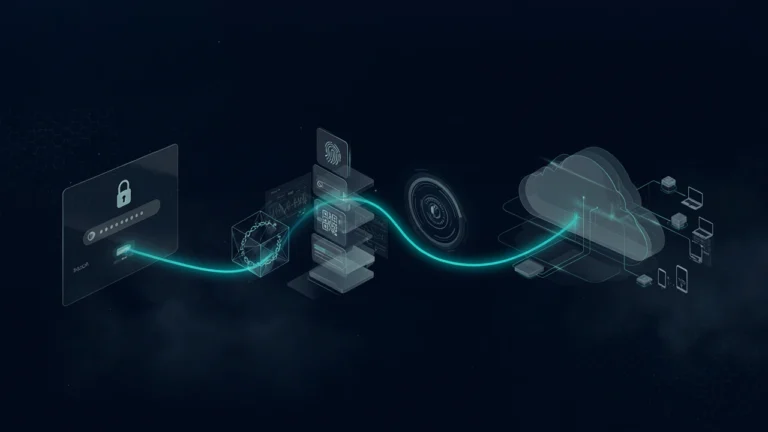
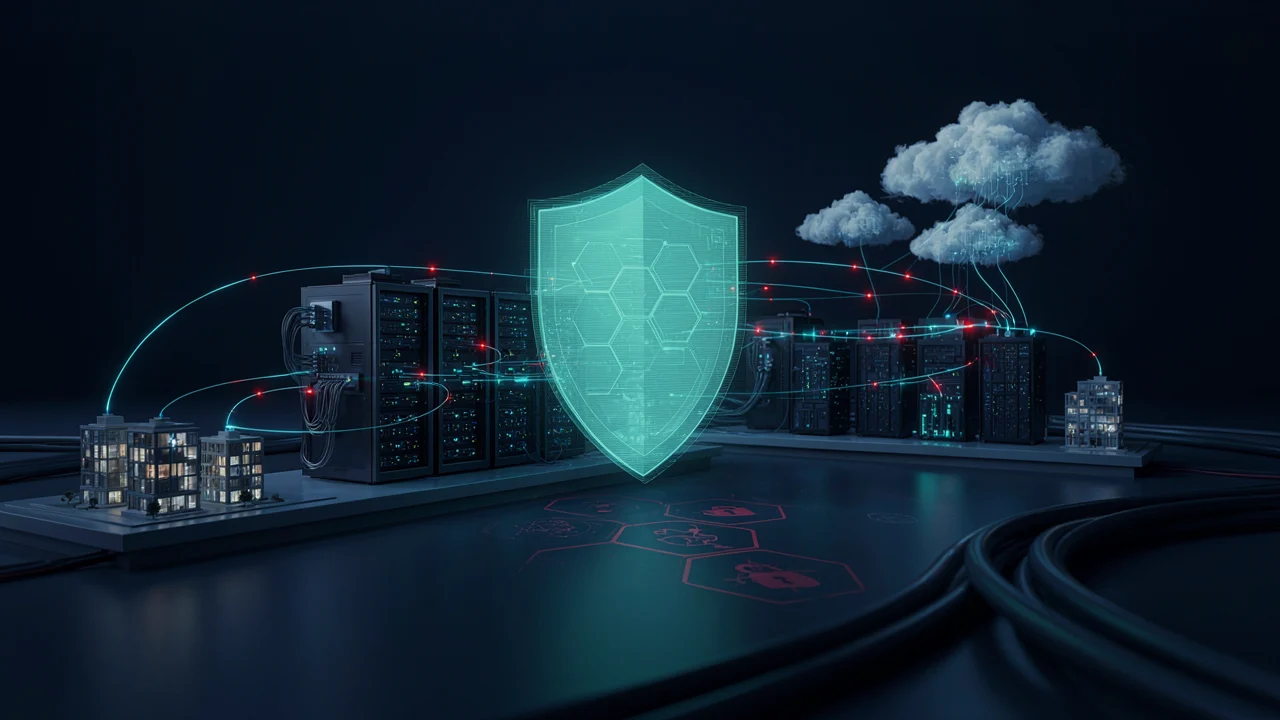
For years, passwords were the first and often the strongest line of defense for business systems. However, the rapid growth of cloud applications, remote work, connected devices, and artificial intelligence has changed the security landscape. Organizations now operate across increasingly complex digital environments where simply protecting a password is no longer enough.
As businesses accelerate digital transformation, security policies must evolve alongside technology. Instead of assuming that users and devices inside a corporate environment are trustworthy, modern security strategies increasingly focus on verifying every access request.
This shift is helping organizations rethink how they protect applications, data, employees, and digital infrastructure.
Why Traditional Password Policies Are Losing Ground
Passwords remain common because they are simple to understand and relatively inexpensive to implement. Nevertheless, they create several security challenges. Weak credentials, password reuse, phishing attacks, and stolen login information can provide attackers with an easy path into business systems.
Moreover, employees often access corporate applications from different locations and devices. Consequently, organizations have less control over the environments from which users connect.
This changing workplace has made identity security a central part of modern Technology insights. Businesses need to understand not only who is requesting access but also whether the request makes sense based on the user’s device, location, application, and behavior.
The Rise of Zero Trust Security
Zero Trust represents a significant change in how organizations approach digital security. Rather than automatically trusting users after they successfully log in, the model requires continuous verification and appropriate authorization.
In practice, this means access can depend on multiple factors. A user’s identity, device health, permissions, application, and security context can all influence whether access should be granted.
Furthermore, access should be limited to what an employee actually needs. This principle can reduce the potential damage if an account becomes compromised.
As a result, Zero Trust is becoming an important part of enterprise security strategies as organizations expand their use of cloud services and distributed infrastructure.
Identity Has Become the New Security Perimeter
Modern businesses increasingly view identity as a critical security control. Employees, contractors, applications, and automated systems can all require access to digital resources.
Therefore, organizations are investing in stronger authentication methods, centralized identity management, multi factor authentication, and more detailed access controls.
Meanwhile, security teams are also paying closer attention to machine identities and application permissions. As businesses adopt artificial intelligence and automation, software systems can increasingly interact with sensitive information without direct human involvement.
This creates new challenges for security policies because organizations must manage both human and machine access.
Digital transformation has expanded the technology ecosystem inside modern companies. Cloud platforms, collaboration applications, software as a service products, mobile devices, and connected systems have become essential to daily operations.
However, every new technology can introduce additional security considerations. Consequently, IT policies should explain how employees can access company resources, handle sensitive information, use external applications, and report suspicious activity.
Additionally, policies should be reviewed regularly rather than treated as permanent documents. Technology changes quickly, and outdated policies can leave organizations exposed to risks that did not exist when the original rules were created.
The Human Element Still Matters
Technology alone cannot create a secure organization. Employees remain an important part of the security environment because they interact with applications, devices, data, and communication systems every day.
For this reason, HR teams and technology leaders should work together when developing security policies. Training programs can explain why authentication requirements exist and how employees should respond to suspicious messages or unexpected access requests.
Similarly, HR trends and insights can help organizations understand changing workforce patterns, including remote work and flexible employment arrangements. These changes can directly influence security requirements.
Zero Trust and Business Operations
A strong security model should protect the business without unnecessarily slowing employees down. If security controls are complicated or poorly designed, employees may look for unofficial alternatives that create additional risks.
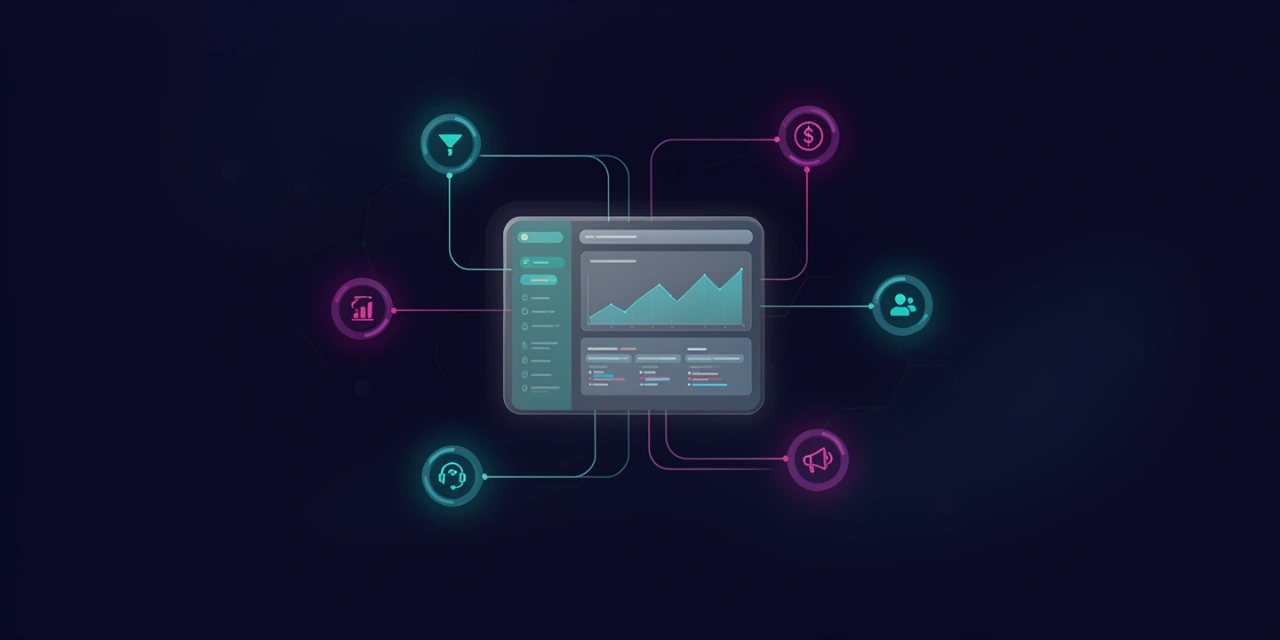
Therefore, organizations need to balance protection with usability. Modern identity platforms can help automate access decisions while reducing unnecessary friction.
This balance is especially important for departments that depend on rapid access to information. Sales teams, for example, may require access to customer systems from different locations, while marketing teams may work across numerous cloud platforms.
Understanding Sales strategies and research and Marketing trends analysis can therefore provide useful context when designing access policies that support productivity without weakening security.
Financial and Operational Considerations
Security investments also have a direct relationship with financial planning. Implementing identity platforms, authentication technologies, monitoring systems, and security training requires resources.
Nevertheless, the cost of preventing a serious breach can be considerably lower than dealing with operational disruption, data loss, regulatory consequences, and reputational damage.
Finance teams should therefore consider cybersecurity as part of broader business resilience rather than treating it only as an IT expense. Finance industry updates also demonstrate how organizations across financial services are placing greater emphasis on identity, data protection, and digital risk management.
What the Future Holds for IT Security
The next stage of IT security will likely involve greater automation and continuous risk assessment. Artificial intelligence can help security teams identify unusual behavior, detect potential threats, and prioritize incidents.
However, automation also introduces new challenges. Organizations need policies that define how AI systems access data, what permissions automated tools receive, and how decisions made by intelligent systems are monitored.
Meanwhile, IT industry news continues to highlight the growing importance of cloud security, identity management, data governance, and cybersecurity resilience. As the technology ecosystem becomes more connected, security policies will need to become more adaptive as well.
Practical Insights for Modern Businesses
Businesses moving toward Zero Trust should begin by understanding their users, applications, devices, data, and existing access permissions. This provides a clearer picture of where unnecessary trust currently exists.
Next, organizations can strengthen authentication and gradually introduce more detailed access controls. Regular policy reviews should follow technological changes, workforce changes, and emerging security threats.
Most importantly, security should become part of everyday business operations rather than remaining an isolated IT responsibility. When technology, HR, finance, sales, and marketing teams understand their role in security, organizations can create a stronger and more resilient digital environment.
Explore More Technology Insights
As digital transformation continues, security policies will need to evolve from static password rules toward intelligent, identity focused protection. Explore more expert Technology insights and emerging IT developments on iTechInfoPro.com.