Artificial intelligence has moved beyond the stage where businesses simply test what the technology can do. Across industries, organizations are increasingly looking for practical ways to integrate AI into everyday operations, customer experiences and strategic decision making.
The shift from experimentation to enterprise adoption reflects a broader change in how companies evaluate technology. Instead of focusing primarily on demonstrations and pilot projects, leaders are now asking whether AI can deliver measurable improvements in productivity, efficiency, revenue and customer satisfaction.
As a result, AI is becoming an increasingly important part of digital transformation strategies.
Businesses Want Measurable Results
Early AI projects often focused on experimentation. Teams tested generative AI tools, explored automation opportunities and built small internal applications. However, successful experimentation does not automatically translate into business value.
Today, organizations are placing greater emphasis on measurable outcomes. They want technology investments to improve operational efficiency, reduce repetitive work, support employees and create better customer experiences.
Therefore, businesses are increasingly selecting AI projects based on clearly defined objectives. This approach makes it easier to measure performance and determine whether a technology initiative deserves wider investment.
AI Is Becoming Part of Enterprise Workflows
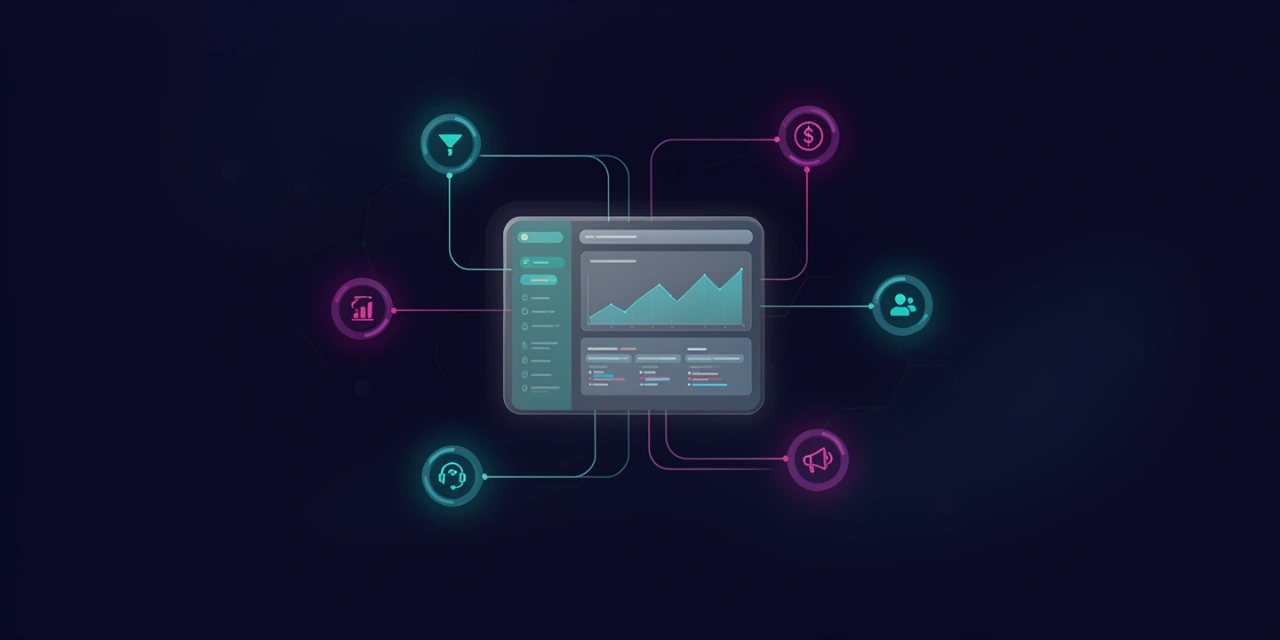
Another major development is the integration of AI into existing business systems. Rather than treating artificial intelligence as a separate tool, companies are embedding it into workflows used by employees every day.
AI can support activities such as document processing, customer service, software development, data analysis and knowledge management. Moreover, AI assistants and autonomous agents are beginning to help employees complete tasks that previously required multiple manual steps.
Consequently, enterprise AI adoption is increasingly connected with workflow redesign rather than simply adding another software application.
Cloud Infrastructure Supports Wider Adoption
Cloud computing continues to provide an important foundation for enterprise AI. Businesses can access computing resources, data platforms and AI services without building every component internally.
Additionally, cloud based infrastructure allows organizations to scale AI workloads according to demand. This flexibility is particularly useful when companies move from small experiments to larger deployments involving thousands of employees or customers.
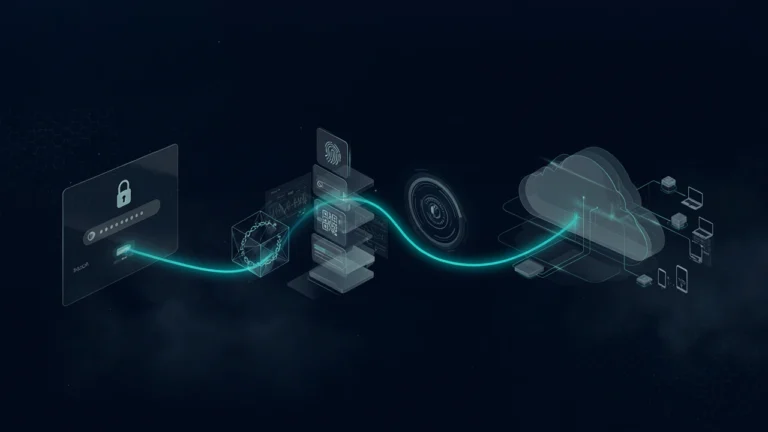
Technology insights increasingly highlight the connection between AI, cloud platforms, data infrastructure and cybersecurity. Together, these technologies are creating the foundation for more sophisticated enterprise applications.
Data Quality Becomes More Important
AI systems depend heavily on the quality of the information they use. Consequently, companies moving toward wider adoption are paying greater attention to data management, integration and governance.
Poor quality or fragmented data can reduce the usefulness of AI applications. In contrast, well managed enterprise data can help organizations build more reliable systems and generate better insights.
Meanwhile, IT industry news continues to emphasize the importance of modern data architectures as organizations prepare their technology environments for increasingly advanced AI workloads.
Employees Remain Central to AI Transformation
Enterprise AI adoption is not only a technology challenge. It is also a workforce transformation challenge.
Employees need to understand how AI tools work, when they should be used and where human judgment remains necessary. Furthermore, organizations need training programs that help employees develop digital skills and adapt to changing responsibilities.
HR trends and insights show why workforce development is becoming closely connected with technology strategy. Businesses that invest in employee education can make it easier for teams to adopt new tools while reducing uncertainty around workplace automation.
AI Investment Requires Financial Discipline
Moving from experimentation to enterprise deployment can require significant investment. Companies may need to upgrade infrastructure, improve data systems, purchase software and provide employee training.
Therefore, financial planning becomes an important part of AI strategy. Finance industry updates can help organizations understand broader technology investment patterns, while internal financial analysis can determine whether an AI project is producing measurable value.
The most effective organizations are likely to focus on sustainable adoption rather than simply increasing the number of AI projects.
Customer Experience Is Driving Adoption
Customer expectations are also encouraging businesses to adopt AI more broadly. Customers increasingly expect faster responses, personalized experiences and convenient digital services.
AI can help organizations analyze customer behavior, automate support interactions and personalize communications. Moreover, businesses can combine AI with customer data to identify changing preferences and improve engagement.
Sales strategies and research can help companies identify where AI can improve lead generation and customer relationships. Similarly, Marketing trends analysis can reveal opportunities for personalization, content optimization and campaign automation.
Governance Becomes Essential
As AI becomes more deeply embedded in business processes, governance becomes increasingly important. Organizations need clear policies around data privacy, security, model performance and responsible use.
Additionally, businesses should determine which decisions require human oversight. AI can process large amounts of information quickly, but important business decisions may still require context, experience and accountability.
Consequently, enterprise adoption should combine technological innovation with responsible governance.
Building an AI Ready IT Ecosystem
Companies moving toward enterprise adoption should consider their entire technology environment. AI applications need reliable data, scalable infrastructure, secure systems and employees who understand how to use them.
Furthermore, businesses should avoid treating every AI project as an isolated initiative. Connecting projects to broader digital transformation goals can create greater consistency and reduce unnecessary technology duplication.
As organizations mature, AI can become part of a wider technology ecosystem that supports operations, customer engagement and strategic planning.
What Businesses Should Focus on Next
The move from AI experimentation to enterprise adoption signals a more mature phase of digital transformation. Companies are becoming less interested in AI simply because it is innovative and more interested in how it can solve meaningful business problems.
The next stage will likely involve deeper integration between AI agents, enterprise software, cloud infrastructure, analytics and automation. Businesses that establish strong data foundations, develop employee skills and create effective governance frameworks can be better prepared for this transition.
For technology leaders, the key opportunity is to connect innovation with measurable outcomes. Instead of asking where AI can be added, organizations can ask which business problems can be solved better with intelligent technology.
Practical Insights for Technology Leaders
Businesses should begin by identifying high value processes where AI can deliver measurable improvements. From there, leadership teams can evaluate data readiness, employee capabilities, security requirements and financial impact before expanding successful projects.
Most importantly, enterprise adoption should be treated as an ongoing transformation rather than a single technology purchase. Continuous evaluation, employee learning and responsible governance can help organizations capture value while adapting to rapid changes across the IT ecosystem.
Explore More Technology Insights
Discover the latest technology insights, digital transformation developments and IT industry news with iTechInfoPro.