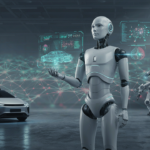
Artificial intelligence is no longer limited to research laboratories, large technology companies, or science fiction. It has gradually become part of everyday life, influencing how people communicate, work, shop, travel, learn, and access information. From voice assistants and personalized recommendations to navigation apps and smart devices, Artificial Intelligence is helping automate tasks and make digital experiences more personalized.
As technology continues to develop, understanding how Artificial Intelligence affects daily life has become increasingly important for individuals and businesses.
What Is Artificial Intelligence?
Artificial Intelligence refers to technology that enables computer systems to perform tasks that normally require human intelligence. These tasks can include understanding language, recognizing images, identifying patterns, making predictions, and responding to questions.
Modern AI systems can process large amounts of information and use patterns in data to produce useful results. Machine learning, natural language processing, computer vision, and generative AI are some of the technologies contributing to the growth of Artificial Intelligence.
The technology is developing quickly, but its most noticeable impact can be seen in everyday digital services.
Artificial Intelligence in Communication
Many people interact with AI without realizing it.
Email platforms can automatically identify unwanted messages, suggest responses, and organize incoming communication. Smartphones use AI-powered features for voice recognition, text suggestions, translation, and image processing.
Voice assistants can also understand spoken commands and provide information, set reminders, play music, or control compatible smart devices.
These features may appear simple, but they rely on sophisticated systems that analyze language and user requests.
How AI Is Changing Online Shopping
Artificial Intelligence has changed the way people discover and purchase products online.
E-commerce platforms analyze browsing behavior, previous purchases, searches, and other signals to recommend products that may interest individual customers. Search results can also be personalized based on user behavior.
AI can help businesses understand customer preferences and improve product recommendations. For consumers, this can make it easier to find relevant products without searching through thousands of options.
However, personalization also makes data privacy an important consideration. Businesses need to handle customer information responsibly and provide appropriate transparency about how data is used.
Artificial Intelligence at Work
The workplace is another area where Artificial Intelligence is having a significant impact.
Businesses are using AI tools to automate repetitive tasks, analyze information, summarize documents, assist with customer service, and support decision-making. Employees can use these systems to spend less time on routine activities and more time on tasks requiring creativity, communication, and judgment.
AI does not necessarily mean replacing every human task. In many situations, its value comes from helping people work more efficiently.
For example, a marketing professional may use AI to analyze campaign data, while an accountant may use automated systems to identify unusual transactions or organize financial information.
AI in Healthcare
Healthcare is also benefiting from advances in Artificial Intelligence.
AI systems can assist professionals with medical image analysis, administrative processes, patient monitoring, and research. Researchers are exploring ways to use AI to identify patterns in large datasets and support the development of new treatments.
The use of AI in healthcare requires particular care because medical decisions can have serious consequences. Human expertise, appropriate validation, privacy protections, and regulatory oversight remain essential.
Smarter Travel and Navigation
Navigation applications are another everyday example of Artificial Intelligence.
Travel platforms can analyze traffic conditions, historical patterns, road information, and other data to recommend routes and estimate arrival times. Some systems can adjust recommendations when traffic conditions change.
AI can also support transportation companies by helping with demand forecasting, fleet management, and route optimization.
For everyday users, these systems can make travel more convenient while reducing the time spent planning journeys.
AI and Entertainment
Artificial Intelligence has become a major part of digital entertainment.
Streaming services use recommendation systems to suggest movies, television programs, music, and other content based on viewing or listening behavior. Social media platforms also use algorithms to determine which posts, videos, or advertisements appear in users’ feeds.
These systems can help people discover content that matches their interests. At the same time, excessive personalization can create concerns about digital habits, privacy, and the type of information people are exposed to.
Artificial Intelligence in Education
Education is another field where AI tools are becoming increasingly accessible.
Students can use AI-powered platforms for personalized learning, language practice, explanations, and research assistance. Teachers can use technology to organize educational material, analyze learning patterns, and automate certain administrative tasks.
The goal should not simply be to let technology do the work for students. Instead, Artificial Intelligence can be used as a learning support tool while critical thinking, creativity, and independent understanding remain central to education.
The Benefits and Challenges of AI
The growth of Artificial Intelligence brings several potential benefits. It can automate repetitive work, process information quickly, personalize digital services, and help people make better use of large amounts of data.
However, AI also introduces challenges. Privacy, cybersecurity, misinformation, biased algorithms, job changes, and the reliability of AI-generated information are important concerns.
People should therefore approach AI with both curiosity and caution. Understanding how these systems work and recognizing their limitations can help users make more responsible decisions.
What Does the Future of AI Look Like?
Artificial Intelligence is likely to become even more integrated into everyday technology. Smart devices, workplace software, transportation systems, education platforms, and digital services may increasingly use AI to anticipate needs and automate routine activities.
The future of AI will not depend only on how powerful the technology becomes. It will also depend on how responsibly businesses, governments, developers, and individuals use it.
Human judgment will remain important because AI systems can make mistakes, misunderstand context, or produce inaccurate information.
Final Thoughts
Artificial Intelligence is already changing everyday life in ways that many people experience without thinking about the technology behind them. From personalized recommendations and navigation to workplace tools and digital assistants, AI is becoming part of ordinary activities.
As Artificial Intelligence continues to evolve, learning how to use it responsibly will become increasingly valuable. The technology can offer significant opportunities, but its benefits will depend on thoughtful implementation, responsible data use, and continued human oversight.
Explore more expert Technology insights and the latest IT industry news on itechinfopro.com.