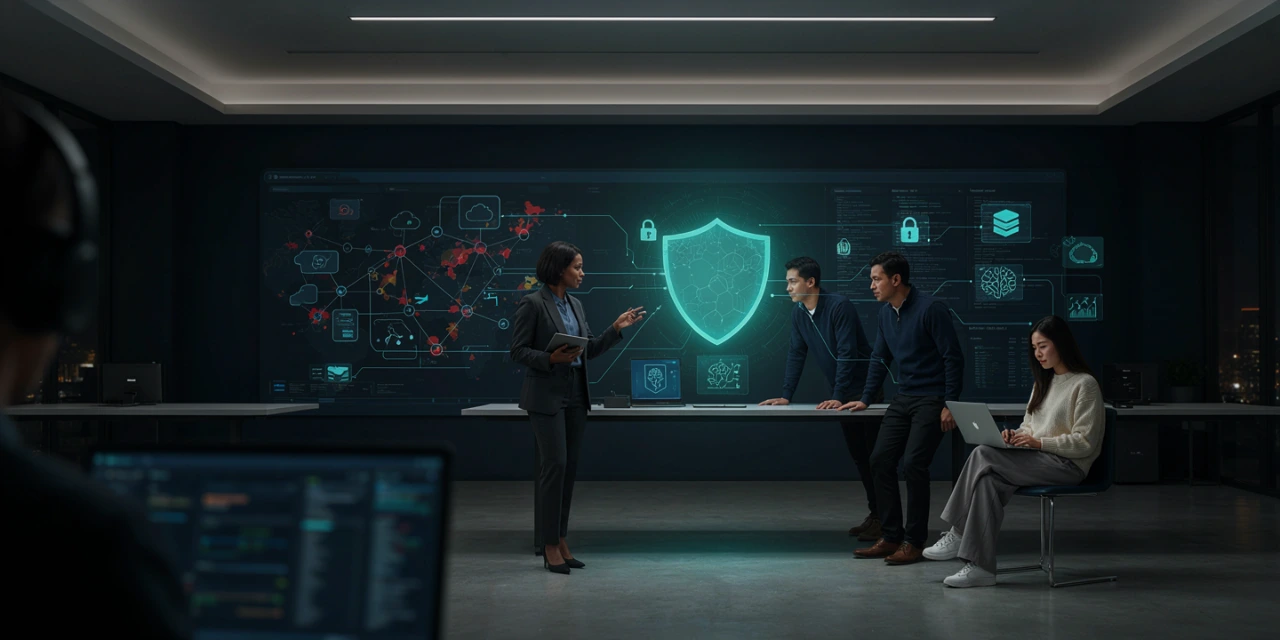
Cybersecurity has become a core business priority as organizations continue to adopt cloud platforms, artificial intelligence, connected devices, and digital services. At the same time, cybercriminals are becoming more sophisticated, making it harder for businesses to rely on traditional security practices.
As digital transformation accelerates, organizations need to think about security before problems occur rather than responding only after an incident. Strong identity controls, employee awareness, secure infrastructure, and continuous monitoring can significantly improve an organization’s ability to manage modern cyber risks.
Why Cybersecurity Matters More in 2026
Businesses now depend on technology for almost every part of their operations. Customer information, financial systems, internal communications, applications, and business data can all be connected through digital infrastructure.
Consequently, a successful cyberattack can affect much more than an individual system. It can interrupt operations, expose sensitive information, damage customer confidence, and create significant financial pressure.
Moreover, the increasing use of artificial intelligence is changing the cybersecurity landscape. Businesses are using AI to improve productivity and automate processes, while attackers can also use advanced technologies to create more convincing scams and identify potential vulnerabilities.
Understanding the Changing Cyber Threat Landscape
Cyber threats are no longer limited to obvious malware or suspicious email attachments. Attackers increasingly rely on credential theft, social engineering, ransomware, malicious websites, and compromised accounts.
For example, a convincing message can encourage an employee to enter login information into a fraudulent website. Once attackers obtain those credentials, they may attempt to access business applications or move deeper into an organization’s environment.
Therefore, organizations need security strategies that protect both technology and people. Following relevant IT industry news can also help technology leaders understand emerging attack patterns and adjust their security practices accordingly.
Strengthening Identity and Access Security
Identity security should be one of the most important elements of a modern cybersecurity strategy. Businesses can reduce unnecessary risk by ensuring that employees receive access only to the systems and information they actually need.
Multi factor authentication provides another important layer of protection. Even if a password is compromised, an additional authentication requirement can make unauthorized access significantly more difficult.
Additionally, organizations should regularly review accounts and remove access that is no longer required. This becomes particularly important when employees change roles or leave the organization.
Building a Security Aware Workforce
Technology alone cannot prevent every cyber incident. Employees interact with emails, websites, applications, customers, and business systems every day, which makes security awareness an important part of organizational resilience.
Businesses should therefore provide regular cybersecurity education that reflects real workplace situations. Employees need to understand how phishing attempts, suspicious links, social engineering, and unusual login requests can appear.
Furthermore, HR teams can support stronger security practices by incorporating cybersecurity awareness into employee onboarding and ongoing training. This connection between cybersecurity and HR trends and insights is becoming increasingly relevant as workforces become more distributed and digitally connected.
Protecting Cloud and Digital Infrastructure
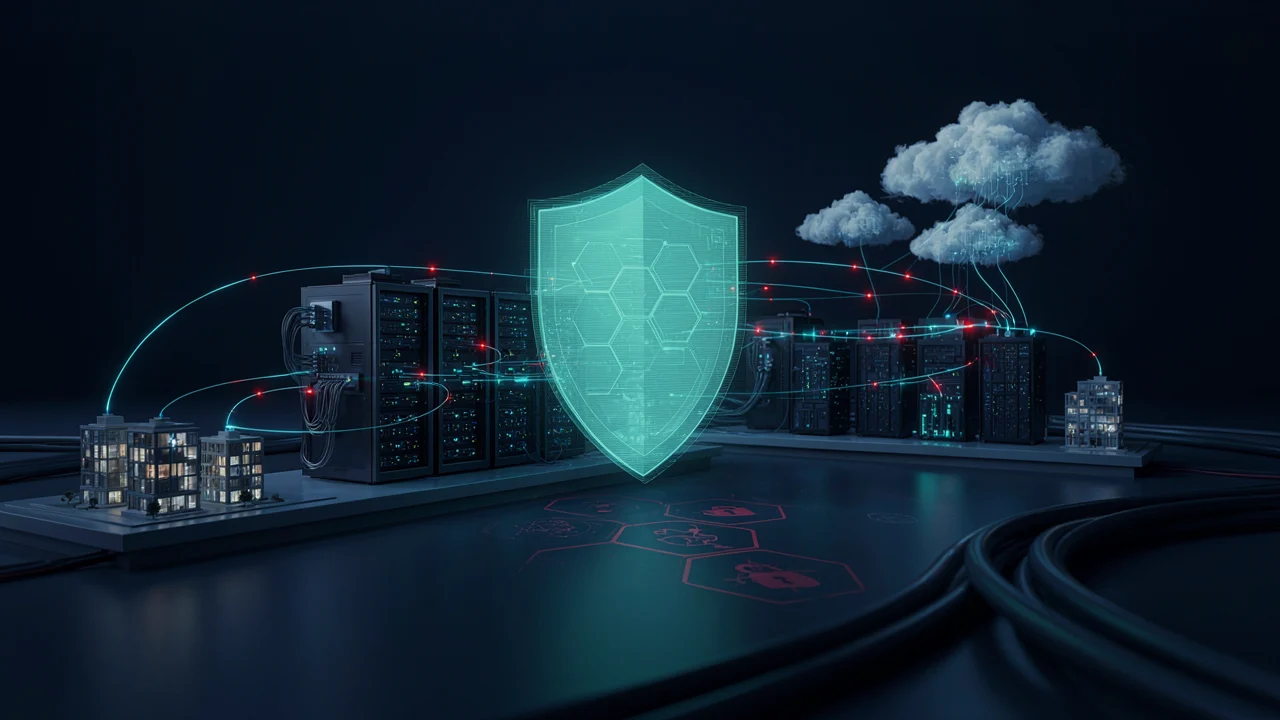
Cloud computing has transformed the way organizations store data and deliver applications. However, moving systems to the cloud does not automatically make them secure.
Businesses should carefully manage permissions, configurations, encryption, application security, and monitoring. Regular security reviews can help identify weaknesses before attackers discover them.
Meanwhile, organizations adopting new technologies should consider security during the design stage. This approach supports safer digital transformation because security becomes part of innovation rather than an afterthought.
Preparing for Ransomware and Data Loss
Ransomware remains a serious concern because it can disrupt business operations and make important information inaccessible. Although no organization can eliminate every risk, reliable backups can improve recovery capabilities.
Businesses should maintain secure backups and regularly test whether critical information can actually be restored. Backups should also be protected from unauthorized access so that attackers cannot easily compromise them during an incident.
In addition, organizations should establish clear incident response procedures. Knowing who is responsible for communication, investigation, recovery, and decision making can reduce confusion during a security event.
Connecting Cybersecurity With Business Strategy
Cybersecurity should not operate separately from broader business planning. Security decisions can influence financial performance, customer relationships, product development, and operational continuity.
For example, finance teams need to understand potential costs associated with security incidents, while sales teams need to consider how customer trust can be affected by data exposure. Similarly, marketing teams must protect customer information collected through digital campaigns and online platforms.
Consequently, technology insights should be considered alongside finance industry updates, sales strategies and research, and marketing trends analysis when organizations evaluate their overall digital risk.
Using AI to Strengthen Cyber Defense
Artificial intelligence can create new security challenges, but it can also help organizations defend themselves. Security teams can use intelligent systems to analyze large volumes of activity, identify unusual patterns, and prioritize potential threats.
However, businesses should avoid treating AI as a complete replacement for security professionals. Human oversight remains important because automated systems can produce inaccurate results or miss context that experienced security teams can recognize.
Moreover, organizations should establish clear policies for how employees use AI tools. Sensitive company information should not be entered into unapproved systems, particularly when businesses are experimenting with generative AI applications.
Practical Cybersecurity Insights for 2026
The strongest cybersecurity strategy is one that continuously evolves. Businesses should regularly review their identity controls, employee training, cloud configurations, backup systems, software security, and incident response capabilities.
Rather than waiting for a major incident, organizations can use security assessments and controlled testing to identify weaknesses early. Additionally, monitoring technology developments can help businesses understand how new tools may introduce both opportunities and risks.
As digital transformation continues, businesses that treat security as a fundamental part of technology strategy will be better positioned to innovate confidently. Preventing cyberattacks requires more than purchasing security software. It requires responsible technology management, informed employees, strong processes, and continuous improvement.
Future Outlook for Business Cybersecurity
Cybersecurity will remain closely connected with the evolution of artificial intelligence, cloud computing, automation, and connected technologies. As businesses become more digital, protecting identities, data, applications, and infrastructure will become increasingly important.
Organizations that build security into innovation from the beginning can respond more effectively to changing threats while maintaining customer trust and operational resilience.
For more expert perspectives on cybersecurity, artificial intelligence, digital transformation, and emerging technology, explore iTechInfoPro.com.