Modern enterprises operate across complex cloud environments, distributed applications, and connected digital services that generate enormous amounts of operational data every second. As organizations continue accelerating digital transformation, maintaining performance and reliability has become more challenging than ever. Consequently, businesses are investing in intelligent platforms that provide deeper visibility while reducing manual intervention.
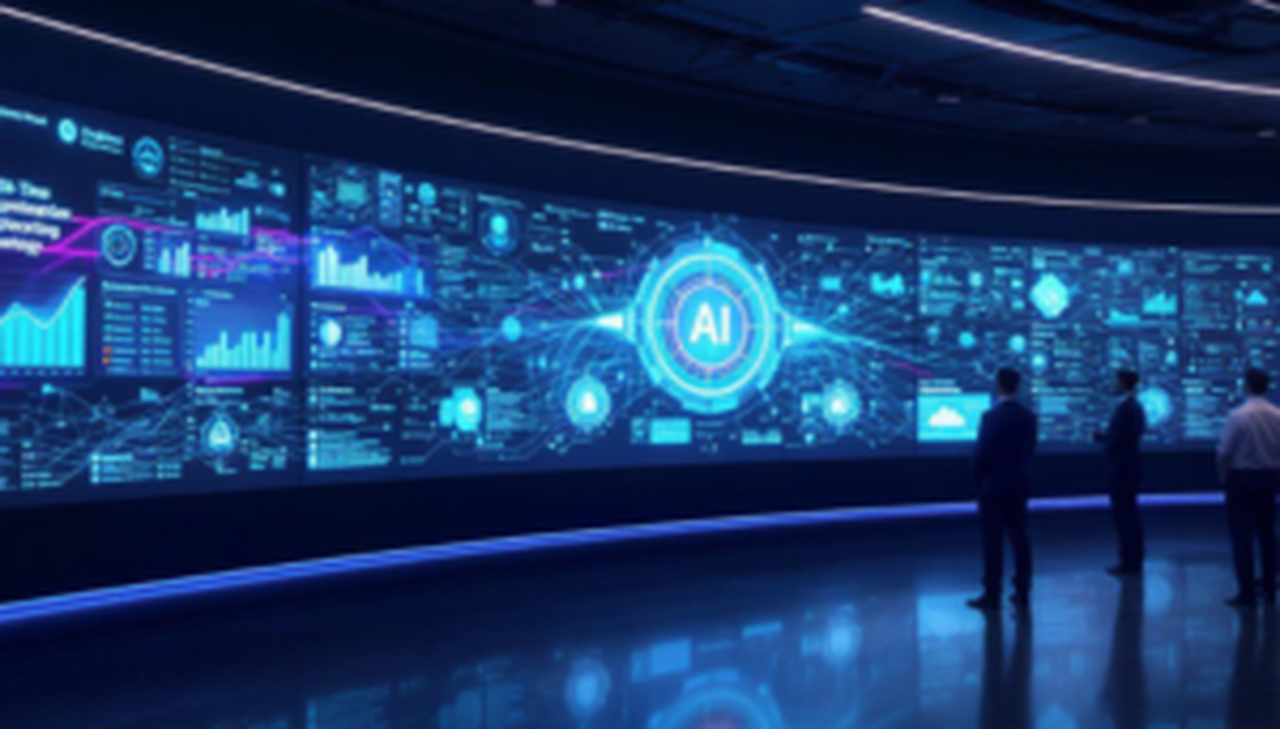
Observability Meets Autonomous Self Monitoring Systems represents an important shift in how organizations manage technology infrastructure. Rather than waiting for failures to occur, intelligent platforms continuously evaluate system behavior, identify anomalies, and respond automatically whenever possible. As a result, technology teams gain greater confidence while delivering reliable digital experiences to customers and employees.
Why observability is becoming essential
Traditional monitoring tools were designed to alert administrators when predefined thresholds were exceeded. However, modern applications are significantly more dynamic and interconnected, making simple alerts insufficient for today’s digital environments. Therefore, observability has emerged as a more comprehensive approach to understanding application performance and infrastructure health.
Observability combines metrics, logs, traces, and real time telemetry to provide complete operational visibility. Meanwhile, advanced analytics help engineers understand not only what happened but also why an issue occurred. This deeper understanding reduces troubleshooting time and improves overall system resilience.
Organizations adopting Observability Meets Autonomous Self Monitoring Systems are finding that complete visibility allows technology teams to identify hidden performance issues before they affect business operations.
Autonomous systems are changing IT management
Automation has become a defining characteristic of modern IT operations. However, autonomous systems extend beyond basic automation by learning from historical data, recognizing operational patterns, and making intelligent decisions with minimal human involvement.
Artificial intelligence enables these systems to evaluate infrastructure health continuously while predicting potential failures before they impact users. Consequently, routine maintenance tasks such as workload balancing, resource optimization, and service recovery can happen automatically.
Moreover, autonomous capabilities free IT professionals from repetitive operational responsibilities, allowing them to focus on innovation, cybersecurity, and strategic technology planning.
Artificial intelligence strengthens operational intelligence
Artificial intelligence plays a central role in transforming observability into actionable intelligence. Instead of overwhelming engineers with thousands of alerts, intelligent platforms analyze relationships between events and identify the issues that truly require attention.
Additionally, machine learning models improve continuously as they process larger volumes of operational data. This enables more accurate anomaly detection, stronger predictive maintenance, and faster incident resolution.
As Observability Meets Autonomous Self Monitoring Systems continues gaining momentum, organizations are discovering that AI driven insights improve both operational efficiency and business continuity.
Supporting digital transformation across industries
Every industry depends on reliable digital infrastructure to deliver services, support employees, and engage customers. Therefore, observability and autonomous operations have become valuable across healthcare, finance, manufacturing, retail, education, and government organizations.
Finance leaders benefit from improved resource optimization that supports better budgeting and aligns with ongoing Finance industry updates. Marketing teams depend on stable digital platforms that strengthen customer engagement while supporting Marketing trends analysis. Sales professionals experience more reliable systems that contribute to stronger Sales strategies and research through uninterrupted customer interactions.
Similarly, human resource departments benefit from automation that reduces repetitive technical workloads, allowing employees to concentrate on innovation and professional development. These improvements align with evolving HR trends and insights focused on productivity and workforce satisfaction.
Technology leaders also rely on operational data to generate meaningful Technology insights that support long term digital transformation strategies.
Building resilient technology ecosystems
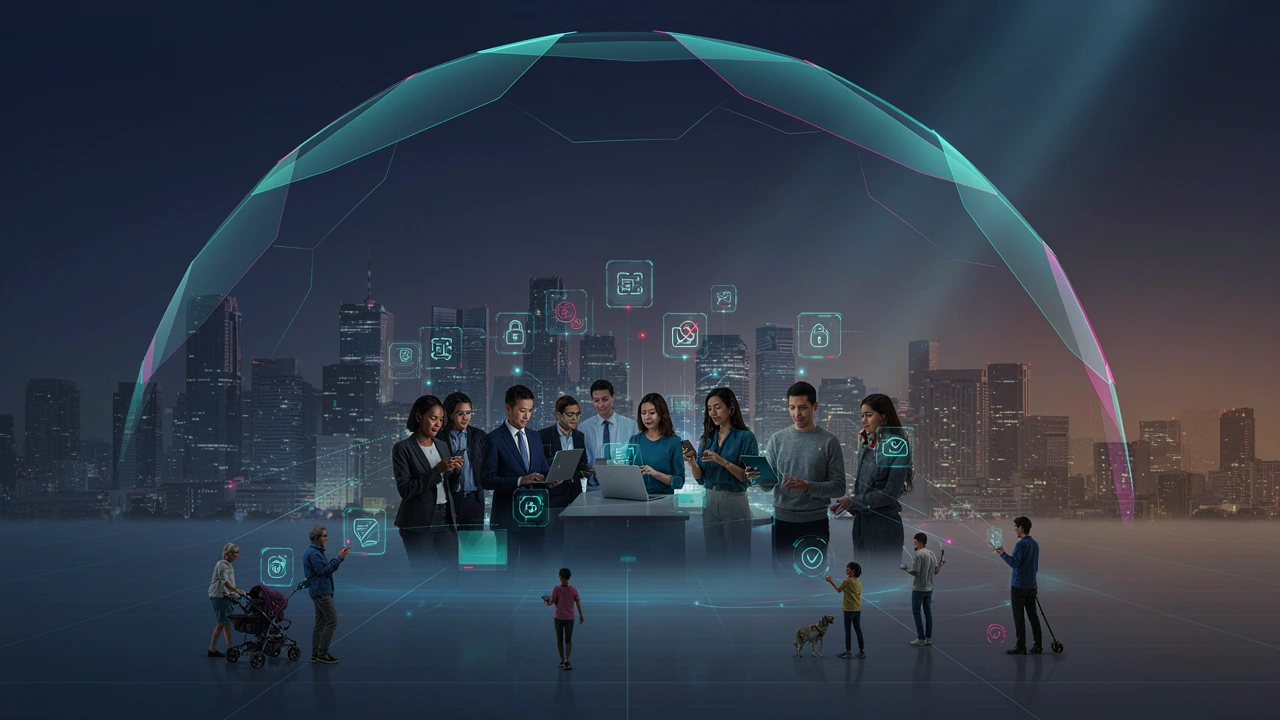
Reliable digital services require continuous adaptation to changing workloads, customer expectations, and emerging cybersecurity challenges. Consequently, observability platforms now extend beyond infrastructure monitoring to include application performance, cloud services, user experience, and security intelligence.
In contrast to reactive operations, autonomous systems detect unusual activity immediately and initiate corrective actions whenever appropriate. This approach minimizes downtime while maintaining consistent service quality across increasingly complex environments.
Furthermore, organizations that combine observability with intelligent automation are better prepared to manage rapid technological change while remaining competitive in evolving markets. Regular IT industry news continues to highlight how these capabilities are becoming foundational elements of enterprise technology strategies.
The future of intelligent operations
The next generation of enterprise technology will depend heavily on platforms capable of understanding, predicting, and optimizing system behavior without constant human oversight. Edge computing, artificial intelligence, cloud native architectures, and connected devices will continue generating unprecedented amounts of operational information. Therefore, intelligent observability will become even more valuable.
Businesses embracing Observability Meets Autonomous Self Monitoring Systems today are positioning themselves for greater resilience, improved customer experiences, and more efficient technology operations tomorrow. As innovation accelerates, organizations that invest in intelligent operational visibility will be better equipped to adapt to changing business demands while maintaining reliable digital services.
Practical insights for technology leaders
Successful adoption begins with establishing complete visibility across applications, infrastructure, cloud environments, and user interactions. Moreover, organizations should integrate artificial intelligence gradually while maintaining strong governance and operational oversight. Continuous performance evaluation, employee training, and regular technology assessments ensure that autonomous capabilities deliver measurable business value over time.
Technology is evolving rapidly, yet organizations that combine intelligent observability with responsible automation will be better prepared to innovate confidently, strengthen operational resilience, and create sustainable digital growth in the years ahead.
Discover more expert Technology insights, innovation stories, and digital transformation coverage by exploring the latest content on iTechInfoPro.com.
Stay connected with iTechInfoPro to follow emerging trends, practical technology guidance, and expert perspectives shaping the future of the global IT ecosystem.