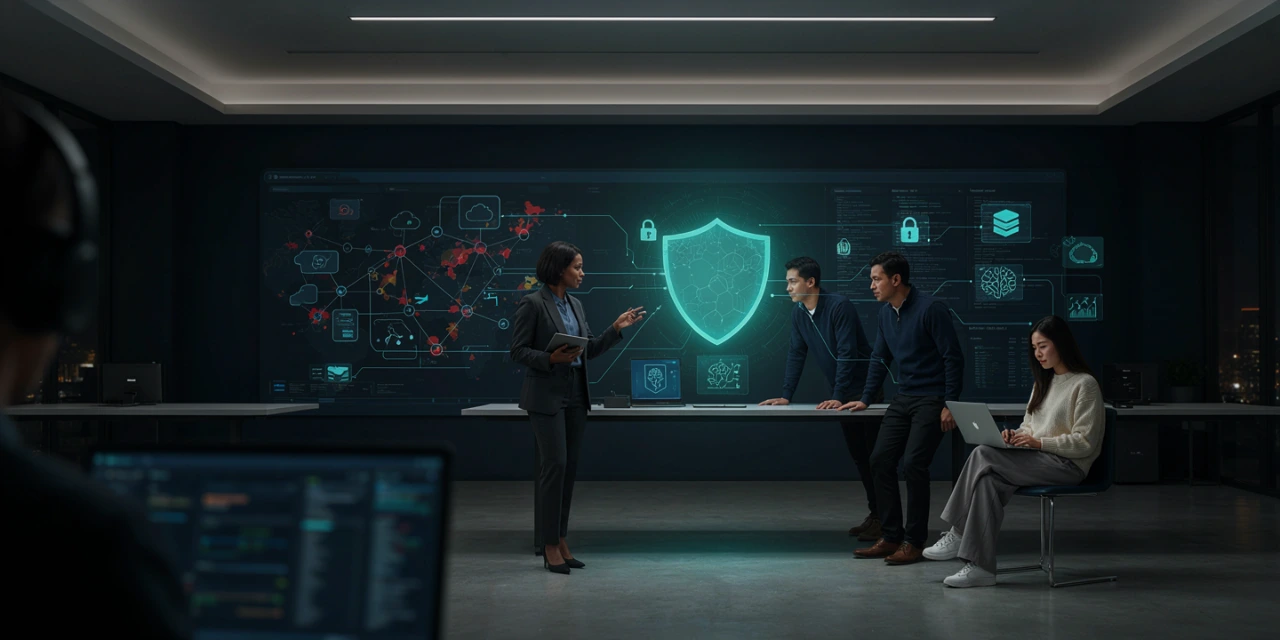
Constructive Ways to Handle Employee Negative Feedback has become an essential priority for organizations navigating rapid technological change and digital transformation. Every workplace receives criticism from employees at some point, but successful businesses recognize that thoughtful feedback often highlights opportunities for improvement rather than failure. When organizations respond with transparency and purpose, they create stronger teams while supporting innovation across the business.
Technology continues to reshape how companies gather and evaluate employee opinions. Digital feedback platforms, intelligent analytics, and collaboration tools make it easier to identify recurring concerns before they grow into larger organizational challenges. As a result, businesses gain valuable technology insights that strengthen workplace culture while improving operational performance.
Creating an environment where feedback is welcomed
Employees are more willing to express concerns when they believe leadership values honest communication. However, building that trust requires consistency and meaningful action rather than occasional conversations. Leaders who listen carefully and respond respectfully encourage greater participation across every department.
Additionally, organizations increasingly use digital communication platforms to collect continuous feedback instead of relying solely on annual reviews. These systems allow managers to understand employee sentiment in real time while identifying patterns that support informed decision making. Consequently, businesses respond faster and reduce the risk of unresolved workplace issues affecting productivity.
A culture built on open communication also encourages collaboration and innovation. Employees become active contributors to organizational improvement rather than passive participants in daily operations.
Technology strengthens the feedback process
Modern technology has transformed employee feedback from a manual process into a strategic business capability. Artificial intelligence powered analytics can evaluate thousands of responses, recognize recurring themes, and identify emerging workplace concerns with impressive speed and accuracy.
Moreover, cloud based collaboration platforms connect employees across locations, making communication easier regardless of where teams work. These digital solutions generate technology insights that help leaders understand workforce expectations while improving decision making through reliable data.
Meanwhile, automation reduces administrative effort by organizing feedback, tracking responses, and monitoring progress over time. This allows managers to focus more on solving problems and supporting employees instead of processing information manually.
Using data to support meaningful workplace decisions
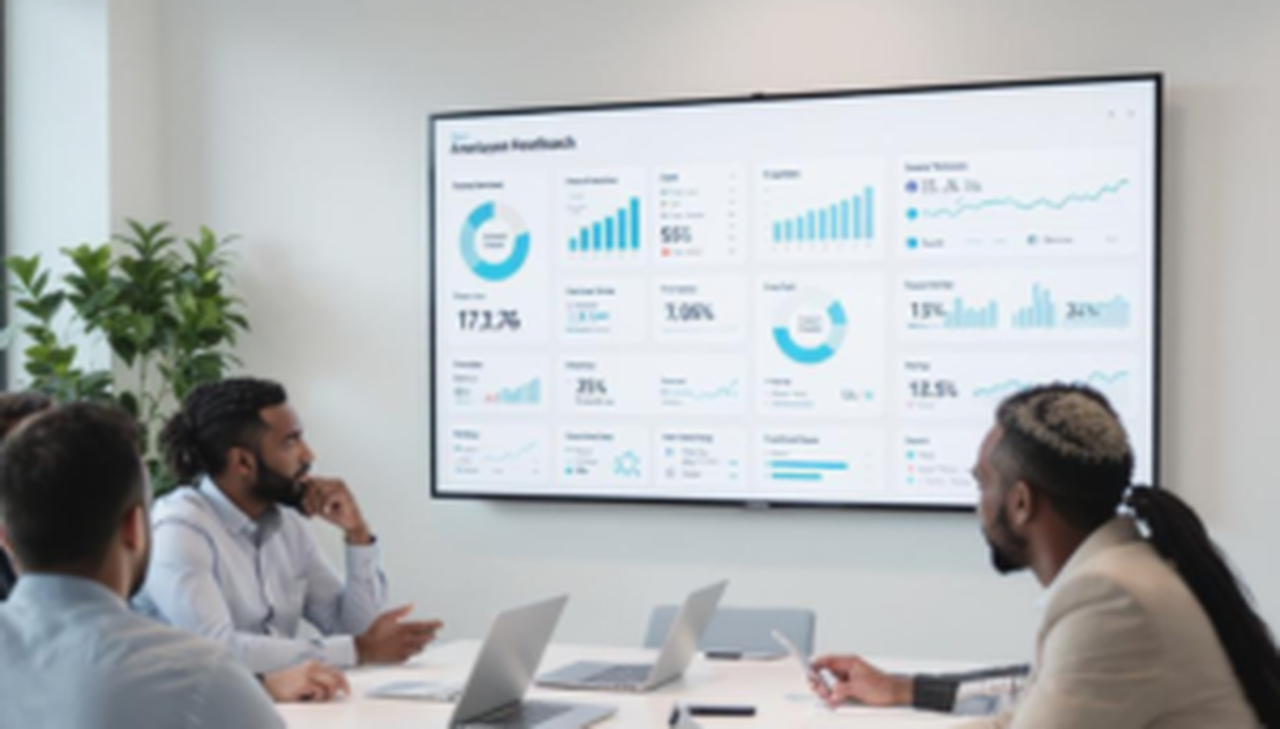
Constructive Ways to Handle Employee Negative Feedback becomes more effective when supported by accurate data and measurable outcomes. Organizations that analyze employee sentiment alongside performance indicators gain a clearer understanding of how workplace experiences influence productivity and innovation.
Similarly, HR trends and insights reveal changing workforce expectations as organizations continue adapting to hybrid work, automation, and digital transformation. Businesses that monitor these developments remain better prepared to address employee concerns before they affect engagement or retention.
Marketing trends analysis also offers valuable perspectives because customer expectations often mirror employee expectations regarding communication, transparency, and digital experiences. Consequently, organizations benefit from a broader understanding of how workplace improvements contribute to overall business success.
Learning from other industries
Many organizations improve their feedback strategies by observing practices beyond the technology sector. Finance industry updates frequently highlight how financial institutions use analytics and compliance tools to strengthen communication and organizational accountability. These examples demonstrate how structured feedback processes improve both performance and trust.
Likewise, sales strategies and research emphasize continuous coaching and regular performance conversations instead of relying only on formal evaluations. This ongoing approach encourages employees to share ideas and challenges more comfortably, leading to stronger collaboration and better business outcomes.
IT industry news also showcases organizations adopting intelligent workplace platforms that combine employee feedback, operational metrics, and predictive analytics into a single decision support system. These innovations continue shaping the future of workforce management across industries.
Turning criticism into innovation
Negative feedback often contains valuable ideas hidden beneath frustration or disappointment. Therefore, organizations should view constructive criticism as an opportunity to improve products, services, processes, and workplace culture. Employees working closest to daily operations frequently identify issues long before they become visible through traditional reporting methods.
Additionally, collaborative digital platforms allow teams to discuss concerns openly while proposing practical solutions. This creates a culture where innovation grows through shared responsibility rather than top down decision making alone.
As organizations continue investing in artificial intelligence and advanced analytics, employee feedback will become an even more valuable source of strategic planning. Companies that combine human perspectives with technology driven analysis will respond more effectively to changing business conditions while strengthening employee engagement.
Looking ahead in a digital workplace
Constructive Ways to Handle Employee Negative Feedback will remain an important part of organizational success as digital transformation accelerates across every industry. Businesses that combine technology insights with employee perspectives will create stronger workplace cultures while improving innovation, productivity, and long term resilience.
The growing influence of IT industry news, HR trends and insights, finance industry updates, sales strategies and research, and marketing trends analysis demonstrates that employee feedback is becoming a strategic business asset rather than a routine management activity. Organizations that embrace continuous learning and digital innovation will be better positioned to succeed in the evolving IT ecosystem.
Explore more expert technology insights and digital transformation stories on iTechInfoPro.com.
Stay informed with practical analysis and emerging trends that help businesses thrive in a rapidly evolving technology landscape.