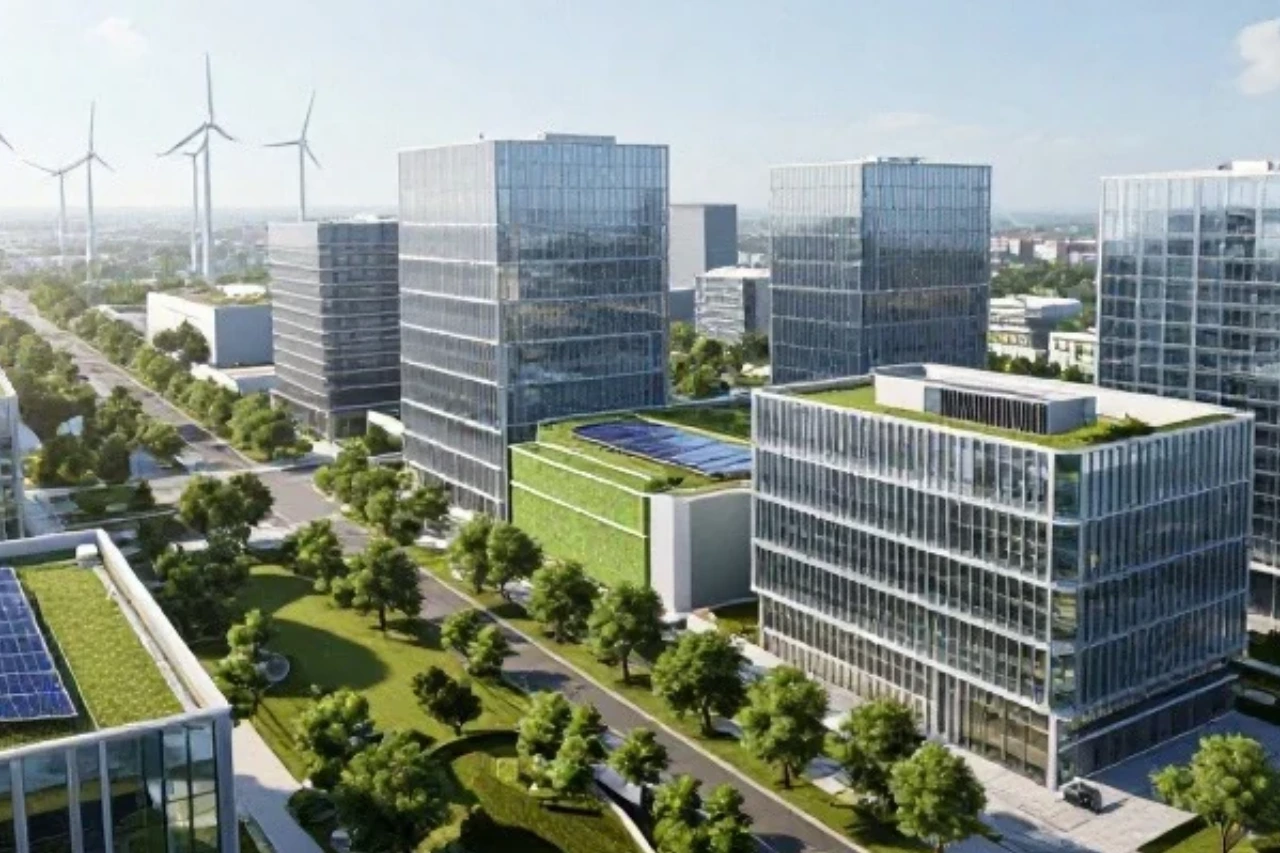
Sustainability is becoming an important consideration in how businesses invest in technology, manage operations, and plan for long term growth. As organizations face rising energy costs, environmental concerns, and increasing regulatory expectations, sustainable technology is emerging as a strategic business priority rather than simply an environmental initiative.
From energy efficient data centers to cloud computing and artificial intelligence, technological innovation is helping companies reduce their environmental impact while improving operational performance. Moreover, businesses are recognizing that sustainable technology can support digital transformation, strengthen competitiveness, and create new opportunities for innovation.
Why Sustainable Technology Matters to Modern Businesses
Businesses increasingly depend on digital infrastructure to support everyday operations. However, data centers, enterprise software, connected devices, and computing networks consume significant amounts of energy.
Sustainable technology focuses on reducing this environmental footprint through efficient hardware, renewable energy, smarter resource management, and responsible IT practices.
Organizations are also recognizing the financial benefits of improving technology efficiency. Reducing electricity consumption, extending equipment lifecycles, and optimizing computing resources can lower operational expenses. Consequently, sustainability initiatives are becoming closely connected to business performance and long term investment strategies.
Data centers are essential to modern digital services, supporting cloud platforms, enterprise applications, AI systems, and online transactions. However, their growing energy requirements have increased interest in more sustainable infrastructure.
Technology providers are investing in advanced cooling systems, energy efficient servers, renewable electricity, and intelligent infrastructure management to improve data center efficiency.
Liquid cooling is another important development, particularly as AI workloads increase computing demands. By managing heat more effectively, advanced cooling technologies can help data centers support high performance computing while improving energy efficiency.
Additionally, businesses are exploring cloud infrastructure that allows computing resources to scale according to demand. This can reduce unnecessary hardware usage and improve resource utilization.
How Artificial Intelligence Supports Sustainable Technology
Artificial intelligence is creating new opportunities to improve environmental performance across industries. AI powered systems can analyze energy consumption, identify inefficiencies, and recommend operational improvements.
For example, intelligent building management systems can automatically adjust lighting, heating, and cooling based on occupancy and environmental conditions. Similarly, predictive maintenance tools can identify equipment problems before they cause costly failures or unnecessary resource consumption.
However, AI itself requires substantial computing resources. Therefore, businesses must also consider the energy requirements of training and operating AI models.
Smaller AI models, efficient processors, and optimized cloud infrastructure can help organizations balance technological innovation with environmental responsibility.
Sustainable Technology and Enterprise Cost Optimization
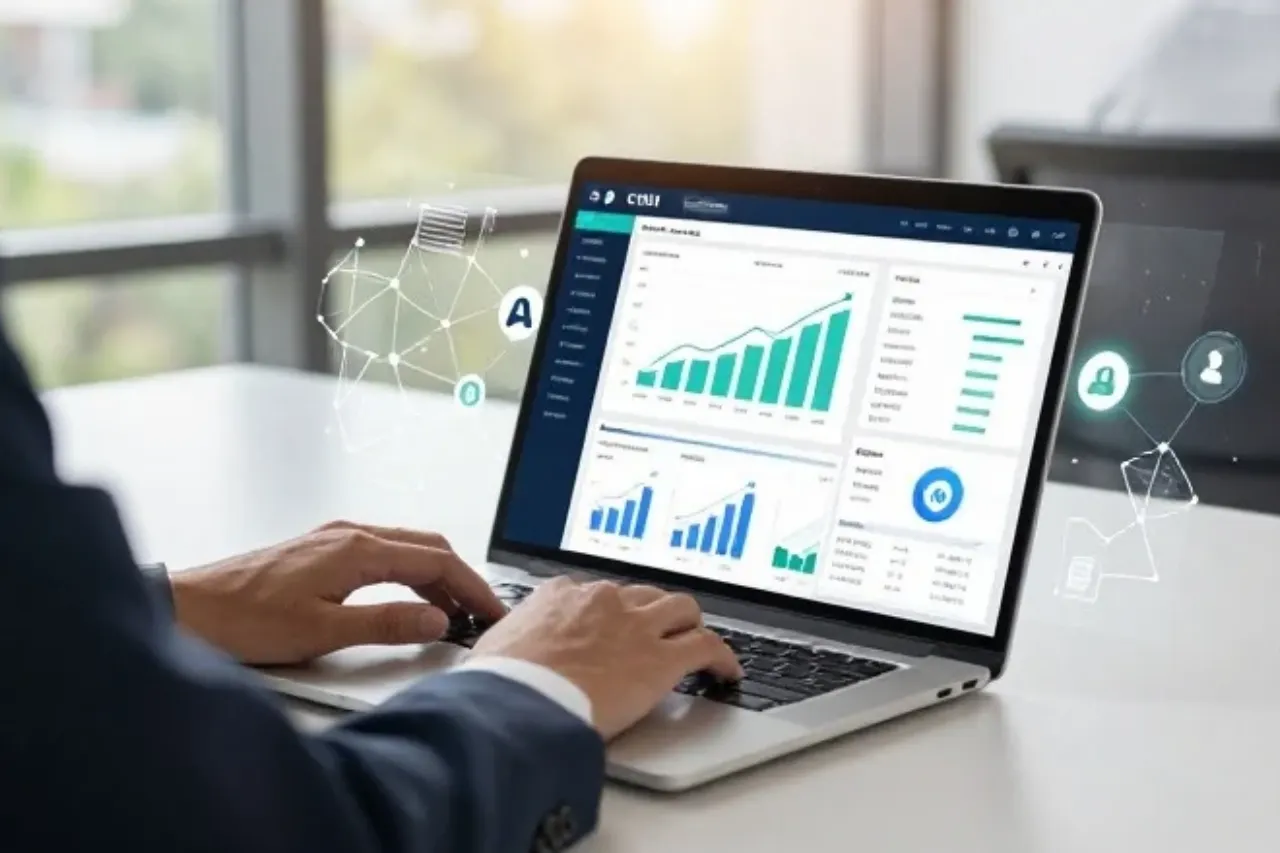
Sustainability initiatives are increasingly influencing financial planning and technology investment decisions. Businesses are evaluating how energy efficient infrastructure, automation, and modern enterprise systems can reduce long term operating costs.
For finance teams, sustainability related investments are becoming an important part of evaluating business resilience and resource allocation. These developments are also reflected in finance industry updates, where environmental performance and responsible investment increasingly influence corporate decision making.
Meanwhile, HR trends and insights highlight the importance of digital skills, environmental awareness, and employee engagement in supporting organizational sustainability goals.
Similarly, sales strategies and research are increasingly considering how sustainable products and responsible business practices influence customer preferences. Marketing trends analysis also shows why companies are paying greater attention to communicating measurable sustainability progress rather than relying on broad environmental claims.
The Growing Importance of Sustainable IT Practices
Sustainable technology extends beyond infrastructure investment. Businesses must also consider how they purchase, operate, maintain, and dispose of electronic equipment.
Responsible IT asset management can reduce electronic waste by extending device lifecycles, repairing hardware, and supporting recycling programs. Organizations can also adopt virtualization and efficient software development practices to reduce unnecessary computing requirements.
Moreover, remote collaboration platforms and digital workflows can reduce certain business travel and paper based processes.
These improvements demonstrate how technology insights can support practical sustainability decisions across departments rather than limiting responsibility to IT teams.
Challenges Businesses Face When Adopting Sustainable Technology
Despite its advantages, adopting sustainable technology requires careful planning. Initial investment costs, legacy infrastructure, limited technical expertise, and difficulties measuring environmental performance can slow implementation.
Some organizations also struggle to determine whether new technology genuinely reduces environmental impact across its lifecycle.
Therefore, businesses should establish measurable sustainability objectives and evaluate technology investments based on energy consumption, operational efficiency, equipment lifespan, and total cost of ownership.
Reliable reporting is equally important. Companies need transparent data to demonstrate progress, identify improvement opportunities, and avoid misleading environmental claims.
The Future of Sustainable Technology in the IT Industry
Sustainable technology will become increasingly important as businesses expand their use of AI, cloud computing, automation, and connected infrastructure.
Emerging developments such as carbon aware computing, renewable powered data centers, energy efficient semiconductor designs, and circular electronics could reshape how organizations build and manage their technology environments.
Furthermore, sustainability is likely to become more closely integrated with enterprise digital transformation strategies. Businesses that consider environmental performance during technology planning can improve resource efficiency while preparing for changing market expectations.
Ultimately, sustainable technology is becoming a business priority because it connects environmental responsibility with innovation, operational resilience, and financial performance. Organizations that invest in efficient infrastructure and responsible digital practices will be better positioned to compete in an increasingly sustainability conscious economy.
Explore the latest technology insights and IT industry news at iTechInfoPro.com.