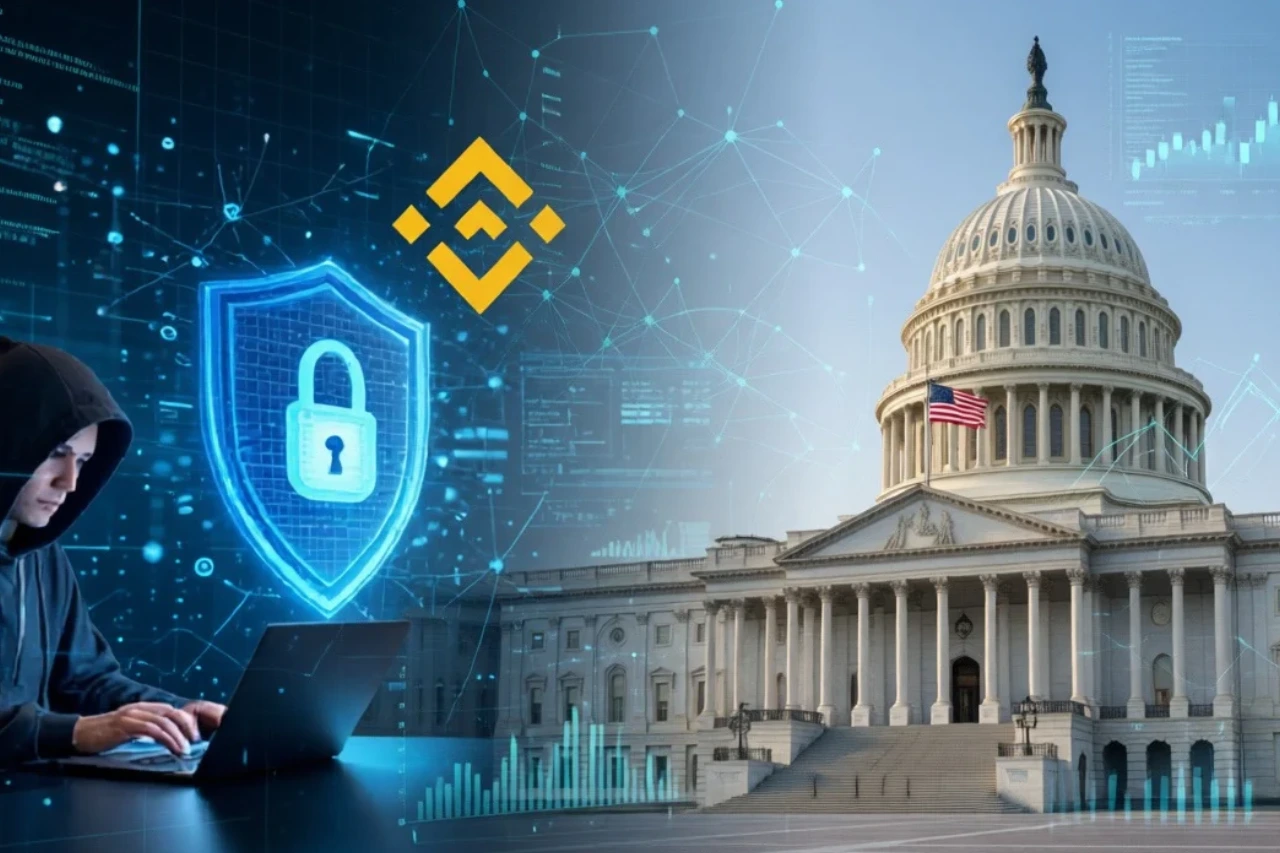
The recent Binance hack has drawn attention beyond the cryptocurrency industry, prompting US financial regulators to check whether traditional banking systems have experienced unusual activity or service disruptions. According to sources cited in recent reporting, supervisors from the Federal Reserve and the Office of the Comptroller of the Currency contacted banks following the incident to understand whether their systems had been affected.
The development highlights how closely connected the modern financial ecosystem has become. Cryptocurrency platforms, traditional banks, payment networks and digital financial services increasingly operate within an interconnected technology environment. Consequently, a serious security incident involving one major platform can raise questions about risks across the wider financial sector.
For technology professionals, the Binance hack is another reminder that digital transformation must go hand in hand with stronger cyber security planning.
Why US Regulators Are Checking Banking Systems
Following the reported incident, US banking supervisors contacted financial institutions to ask about unusual transactions and possible service interruptions. The objective was to understand whether the attack had created wider operational concerns or exposed vulnerabilities that could affect banking services.
According to the reporting, at least one contacted bank indicated that it had not experienced disruptions and had received few customer inquiries. However, financial institutions are reviewing the incident and testing their security defenses to identify potential weaknesses.
It is important to distinguish these precautionary checks from evidence of a wider banking breach. There is currently no confirmed indication that US bank systems were compromised through the Binance incident.
Nevertheless, regulators have good reason to monitor developments closely. Financial institutions manage sensitive customer information, payment infrastructure and high value transactions. Even a limited security weakness can create significant operational and reputational consequences.
Understanding the Technology Behind the Binance Hack
Binance reported that its October 29 security incident affected approximately $6.34 billion in digital assets. Its initial investigation described a sophisticated attack involving unauthorized access to an internal wallet signing service.
The exchange explained that attackers used several techniques, including social engineering, compromised employee devices, malicious software and unauthorized access to internal systems. The incident also involved Ethereum’s EIP 7702 authorization mechanism, which allows certain execution permissions to be delegated to smart contracts.
Binance said approximately $2.85 billion in assets had been frozen or intercepted as of its November 3 update. It also stated that it had reserved sufficient funds to cover the affected assets and was strengthening its security infrastructure.
The Binance hack demonstrates that cyber threats do not always rely on directly stealing passwords or private keys. Attackers may instead target employee devices, software development environments, access credentials and internal authorization processes. Therefore, organizations need security controls that protect the entire technology environment rather than focusing on a single system.
Why Traditional Banks Must Strengthen Cyber Security
Although cryptocurrency exchanges and traditional banks operate under different business models, both depend on secure digital infrastructure. They use complex software environments, cloud services, third party providers, employee access systems and automated transaction processes.
This creates shared areas of risk. A compromised supplier, stolen credential or vulnerable development tool could potentially provide attackers with access to sensitive corporate systems.
Moreover, financial institutions are increasingly adopting artificial intelligence, automation and cloud based platforms to improve efficiency. These technologies create opportunities for innovation, but they also introduce new security considerations.
The latest IT industry news reinforces the importance of continuous monitoring, strong identity verification and regular security testing. Banks must understand how their systems communicate with external platforms and whether their third party relationships introduce additional exposure.
Artificial Intelligence Is Changing the Cyber Security Challenge
Artificial intelligence is becoming an important part of financial technology, helping organizations identify suspicious transactions, analyze system behavior and detect unusual access patterns. However, attackers are also using increasingly sophisticated techniques to target organizations.
The reported Binance incident highlights concerns about compromised development tools and internal AI environments. When employees use software tools without adequate verification, malicious components can enter otherwise trusted workflows.
Consequently, businesses need to combine AI powered detection with human oversight, secure software development practices and strict access management. Technology insights from incidents like this can help organizations understand why security must be integrated into every stage of digital transformation.
Additionally, HR trends and insights are relevant because employee awareness plays an important role in preventing social engineering attacks. Regular training can help workers recognize fraudulent recruitment approaches, suspicious downloads and unexpected requests for access.
Financial Technology Requires Stronger Industry Coordination
The incident also has implications for broader Finance industry updates. As digital assets become more connected with traditional financial services, regulators and institutions need better ways to share information about emerging threats.
Effective coordination can help financial organizations identify suspicious activity earlier, understand new attack methods and improve incident response procedures. Meanwhile, organizations should regularly review third party access, transaction approval processes and recovery plans.
These developments can also influence Sales strategies and research as financial technology providers compete on reliability and customer trust. Similarly, Marketing trends analysis increasingly needs to account for security and transparency because customers are more likely to trust financial services that demonstrate responsible data protection.
The Future of Financial System Security
The Binance hack has placed renewed attention on the relationship between cryptocurrency security and traditional banking infrastructure. Although regulatory checks do not establish that banks were affected, they demonstrate the importance of monitoring potential risks across an interconnected financial ecosystem.
Going forward, financial institutions will need to invest in stronger identity controls, continuous threat detection, secure software supply chains and tested recovery procedures. They must also evaluate how artificial intelligence and external technology providers affect their security exposure.
For businesses, the practical lesson is clear. Cyber security should be treated as an essential part of technology investment and operational planning, not simply as a response to incidents after they occur. Organizations that build security into their digital infrastructure will be better prepared to protect customers and maintain trust as financial technology evolves.
Explore more expert Technology insights, cyber security developments and IT industry news with iTechInfoPro.com.
Source : reuters.com