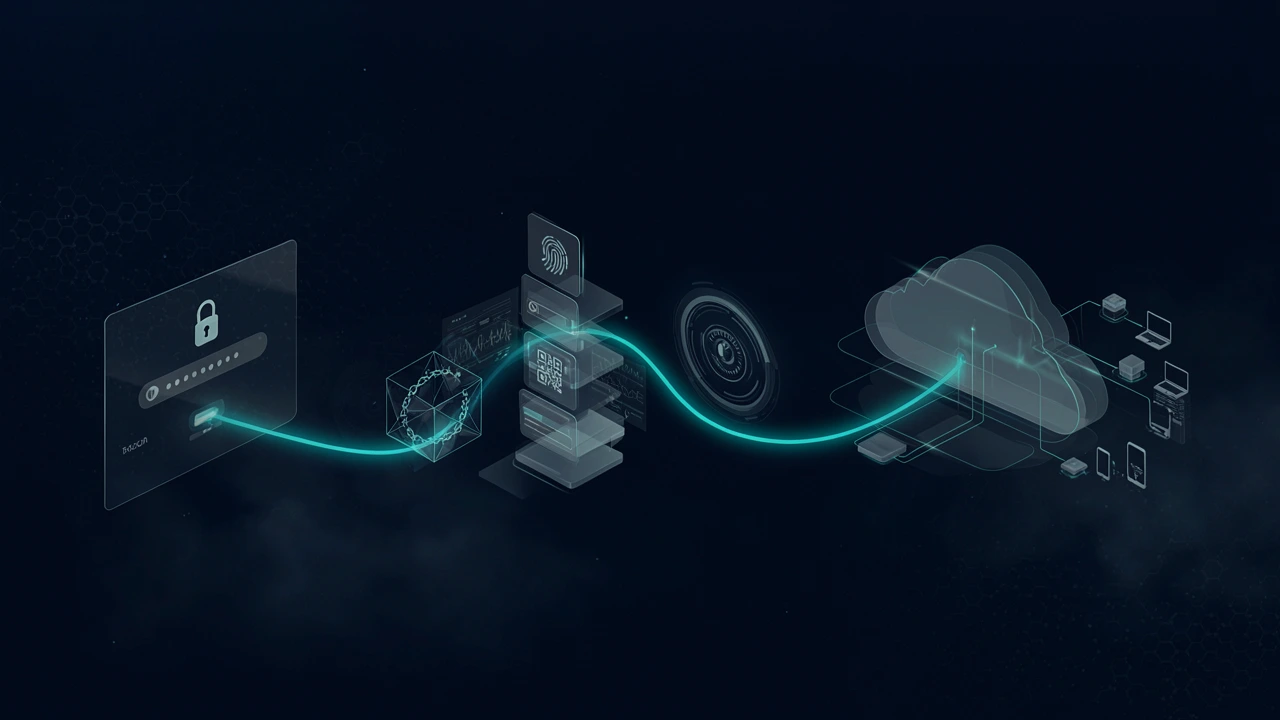
Cybersecurity is becoming a shared responsibility as research institutions, universities, technology organizations, and national networks become increasingly connected. Research networks manage valuable scientific information, sensitive datasets, intellectual property, and advanced digital infrastructure. This makes them attractive targets for cybercriminals and state backed threat actors.
Across the region, Asia Pacific research networks are increasingly working together to strengthen cyber resilience and improve their ability to identify, withstand, and recover from cyber incidents. The growing cooperation reflects a wider shift in the IT ecosystem where collaboration is becoming as important as individual security capabilities.
For technology leaders, this development offers important Technology insights into how connected organizations can build stronger digital defenses while supporting innovation.
Collaboration Becomes Central to Cyber Resilience
Modern cyber threats rarely remain within one organization or geographic boundary. A compromised account, vulnerable system, or malicious file can potentially affect interconnected research environments.
Therefore, cooperation allows research networks to share security intelligence and develop common approaches to emerging threats. Information about suspicious activity can help other organizations identify similar patterns before an incident becomes more serious.
Meanwhile, stronger communication between technical teams can accelerate incident response. Instead of investigating every threat independently, organizations can benefit from shared experience and collective expertise.
Secure Research Infrastructure Supports Innovation
Research increasingly depends on cloud platforms, high performance computing, connected laboratories, remote collaboration tools, and large scale data environments. These technologies have transformed scientific work, but they have also expanded the potential attack surface.
Consequently, cybersecurity needs to become part of digital transformation rather than an additional layer added after systems are deployed.
Research networks can strengthen resilience by combining identity management, network monitoring, endpoint protection, encryption, vulnerability management, and security awareness. This approach helps protect critical infrastructure while allowing researchers to continue working efficiently.
Threat Intelligence Can Improve Regional Defense
Threat intelligence is becoming increasingly valuable as cyberattacks become more sophisticated. Research organizations can gain a stronger understanding of emerging risks by exchanging information about malicious infrastructure, attack techniques, vulnerabilities, and suspicious behavior.
Similarly, shared intelligence can improve the speed at which security teams respond to incidents. A threat identified by one organization may provide an early warning for others operating within the same research ecosystem.
This cooperative model is particularly important for the Asia Pacific region because research networks connect organizations across different countries, regulatory environments, and technology infrastructures.
Digital Transformation Requires Stronger Security Foundations
Digital transformation continues to reshape education, science, healthcare, government, finance, and business. However, expanding digital connectivity without strengthening security can create significant operational risks.
IT industry news increasingly highlights the importance of cyber resilience as organizations adopt artificial intelligence, cloud computing, automation, and connected systems.
Moreover, security teams need to understand how new technologies change existing risks. Artificial intelligence can improve threat detection, for example, while also creating new challenges related to automated attacks, data protection, and model security.
Therefore, cyber resilience needs to evolve alongside technology adoption.
Cybersecurity Skills Are Becoming More Important
Technology alone cannot create resilient organizations. Skilled professionals are required to monitor systems, investigate threats, manage vulnerabilities, and respond effectively to incidents.
This creates a growing connection between cybersecurity and workforce development. HR trends and insights increasingly point toward the need for organizations to develop specialized digital skills as technology becomes more deeply embedded in everyday operations.
Research networks can benefit from training programs, knowledge sharing, technical workshops, and cross organization security exercises. These initiatives can strengthen practical capabilities while creating a stronger regional cybersecurity community.
Business Sectors Can Learn From Research Networks
The lessons emerging from research cybersecurity can extend beyond universities and scientific institutions. Businesses in finance, healthcare, manufacturing, telecommunications, and technology also depend on connected digital infrastructure.
Finance industry updates, for example, frequently demonstrate how financial organizations must protect sensitive customer information while maintaining reliable digital services. Similarly, sales strategies and research increasingly rely on customer and business data that must be protected throughout the digital journey.
Consequently, stronger cyber resilience practices can support organizations across multiple industries, particularly those operating complex digital ecosystems.
Cyber Resilience Can Strengthen Digital Trust
Trust is becoming an important part of digital transformation. Customers, researchers, employees, and business partners expect organizations to protect their information and maintain reliable services.
When organizations demonstrate strong cybersecurity practices, they can build greater confidence in their digital platforms. This also supports Marketing trends analysis because security and trust increasingly influence how people evaluate digital brands and services.
Furthermore, resilient systems can reduce disruption during cyber incidents. The ability to continue operating while containing and recovering from an attack can become a significant competitive advantage.
The Future of Regional Cyber Cooperation
Asia Pacific research networks are likely to deepen cooperation as digital connectivity continues to grow. Future initiatives may place greater emphasis on automated threat detection, artificial intelligence, secure data sharing, coordinated incident response, and workforce development.
The most effective approach will combine technology with collaboration. Organizations can invest in advanced security tools, but resilience becomes stronger when those tools are supported by shared intelligence, skilled professionals, clear response processes, and strong relationships between institutions.
The broader lesson for the IT ecosystem is clear. Cybersecurity cannot remain isolated within individual organizations when research, data, infrastructure, and innovation are increasingly interconnected.
Practical Insights for a More Resilient IT Ecosystem
The growing cooperation among Asia Pacific research networks demonstrates that cyber resilience is becoming a collective priority. Organizations should view security as an ongoing capability rather than a one time technology investment.
Strong partnerships can improve threat awareness, accelerate incident response, and strengthen knowledge across connected digital environments. At the same time, investments in skills, infrastructure, identity protection, and intelligent monitoring can help organizations prepare for increasingly complex threats.
As digital transformation accelerates, collaboration will remain one of the strongest foundations for building a secure and resilient technology ecosystem.
Explore more expert Technology insights and emerging IT developments on iTechInfoPro.com.
Stay informed about cybersecurity, digital transformation, and the technologies shaping the future.
Source : apnic.net