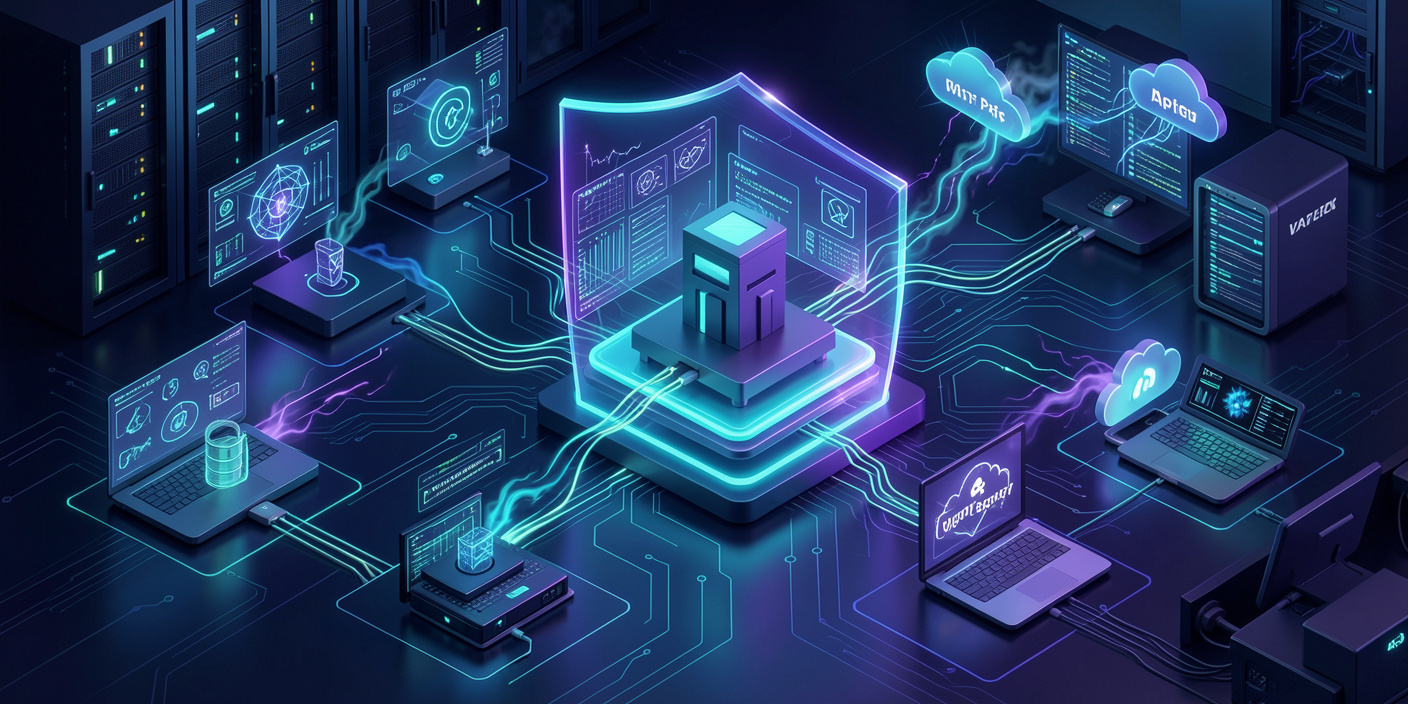
Modern businesses rarely operate in isolation. Cloud platforms, software providers, consultants, payment services, logistics partners, and technology vendors have become essential parts of everyday operations. This interconnected ecosystem supports digital transformation, but it also creates additional pathways for cybercriminals.
Third party cyber threats occur when attackers exploit weaknesses in a supplier, service provider, contractor, or technology partner to reach a target organization. A company may maintain strong internal security while still facing serious exposure through an external partner with weaker controls. Therefore, protecting the wider digital ecosystem has become just as important as securing internal infrastructure.
Recent technology insights increasingly highlight how interconnected systems are changing the cybersecurity landscape. As organizations adopt artificial intelligence, cloud computing, automation, and connected platforms, the number of external relationships requiring security oversight continues to grow.
Why Third Party Risks Are Increasing
Digital transformation has accelerated the dependence businesses place on external technology providers. Organizations now exchange data with vendors across finance, human resources, marketing, sales, operations, and customer service. Meanwhile, software integrations allow these systems to communicate continuously, sometimes with limited visibility from internal security teams.
This creates an important challenge. A compromised vendor account, outdated application, exposed API, or poorly protected cloud environment can potentially become an entry point into a larger corporate network. Consequently, organizations need to understand not only who their vendors are but also what systems and information those vendors can access.
IT industry news frequently reports incidents involving supply chains, software providers, and cloud services. These events demonstrate that cybersecurity is no longer restricted to protecting company owned infrastructure. Instead, organizations must manage risk across an increasingly connected technology environment.
Building Stronger Vendor Security
A practical defense strategy begins before a third party receives access to business systems. Organizations should evaluate the security capabilities of important vendors during the selection process. Their security policies, data protection practices, incident response procedures, access controls, and compliance standards can provide valuable insight into potential exposure.
However, vendor assessment should not become a one time exercise. Technology environments change rapidly, and a supplier that appeared secure during onboarding may face new vulnerabilities months later. Regular assessments can therefore help businesses identify changes in risk before they become serious security problems.
Contracts should also clearly establish security expectations. Data handling requirements, breach notification responsibilities, access restrictions, and security obligations can create greater accountability between organizations and their partners.
Limiting Access Across the Digital Ecosystem
One of the most effective ways to reduce third party cyber threats is to limit external access. Vendors should receive only the permissions necessary to perform their responsibilities. This principle can significantly reduce the potential damage if an account is compromised.
Organizations can strengthen this approach through multi factor authentication, role based permissions, privileged access management, and regular access reviews. Additionally, inactive accounts and unnecessary integrations should be removed promptly.
This approach also supports broader business functions. HR trends and insights increasingly emphasize the importance of managing employee and contractor access as workplaces become more digital. Similarly, finance industry updates show how sensitive financial systems require strong controls because unauthorized access can create operational and regulatory consequences.
Continuous Monitoring Matters
Traditional security strategies often focus on preventing attacks. However, prevention alone is not enough when businesses depend on hundreds of external connections. Continuous monitoring can help security teams identify unusual login activity, suspicious data transfers, unexpected system behavior, and other warning signs.
Security teams can combine automated monitoring with threat intelligence and behavioral analytics to gain better visibility into third party activity. Moreover, artificial intelligence is increasingly helping organizations analyze large volumes of security data and identify patterns that could otherwise be difficult to detect.
As a result, businesses can move toward a more proactive security model. Instead of waiting for a vendor related incident to occur, organizations can identify emerging risks and respond earlier.
Connecting Cybersecurity With Business Strategy
Third party security should not exist separately from broader business planning. Sales strategies and research, marketing trends analysis, financial operations, and customer experience initiatives increasingly depend on technology platforms and external service providers.
A security weakness within one of these services can therefore affect more than technical infrastructure. It can interrupt customer relationships, damage brand reputation, delay operations, and increase recovery costs.
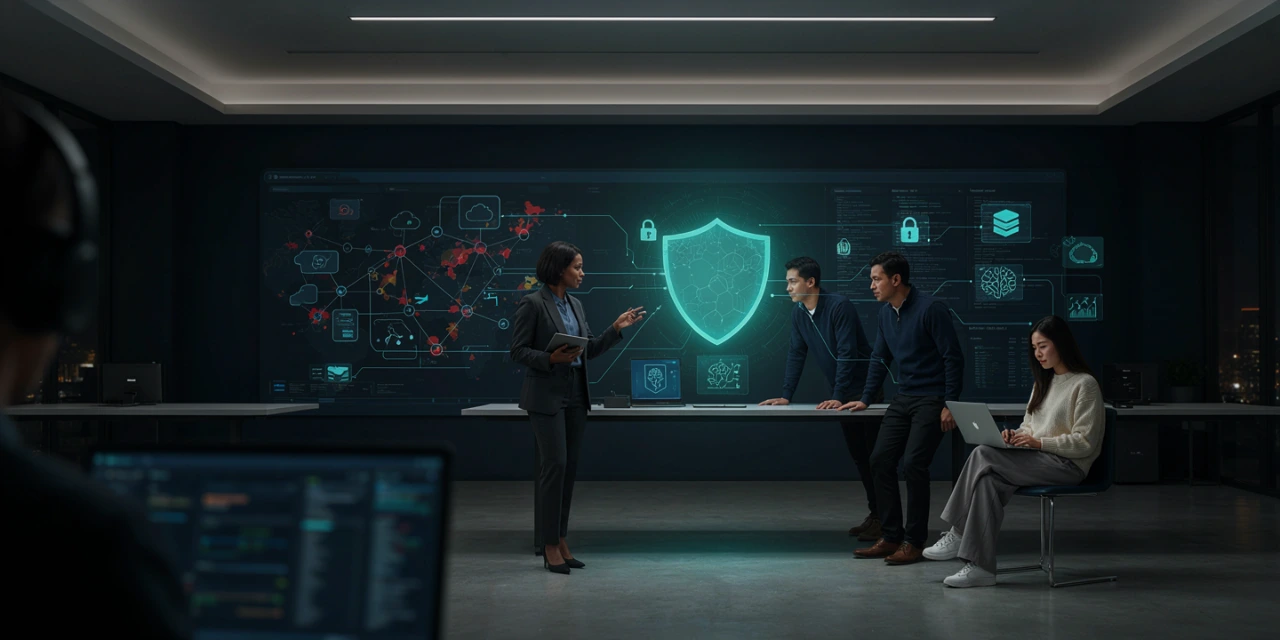
Executives should consequently treat cybersecurity as part of digital transformation strategy. Security teams, procurement departments, legal professionals, HR teams, and business leaders need to work together when evaluating technology partnerships.
Preparing for the Next Generation of Threats
The future of third party security will become more complex as organizations adopt AI agents, automated workflows, cloud services, Internet of Things devices, and interconnected business applications. Each new integration can create additional opportunities for innovation while introducing another potential security dependency.
Businesses should therefore build security programs that are flexible enough to evolve with technology. Regular vendor reviews, stronger identity controls, continuous monitoring, employee awareness, and well tested incident response plans can provide a foundation for resilience.
The most important lesson is that third party cyber threats cannot be treated as someone else’s problem. Every external connection represents a relationship that requires visibility, accountability, and appropriate security controls. Organizations that combine innovation with disciplined risk management will be better positioned to protect data and maintain trust as the digital ecosystem continues to expand.
Future Outlook for Third Party Cybersecurity
Third party cybersecurity is moving toward continuous risk intelligence rather than periodic compliance checks. Companies will increasingly use automation and AI driven analytics to evaluate vendor behavior, identify vulnerabilities, and prioritize emerging risks.
For technology leaders, the opportunity is clear. Stronger partner security can support digital innovation without unnecessarily limiting business growth. By understanding the broader technology ecosystem and continuously improving security practices, organizations can build more resilient digital operations while remaining prepared for evolving cyber threats.
Explore more expert Technology insights and practical cybersecurity perspectives on iTechInfoPro.com.