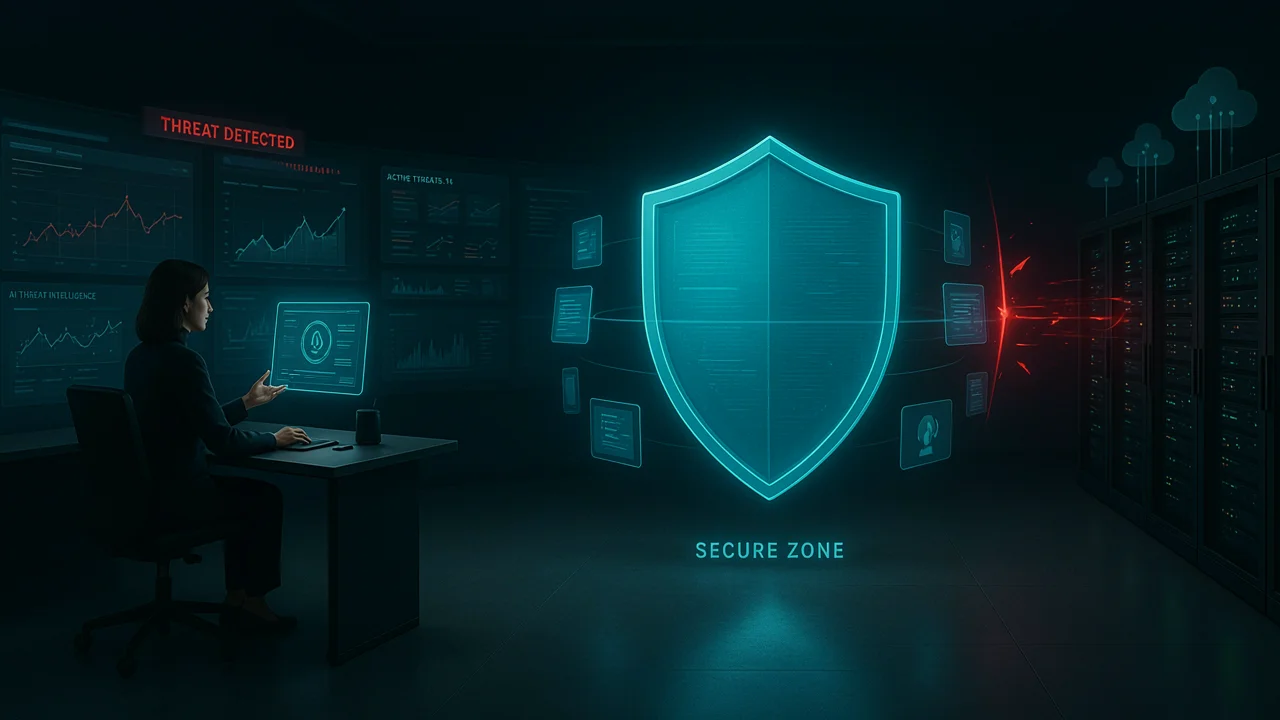
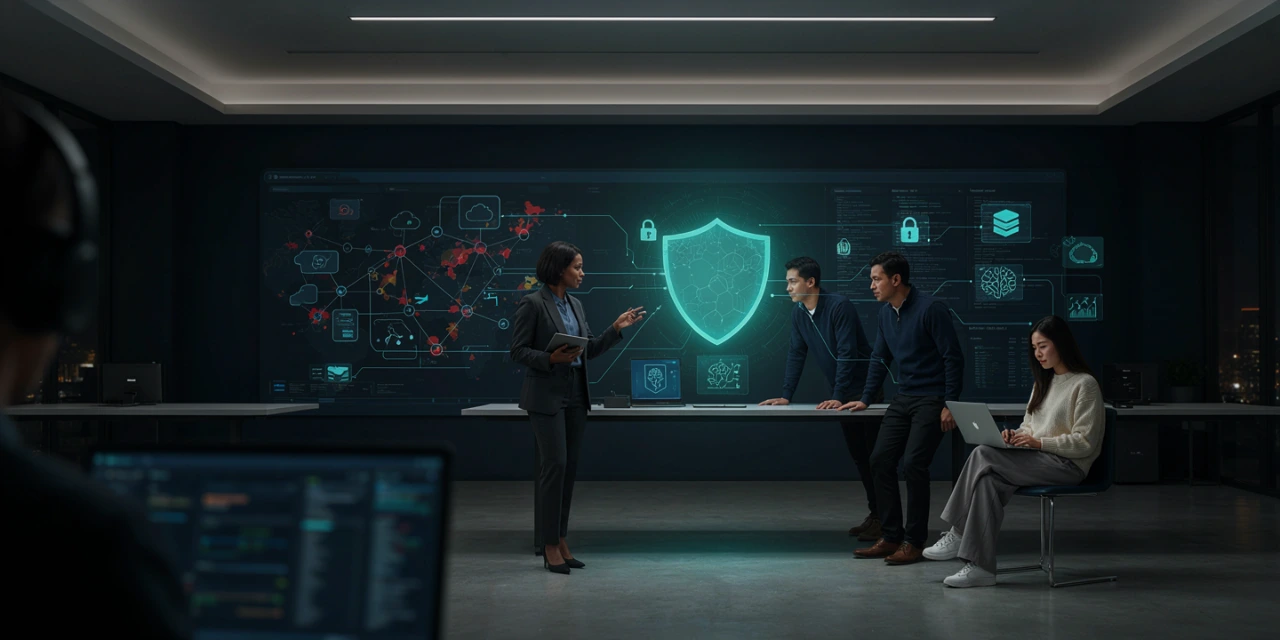
Cybersecurity has become a business priority as organizations across the United States rely increasingly on cloud platforms, artificial intelligence, and connected digital systems. While these technologies improve productivity and support innovation, they also introduce new security challenges. Businesses must protect sensitive information, maintain customer trust, and prepare for increasingly sophisticated cyberattacks.
Understanding the cybersecurity trends shaping 2026 can help organizations strengthen their defenses and respond more effectively to emerging threats. Moreover, cybersecurity is no longer just an IT department responsibility. It influences business continuity, regulatory compliance, financial performance, and long term digital transformation.
AI Powered Cyberattacks Are Becoming More Sophisticated
Artificial intelligence is changing how organizations detect threats, but cybercriminals are also using it to improve their attacks. AI tools can help attackers create convincing phishing messages, impersonate executives, and automate parts of their operations. Consequently, traditional security measures that depend heavily on recognizing suspicious emails may no longer be sufficient.
Businesses can respond by combining advanced threat detection with employee awareness training and stronger identity verification. For example, organizations should establish clear procedures for confirming payment requests and sensitive instructions, particularly when they arrive through email or messaging platforms.
At the same time, AI powered security tools can help analysts identify unusual activity and investigate incidents more quickly. However, these systems require careful configuration and human oversight to reduce false alerts and prevent important threats from being overlooked.
Zero Trust Security Is Gaining Importance
Traditional network security often assumes that users inside a corporate network can be trusted. However, remote work, cloud applications, and third party integrations have made network boundaries less reliable.
Zero trust security addresses this challenge by requiring continuous verification of users, devices, and access requests. Instead of granting broad permissions automatically, organizations evaluate whether each connection should receive access to a particular resource.
Additionally, businesses can strengthen zero trust strategies through multifactor authentication, device security checks, and role based access controls. These measures are particularly valuable for organizations managing distributed teams and sensitive customer information.
Cloud Security and Data Protection Remain Critical
Cloud computing supports business expansion, flexible working, and faster software delivery. Nevertheless, misconfigured storage, excessive user permissions, exposed credentials, and insecure application interfaces can create serious vulnerabilities.
Therefore, companies should regularly review cloud configurations, restrict unnecessary access, and monitor activity across their digital environments. Encryption and reliable backup systems also help protect sensitive information and support recovery after a security incident.
Meanwhile, businesses adopting hybrid cloud environments need consistent security policies across different platforms. Technology insights and IT industry news can help decision makers understand emerging risks, but organizations should assess their own systems rather than relying solely on general industry recommendations.
Ransomware and Supply Chain Attacks Require Stronger Defenses
Ransomware remains a major concern because attacks can disrupt operations, expose confidential information, and create substantial recovery costs. Attackers may also target suppliers or service providers to reach larger organizations through trusted connections.
As a result, businesses need more than antivirus software to prepare for these threats. Regularly tested backups, timely software updates, network segmentation, and documented incident response procedures can reduce the potential impact of an attack.
Furthermore, organizations should evaluate the cybersecurity practices of vendors that handle sensitive data or connect to internal systems. Strong supplier oversight is particularly important when companies depend on external cloud providers, software platforms, and managed IT services.
Identity Security and Passkeys Are Reshaping Authentication
Stolen credentials remain a common route into business systems. Password reuse, phishing, and weak authentication practices can allow attackers to access accounts without exploiting a complicated technical vulnerability.
Passkeys offer an alternative to traditional passwords by using cryptographic authentication supported by compatible devices and services. When implemented appropriately, they can reduce exposure to common password theft and phishing techniques.
Additionally, businesses should review administrator accounts, remove unnecessary permissions, and monitor unusual login patterns. These practices help limit the damage that compromised credentials can cause.
Employee Awareness Is Essential to Cybersecurity
Technology alone cannot eliminate cybersecurity risks. Employees may unintentionally expose sensitive information by opening malicious attachments, sharing credentials, or approving fraudulent requests.
Consequently, regular security training should reflect the threats employees are likely to encounter in their roles. Finance teams, for instance, may need additional guidance on payment fraud, while HR teams should understand the risks associated with employee records and recruitment communications.
HR trends and insights can help businesses consider how training fits into workplace development. Similarly, sales strategies and research and marketing trends analysis can reveal how customer facing teams handle sensitive information across digital platforms.
Regulatory Compliance and Security Budgets Are Evolving
US businesses operate within a complex environment of federal and state privacy requirements, industry specific obligations, and contractual security expectations. The exact rules depend on the organization, the information it handles, and the markets it serves.
Therefore, businesses should identify applicable requirements and maintain clear records of security controls, risk assessments, and incident response procedures. Finance industry updates are especially relevant to organizations in regulated financial services, where operational resilience and protection of customer information are critical.
Security investment should also reflect the potential business impact of different threats. Rather than purchasing tools without a clear objective, leaders should prioritize controls that address identified risks and support measurable improvements.
Practical Cybersecurity Insights for the Year Ahead
Businesses preparing for the rest of 2026 should focus on improving visibility across their systems, strengthening identity protection, testing backups, and preparing employees to recognize emerging threats. They should also establish clear ownership for security decisions and regularly evaluate whether existing controls remain effective.
Moreover, organizations can use AI and automation to improve detection and response, provided these technologies are supported by appropriate oversight. Cybersecurity works best as an ongoing business process rather than a one time technology investment.
As digital transformation accelerates, companies that integrate security into everyday operations will be better positioned to protect data, maintain customer confidence, and respond to changing risks.
Explore more expert technology insights, cybersecurity developments, and IT industry analysis on iTechInfoPro.com.