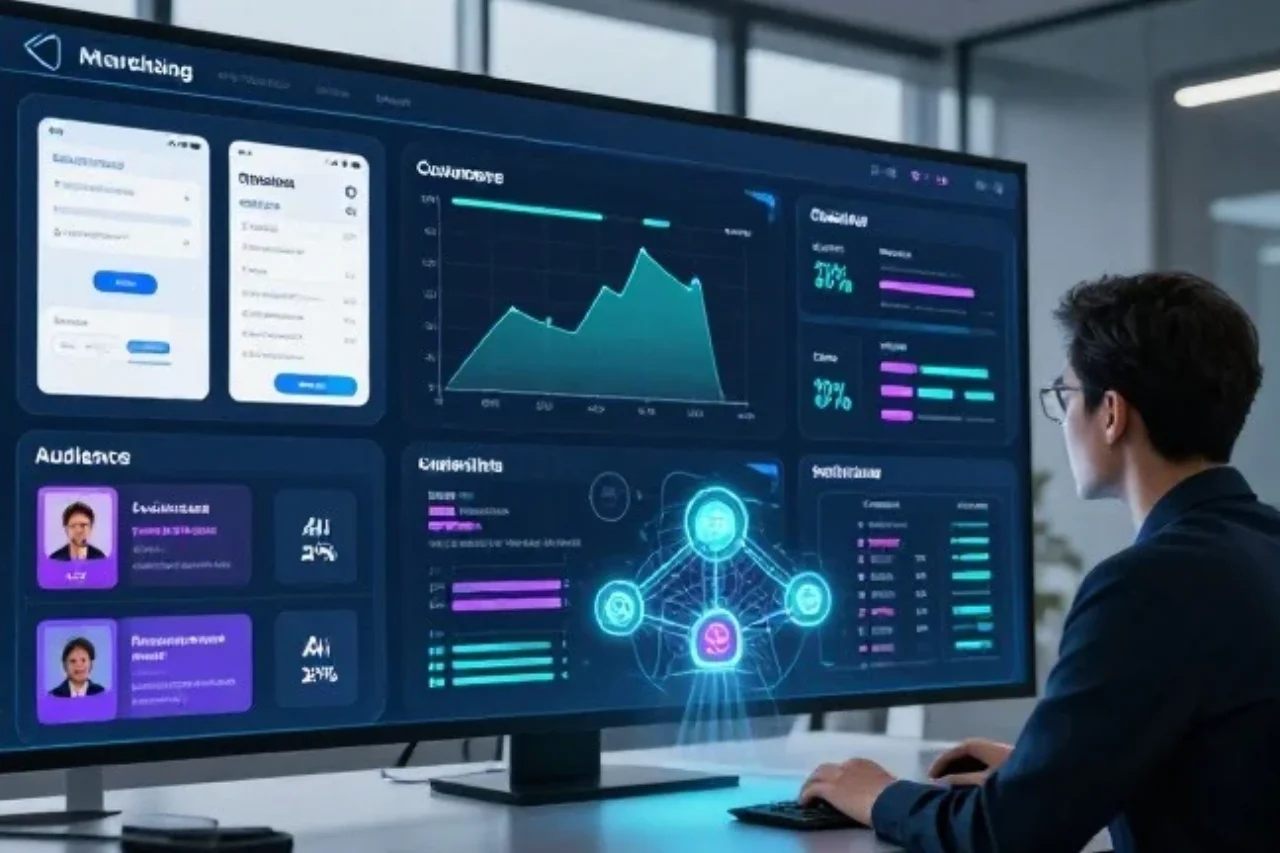
Machine learning is becoming an important part of how businesses operate, compete, and grow. Across the UK, organisations are investing in intelligent technologies to improve efficiency, understand customers, and make better business decisions. From financial services to retail and manufacturing, companies are finding practical ways to use data to solve everyday challenges.
In 2026, machine learning is no longer limited to large technology companies. Small and medium sized businesses are also exploring its potential through cloud platforms, automation tools, and AI powered applications. This shift is creating new opportunities for innovation while changing how the UK business landscape approaches digital transformation.
Smarter Business Decisions Through Data Analysis
Businesses generate enormous amounts of information through customer interactions, sales transactions, websites, and internal operations. However, turning this information into useful insights can be challenging without the right technology.
Machine learning helps organisations identify patterns, recognise changing trends, and predict possible outcomes using historical and real time data. Consequently, business leaders can make decisions based on meaningful insights rather than relying entirely on assumptions.
These technology insights are particularly valuable for organisations looking to improve operational performance. Companies can analyse customer behaviour, forecast demand, and identify potential business risks. As a result, data driven decision making is becoming an important part of modern digital transformation strategies.
The finance sector is among the industries benefiting significantly from machine learning. Banks, insurance providers, and financial technology companies are using intelligent systems to improve security, detect suspicious transactions, and assess financial risks.
For example, machine learning models can identify unusual spending patterns and flag potentially fraudulent activities much faster than traditional monitoring methods. Additionally, financial institutions are using predictive analytics to improve customer services and support more informed lending decisions.
These developments are closely connected to the latest finance industry updates, where automation, cybersecurity, and personalised financial services continue to influence technology investments. However, financial organisations must also maintain transparency, protect customer information, and ensure that automated decisions are properly monitored.
Improving Marketing and Customer Experiences
Understanding customer expectations has become essential for businesses operating in competitive markets. Machine learning allows marketing teams to analyse browsing behaviour, purchase history, and customer preferences to create more relevant experiences.
For instance, online retailers can recommend products based on previous purchases, while digital platforms can personalise content according to individual interests. Moreover, intelligent analytics tools help marketing professionals understand which campaigns perform well and where improvements are needed.
These capabilities are influencing marketing trends analysis across the UK. Businesses are moving towards personalised advertising, predictive customer segmentation, and automated campaign optimisation. Consequently, marketing teams can develop more effective strategies while improving how they connect with potential customers.
Changing Sales Strategies and Business Operations
Sales teams are also experiencing the benefits of intelligent automation. Machine learning can analyse customer information, identify promising leads, and estimate which prospects are more likely to convert.
This helps sales professionals prioritise their efforts and spend less time on repetitive administrative tasks. Additionally, predictive forecasting gives managers a clearer understanding of expected revenue and changing customer demand.
These developments are shaping modern sales strategies and research, particularly among businesses using customer relationship management platforms. Similarly, automated reporting and intelligent recommendations are helping teams respond more quickly to market opportunities.
Supporting HR Trends and Workforce Development
The influence of machine learning extends beyond customer facing operations. Human resources departments are exploring intelligent technologies to improve recruitment, workforce planning, and employee development.
For example, analytics platforms can help HR teams identify skills gaps, understand employee engagement patterns, and plan future training requirements. Meanwhile, automation can reduce repetitive administrative work, allowing HR professionals to focus more on employee experience and organisational development.
These changes are contributing to evolving HR trends and insights across the UK. Nevertheless, businesses must use recruitment and employee analytics responsibly. Human oversight is essential to reduce bias and ensure that technology supports fair workplace decisions.
Machine Learning in Manufacturing and Supply Chains
Manufacturing companies are using machine learning to improve production quality, manage equipment, and reduce unexpected downtime. Predictive maintenance systems analyse machine performance and identify warning signs before equipment failures occur.
Similarly, supply chain businesses can use predictive models to estimate demand, monitor inventory, and identify potential delivery disruptions. This helps organisations manage resources more effectively and respond to changing market conditions.
As digital technologies become more accessible, these applications are helping traditional industries modernise their operations. Therefore, machine learning is becoming an important part of the UK’s wider industrial innovation landscape.
Challenges Businesses Must Address
Despite its advantages, adopting machine learning requires careful planning. Many organisations face challenges involving data quality, implementation costs, cybersecurity, and a shortage of specialised skills.
Another important consideration is data protection. UK businesses must ensure that their use of customer and employee information follows applicable data protection requirements. Additionally, automated systems need regular monitoring to identify inaccurate predictions and unintended bias.
Successful adoption depends on more than purchasing advanced software. Companies need clear business objectives, reliable data infrastructure, skilled employees, and a practical understanding of how intelligent systems fit into existing operations.
What the Future Holds for UK Businesses
Machine learning will continue influencing how UK organisations approach technology, innovation, and business growth. As cloud computing, automation, and generative AI become more closely connected, companies will have greater opportunities to build intelligent digital services and streamline everyday processes.
However, long term success will depend on using these technologies responsibly and focusing on measurable business outcomes. Organisations that invest in employee skills, data security, and adaptable IT infrastructure will be better positioned to respond to changing industry requirements.
Ultimately, machine learning is helping UK businesses move towards more connected, efficient, and data driven operations. Its growing role will continue shaping the country’s digital economy throughout 2026 and beyond.
Explore iTechInfoPro.com for more expert technology insights, IT industry news, and emerging digital trends.