Manufacturing is entering a new era where physical operations and digital technologies are becoming increasingly connected. Businesses are adopting intelligent systems to improve productivity, reduce operational costs, and respond faster to changing market demands. Among these developments, digital twins are emerging as an important innovation in industrial transformation.
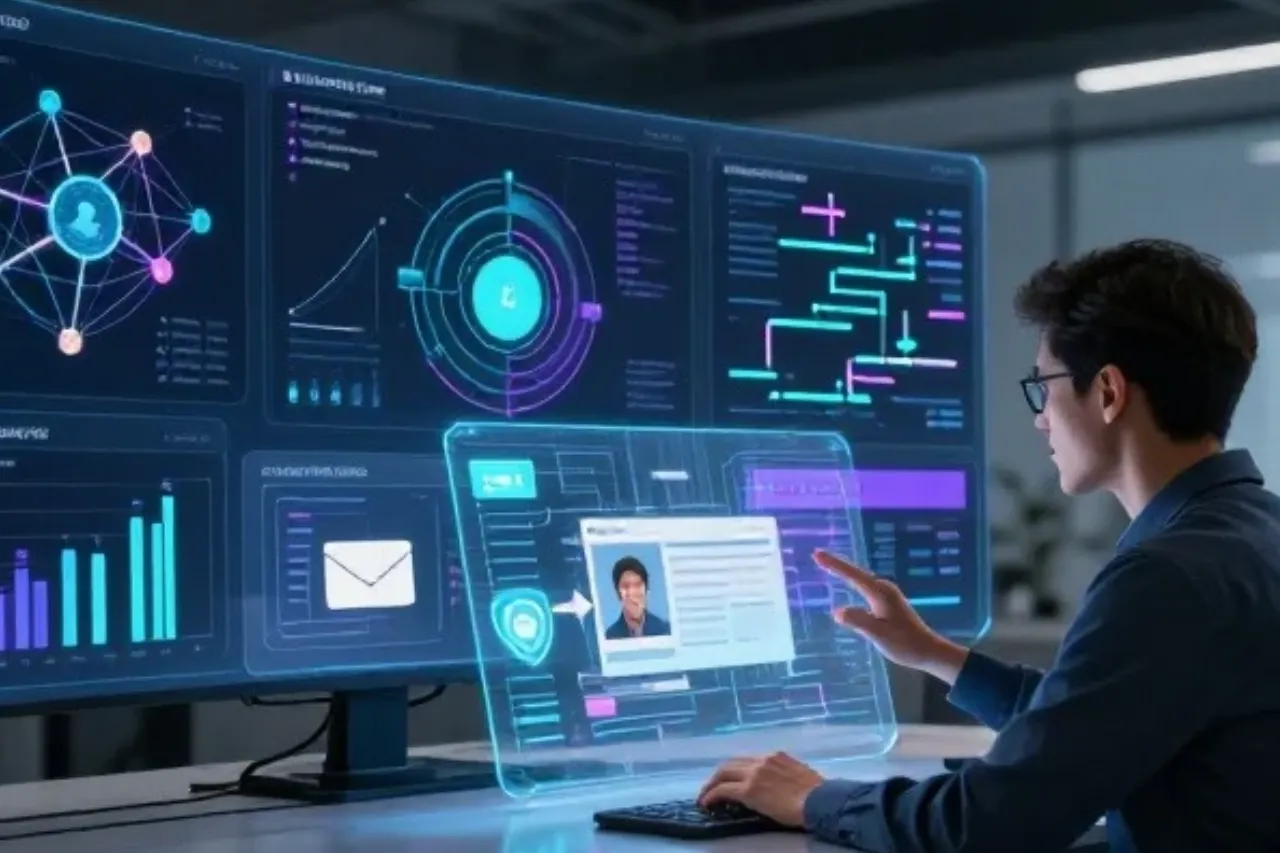
A digital twin is a virtual representation of a physical object, machine, process, or entire industrial environment. It uses real time data from connected sensors, Internet of Things devices, and enterprise systems to reflect the condition and performance of its physical counterpart. This allows manufacturers to understand operations more effectively without relying entirely on physical inspections or manual reporting.
As industries continue investing in automation and smart manufacturing, digital twins are becoming valuable tools for improving operational visibility, decision making, and long term business performance.
How Digital Twin Technology Works
Digital twin technology combines several technologies, including IoT sensors, cloud computing, artificial intelligence, machine learning, and advanced data analytics. These systems collect information from physical equipment and transfer it into a digital environment where manufacturers can monitor performance and analyze operational conditions.
For example, a manufacturing company can create a digital representation of an industrial machine. Sensors installed within the equipment continuously collect information about temperature, vibration, pressure, and operating speed. The digital model processes this information and provides insights into how the machine is performing.
Moreover, advanced simulations allow engineers to test different operating conditions and evaluate potential improvements before implementing changes in the physical environment. Consequently, businesses can reduce experimentation costs while improving production planning.
Improving Manufacturing Efficiency Through Predictive Maintenance
Equipment failures can interrupt production schedules, increase maintenance expenses, and affect customer commitments. Traditional maintenance approaches often depend on fixed schedules or inspections after problems become visible.
However, digital twins support a more proactive approach through predictive maintenance. By analyzing equipment performance data, these systems can identify unusual patterns that may indicate developing mechanical problems.
Artificial intelligence can further improve this process by recognizing patterns across historical and real time operational information. Maintenance teams can therefore investigate potential issues before they cause major equipment failures.
Additionally, manufacturers can use these insights to schedule maintenance more effectively, reduce unnecessary equipment downtime, and improve asset utilization. This makes predictive maintenance an important part of modern industrial IT strategies.
The Connection Between Digital Twins and Industry 4.0
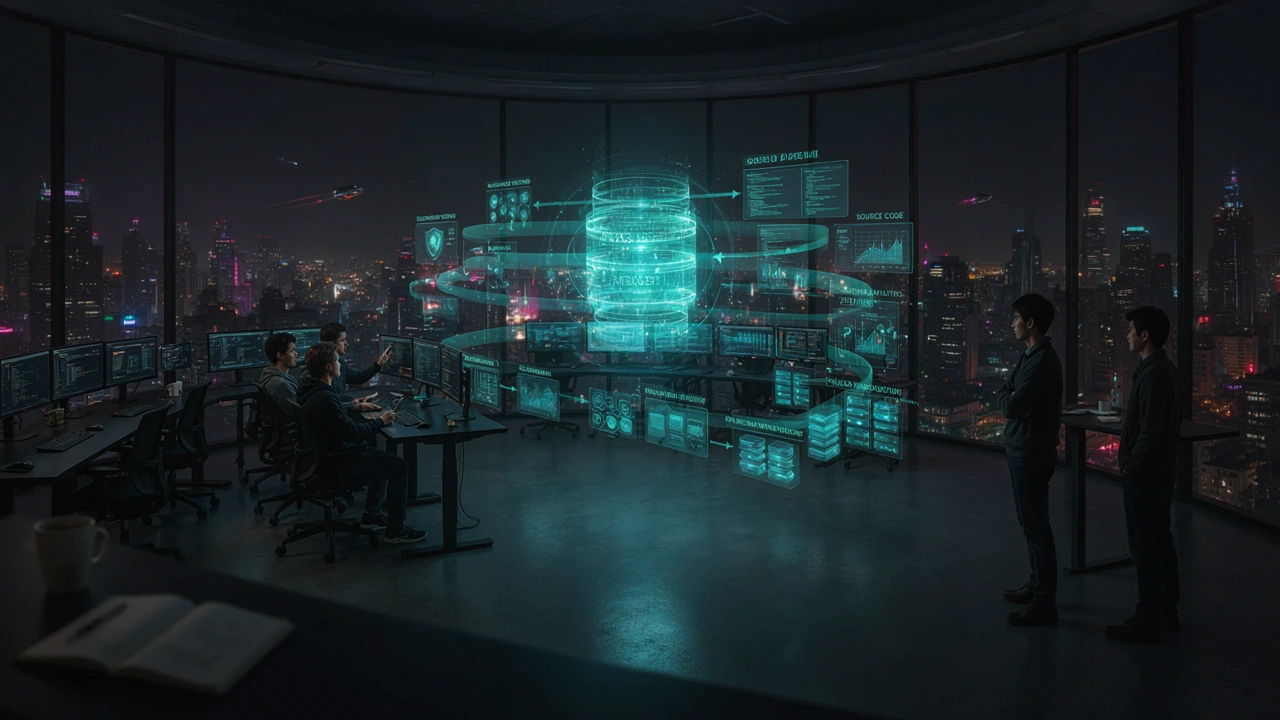
Industry 4.0 focuses on connecting industrial equipment, software platforms, and business processes through intelligent digital infrastructure. Digital twins contribute to this transformation by creating a continuous connection between physical operations and digital information systems.
When integrated with industrial IoT platforms, digital twins provide manufacturers with greater visibility into production environments. Managers can monitor equipment performance, identify production bottlenecks, and understand how operational changes affect overall efficiency.
Furthermore, integration with enterprise resource planning and manufacturing execution systems can connect production data with inventory, procurement, and supply chain activities.
These capabilities demonstrate how digital transformation is moving beyond isolated automation projects toward connected industrial ecosystems. Technology insights from this development also highlight the growing importance of data integration across enterprise IT environments.
How Artificial Intelligence Is Expanding Digital Twin Capabilities
Artificial intelligence is making digital twins more intelligent and useful for complex industrial environments. Instead of simply displaying equipment conditions, AI enabled digital models can analyze operational patterns, identify inefficiencies, and support predictive decision making.
For instance, manufacturers can simulate production changes to understand how different machine settings may influence output quality, energy consumption, and production speed.
Similarly, machine learning models can examine historical equipment data to identify conditions associated with operational failures. These capabilities help engineering teams make better informed decisions while reducing reliance on manual analysis.
As AI adoption increases, digital twins are also becoming relevant to broader technology developments covered in IT industry news, particularly around industrial automation, intelligent infrastructure, and connected enterprise systems.
Applications Beyond Manufacturing Floors
Although manufacturing remains a major application area, digital twin technology is expanding into several other business functions. Logistics companies can use virtual models to understand warehouse operations, transportation activities, and supply chain performance.
The technology can also support infrastructure management, energy production, construction, and healthcare operations. For example, energy companies can monitor industrial assets and evaluate how changing operating conditions may affect performance.
Additionally, digital twins can influence business planning beyond engineering departments. Finance teams can evaluate potential equipment investments using operational performance projections, while HR teams can identify workforce training requirements as manufacturing processes become more automated.
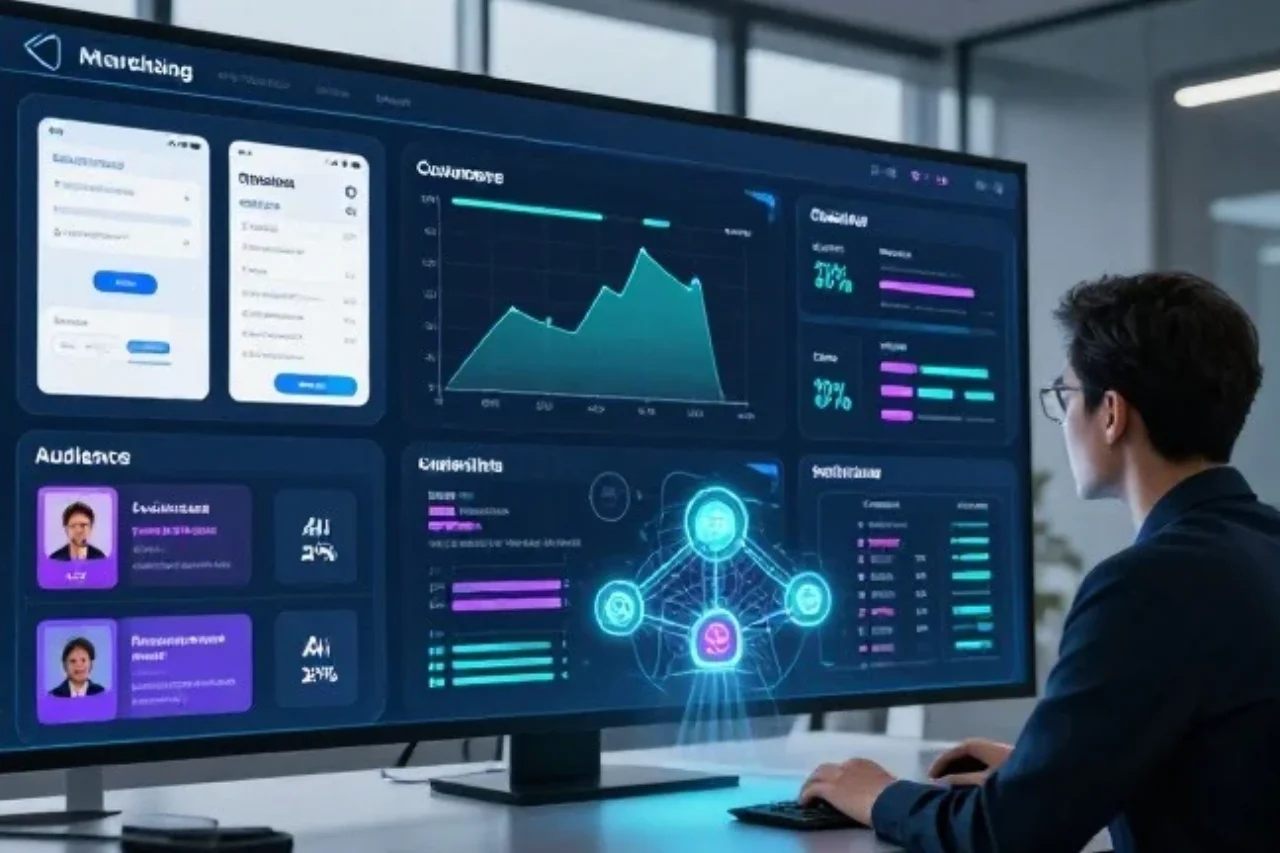
These developments create opportunities to connect technology adoption with finance industry updates, HR trends and insights, and broader sales strategies and research. Similarly, marketing teams can use operational intelligence to better understand product availability, delivery expectations, and customer demand.
Challenges Businesses Must Address
Despite their potential, digital twins require careful planning and investment. Developing an accurate digital model depends on reliable data, compatible systems, and well connected industrial infrastructure.
Legacy manufacturing equipment may not support modern connectivity standards, making integration more complicated. Businesses may also face challenges involving cybersecurity, data privacy, cloud infrastructure costs, and technical expertise.
Moreover, inaccurate sensor information or poorly maintained digital models can produce misleading insights. Therefore, organizations must establish effective data governance, security controls, and regular system validation.
Successful implementation requires collaboration between IT teams, engineers, operations managers, and business leaders. A clearly defined business objective can help companies prioritize investments and measure meaningful results.
The Future of Digital Twins in Industrial Operations
Digital twins are expected to become increasingly sophisticated as artificial intelligence, edge computing, 5G connectivity, and industrial IoT continue developing. These technologies will support faster data processing, more detailed simulations, and improved coordination between physical assets and digital platforms.
Meanwhile, manufacturers are likely to explore digital twins across entire production facilities rather than limiting their use to individual machines. This could provide a broader understanding of production efficiency, energy consumption, supply chain performance, and equipment reliability.
For businesses considering adoption, the most practical approach is to begin with a clearly defined operational challenge, such as reducing equipment downtime or improving production quality. Once measurable benefits are established, organizations can expand their digital twin initiatives across additional processes.
The evolution of digital twins demonstrates how connected technology is reshaping industrial operations. Companies that combine reliable data, intelligent automation, and effective digital infrastructure will be better positioned to build more efficient and adaptable manufacturing environments.
Stay informed about emerging technologies shaping modern industries. Visit iTechInfoPro.com for more expert technology insights.