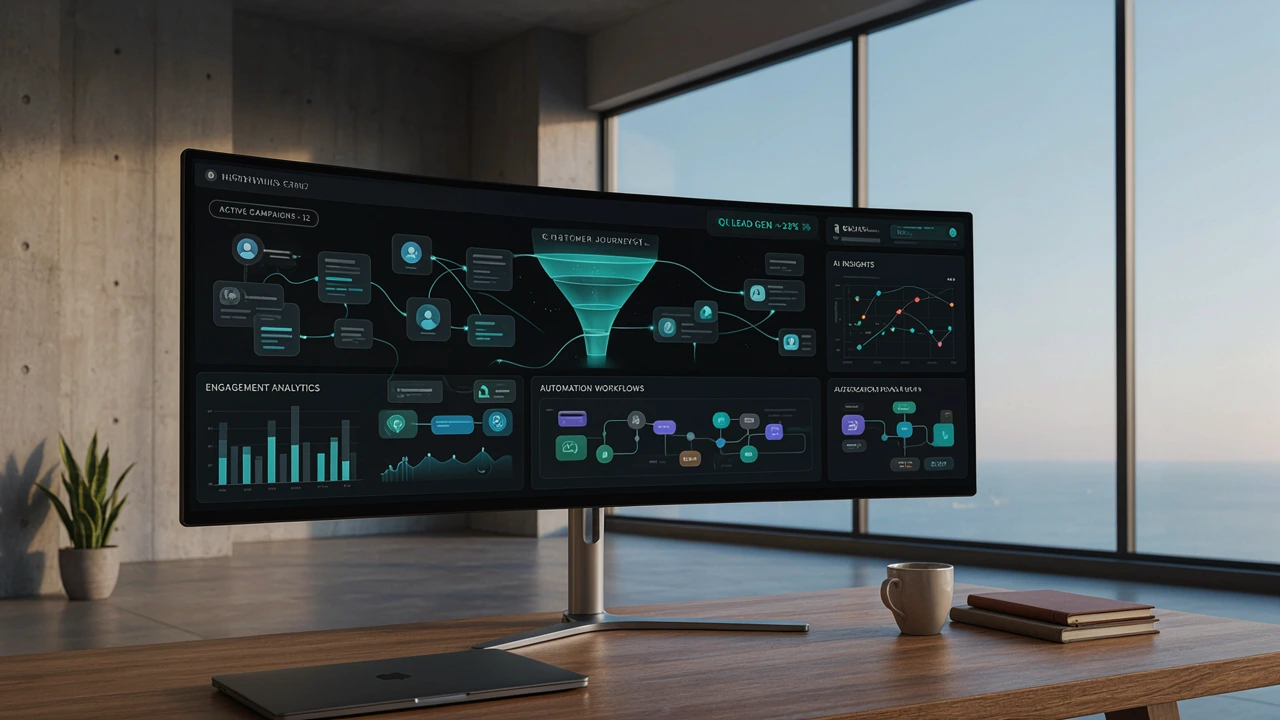
Artificial intelligence is moving from an emerging technology into a core part of modern software development. In 2026, businesses are increasingly looking for applications that can understand data, automate decisions, personalize experiences, and support employees without adding unnecessary complexity. As a result, AI is redefining SaaS solutions across industries and changing how organizations approach digital transformation.
Traditional SaaS applications primarily focused on providing accessible cloud based software. However, the latest generation is becoming more intelligent and responsive. Instead of simply helping users complete tasks, modern platforms can analyze information, identify patterns, recommend actions, and increasingly perform parts of a workflow.
AI Is Changing How SaaS Applications Work
The biggest shift is happening inside the applications themselves. AI can analyze large volumes of business information and turn that data into useful recommendations. Consequently, employees can spend less time searching through dashboards or manually processing information and more time making strategic decisions.
Moreover, intelligent automation is helping SaaS platforms handle repetitive activities. Customer relationship management applications can prioritize prospects, financial platforms can identify unusual transactions, and human resource systems can help organizations understand workforce patterns. These capabilities are making software more adaptive while reducing operational friction.
For technology leaders following Technology insights and IT industry news, this evolution represents a broader movement toward software that actively participates in business processes rather than simply supporting them.
Personalization Becomes a Competitive Advantage
Customer expectations are also influencing the development of intelligent software. Users increasingly expect digital experiences to reflect their individual needs, preferences, and behavior. Therefore, SaaS providers are using AI to deliver more relevant recommendations, interfaces, notifications, and content.
In sales environments, intelligent platforms can identify promising opportunities and suggest appropriate follow up actions. Similarly, marketing teams can use behavioral information to improve audience segmentation and campaign decisions. This connection between software intelligence and customer understanding is particularly relevant to Sales strategies and research and Marketing trends analysis.
As personalization becomes more sophisticated, SaaS products that provide generic experiences may struggle to maintain user engagement.
AI Is Reshaping Business Operations
The influence of AI extends beyond customer facing features. Businesses are increasingly using intelligent software to improve internal operations across finance, HR, sales, marketing, and IT.
For example, finance teams can use AI assisted analytics to identify spending patterns and improve forecasting. Meanwhile, HR departments can analyze workforce information to support planning and employee engagement. These developments are closely connected with Finance industry updates and HR trends and insights because software is becoming an important part of how organizations understand and manage their resources.
Furthermore, AI can connect information from different business systems, creating a more unified view of organizational performance. As a result, leaders can make decisions using current information rather than relying entirely on manually prepared reports.
Security Is Becoming More Intelligent
As SaaS adoption grows, security remains a major concern. Cloud applications contain valuable business information, making them attractive targets for cyber threats. AI is therefore becoming an important component of modern SaaS security strategies.
Intelligent security systems can examine user behavior, application activity, and network patterns to identify unusual activity. Consequently, organizations can potentially detect suspicious behavior earlier and respond more efficiently.
However, greater intelligence also creates new responsibilities. SaaS providers must protect customer data, explain how AI capabilities operate, and establish appropriate controls around automated decisions. Trust will therefore remain just as important as innovation.
The Rise of More Autonomous Software
Another important development is the gradual movement toward software capable of completing multi step tasks with less human intervention. Rather than requiring users to navigate every stage of a workflow, intelligent SaaS applications can increasingly interpret requests and coordinate actions across connected systems.
For instance, a user might ask an application to prepare a performance report, identify significant changes, and recommend the next action. Instead of simply displaying raw information, the platform can help transform that information into a practical business workflow.
Nevertheless, human oversight remains essential. Organizations need clear governance to ensure automated systems operate within defined business and security boundaries.
What This Means for the Future of SaaS
The evolution of SaaS is ultimately becoming a story about business intelligence, usability, and adaptability. Companies are no longer evaluating software only by the number of features it offers. Instead, they are considering how effectively an application can help employees achieve measurable outcomes.
Moreover, successful SaaS providers will need to balance AI innovation with reliability, security, transparency, and user control. The strongest platforms will not necessarily be those with the most AI features. Rather, they will be the ones that use intelligence to solve genuine customer problems without creating unnecessary complexity.
Valuable Insights for the Evolving IT Ecosystem
AI is redefining SaaS solutions by turning traditional cloud applications into increasingly intelligent business environments. In 2026, the competitive advantage will come from combining automation, personalization, analytics, security, and human expertise in meaningful ways.
Therefore, technology leaders should evaluate AI capabilities based on practical business value rather than novelty. Meanwhile, SaaS developers should focus on responsible implementation, strong data foundations, and experiences that genuinely improve productivity.
The next stage of SaaS will be shaped not simply by how much AI software contains, but by how effectively intelligence helps people work, decide, and innovate.
Explore more expert Technology insights and the latest IT industry news at iTechInfoPro.com.
Stay informed about digital transformation, emerging technologies, and the future of the evolving IT ecosystem.