Artificial intelligence is moving from an emerging technology into a core component of the global digital ecosystem. Over the next decade, AI is expected to become more capable, accessible, autonomous, and deeply integrated into everyday business and technology environments.
The AI advancements to expect over the next 10 years will influence how organizations develop products, manage operations, interact with customers, and make decisions. Therefore, businesses that understand these changes early can prepare their technology strategies and workforce for a rapidly evolving environment.
AI Becomes More Autonomous
One of the most significant changes will be the evolution of AI systems from tools that respond to instructions into systems capable of completing complex tasks with greater independence. AI agents will increasingly be able to understand objectives, plan actions, use software, analyze information, and coordinate multiple steps.
Moreover, organizations could use intelligent agents to automate repetitive workflows across customer service, software development, research, administration, and operations. However, human oversight will remain important for decisions involving risk, ethics, security, and accountability.
Smarter Human and AI Collaboration
The future of AI will not necessarily be about replacing every human task. Instead, many AI advancements will focus on improving collaboration between people and intelligent systems.
Employees may use AI assistants to analyze documents, summarize complex information, generate ideas, conduct research, and support decision making. Consequently, professionals could spend more time on creativity, strategy, communication, and problem solving.
This shift will also influence HR trends and insights as organizations reconsider job roles and the skills required for an AI enabled workplace. Continuous learning and technology literacy are likely to become increasingly important across industries.
AI Transformation Across Industries
AI will continue expanding across sectors, creating new opportunities for digital transformation. In healthcare, intelligent systems could support diagnostics, drug discovery, medical research, and personalized treatment planning. In finance, AI can improve fraud detection, risk assessment, forecasting, and customer services.
Finance industry updates will increasingly include developments involving intelligent automation, predictive analytics, and AI powered financial services. Similarly, sales strategies and research could become more data driven as AI analyzes customer behavior, identifies potential prospects, and recommends personalized engagement approaches.
Marketing will also experience significant changes. Marketing trends analysis will increasingly involve AI generated insights, predictive customer modeling, automated content creation, and personalized campaigns. As a result, businesses may be able to respond to changing customer behavior much faster.
AI and the Future of Software Development
Software development is another area expected to experience major transformation. AI coding assistants can already generate code, explain technical concepts, identify potential issues, and support testing.
Over the next decade, these capabilities could become more sophisticated. Developers may increasingly work with AI systems that understand application architecture, business requirements, testing processes, and deployment environments.
Meanwhile, human developers will remain essential for system design, security decisions, quality assurance, and understanding complex business requirements. The role of developers could therefore shift toward higher level engineering and problem solving.
More Powerful AI Infrastructure
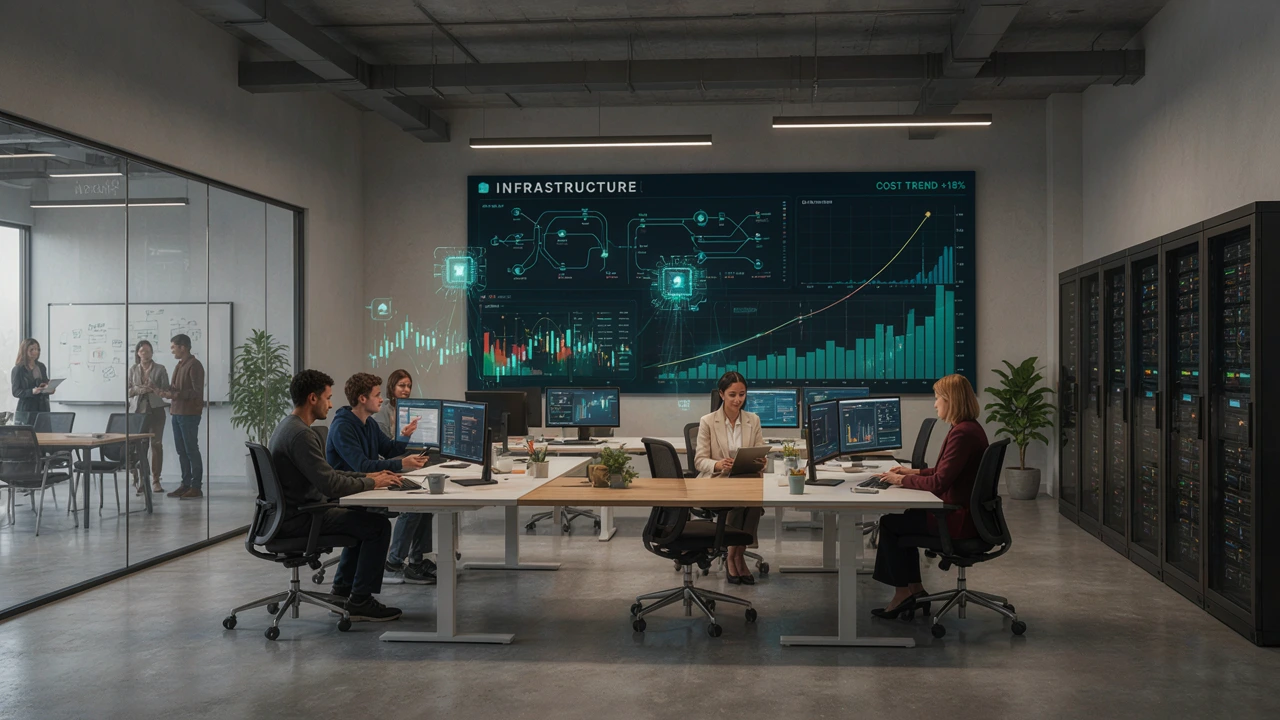
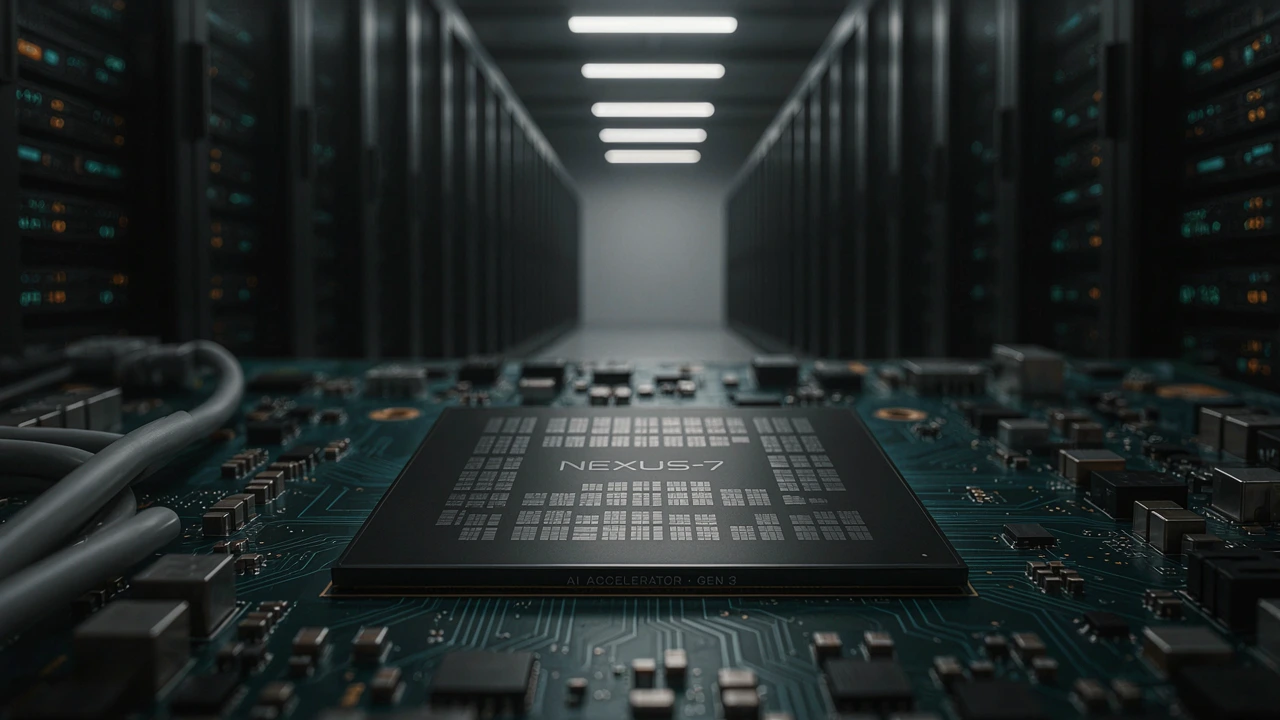
The growing demand for AI will require significant improvements in computing infrastructure. Advanced processors, specialized AI chips, cloud platforms, distributed computing, and energy efficient data centers will become increasingly important.
Additionally, organizations will need better systems for managing large datasets and deploying AI models securely. These infrastructure developments will contribute to broader digital transformation while creating new opportunities across the IT ecosystem.
Technology insights from this period will increasingly focus on the relationship between AI capabilities, computing power, data availability, and infrastructure efficiency.
AI Security and Responsible Innovation
As AI becomes more powerful, security and responsible development will become critical priorities. Organizations will need to protect AI systems from manipulation, unauthorized access, unreliable outputs, and misuse.
Furthermore, businesses will need stronger governance frameworks for evaluating how AI systems make decisions and use sensitive information. Transparency, privacy, security, and accountability will therefore become essential elements of enterprise AI strategies.
In contrast, organizations that adopt AI without appropriate safeguards could face operational, reputational, and regulatory challenges.
AI and Everyday Digital Experiences
AI will increasingly become less visible while becoming more useful. Instead of always appearing as a separate application, intelligent capabilities may become embedded within search engines, operating systems, productivity platforms, smart devices, vehicles, and business software.
Users may interact with technology through natural conversations rather than traditional interfaces. As a result, digital experiences could become more personalized and context aware.
This evolution may also create new expectations around speed and convenience, encouraging companies to rethink how customers and employees interact with digital services.
Preparing for the AI Driven Decade
The AI advancements to expect over the next 10 years will not be limited to better algorithms. The larger transformation will involve changes in business models, workforce skills, software development, infrastructure, security, and customer experiences.
Organizations should therefore focus on building adaptable technology strategies rather than attempting to predict every specific development. Investing in data quality, cybersecurity, employee education, responsible AI practices, and flexible infrastructure can create a stronger foundation for future innovation.
The most valuable technology insights will come from understanding how AI connects with broader changes across the IT ecosystem. Businesses that combine human expertise with intelligent technologies will be better positioned to innovate as the next decade unfolds.
Explore more expert technology insights and emerging IT industry news on iTechInfoPro.com.
Stay informed about digital transformation, AI innovation, and the technologies shaping the future.