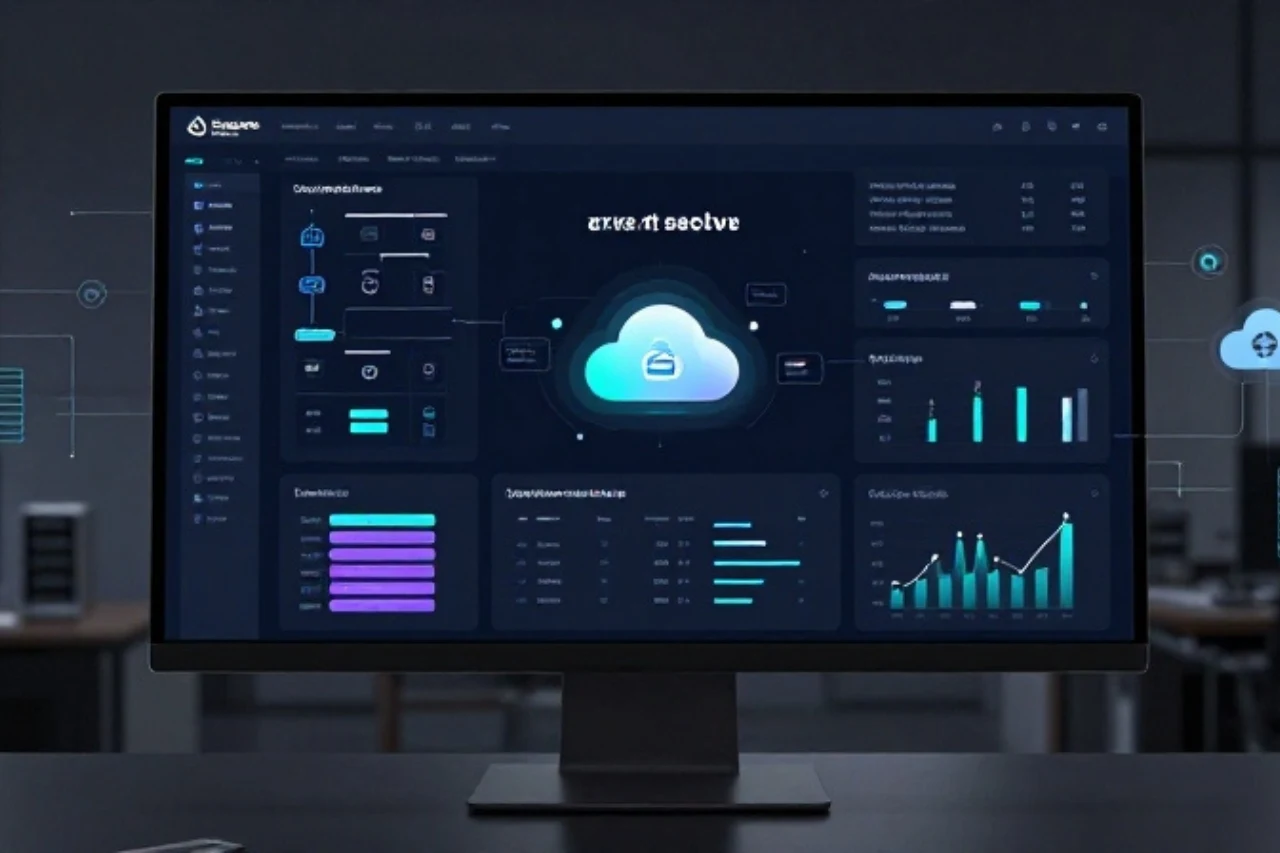
UK businesses are under growing pressure to deliver software faster, improve operational reliability and manage increasingly complex cloud environments. As organisations expand their digital capabilities, traditional DevOps practices can become difficult to scale across multiple development teams. Platform engineering is emerging as a practical response, helping businesses standardise infrastructure and simplify the software delivery process.
Rather than asking every developer to manage deployment pipelines, infrastructure configurations and operational tools independently, platform engineering creates a shared foundation that teams can use to build and release applications more efficiently. This approach is attracting attention across financial services, retail, healthcare and technology companies seeking to accelerate digital transformation.
For UK organisations, the shift represents more than a technical upgrade. It reflects a broader effort to improve developer experience, strengthen governance and establish scalable technology foundations for future growth.
Platform engineering involves designing and maintaining internal developer platforms that provide teams with consistent access to approved tools, infrastructure and deployment workflows. These platforms often bring together cloud provisioning, CI/CD pipelines, monitoring, security controls and reusable software templates within a unified environment.
A key concept is the internal developer platform, which enables developers to request resources and deploy applications without needing to understand every underlying infrastructure detail. Consequently, teams can spend more time building business features instead of repeatedly solving the same operational problems.
However, successful platform engineering does not mean removing developers from operational responsibilities. Instead, it establishes sensible defaults and automated workflows while allowing teams to retain control over their applications. This balance helps organisations scale DevOps without introducing unnecessary complexity.
Improving Developer Productivity and Software Delivery
One of the strongest reasons businesses are adopting platform engineering is the opportunity to reduce friction throughout the software development lifecycle. When teams rely on different deployment processes, configuration standards and monitoring tools, even routine releases can become time consuming.
A shared platform can provide reusable templates, automated testing, standardised environments and consistent deployment procedures. As a result, developers can move from initial coding to production deployment with fewer manual steps and less dependence on specialist infrastructure teams.
These improvements are particularly valuable for organisations managing multiple applications or distributed engineering teams. Moreover, platform teams can incorporate documentation, security policies and operational guidance directly into development workflows.
Technology insights from these initiatives can also help leadership understand where delivery bottlenecks occur. Measuring deployment frequency, lead time for changes, change failure rates and recovery time provides a more meaningful view of progress than simply counting automation tools.
The Role of Cloud Native Technologies and Automation
Cloud native technologies are central to many modern platform engineering initiatives. Kubernetes, containerisation, infrastructure as code and automated CI/CD systems provide building blocks for consistent application delivery across environments.
For example, a UK enterprise operating across several business units can use infrastructure templates to establish standard development environments while applying consistent access controls and configuration policies. This reduces manual provisioning and helps teams avoid configuration differences between development, testing and production.
Additionally, automation can support policy enforcement, vulnerability scanning and resource monitoring. However, organisations should avoid building platforms that introduce too many layers of abstraction. A platform becomes valuable when it simplifies everyday work rather than forcing developers through complicated internal processes.
The most effective implementations evolve through feedback, starting with common developer needs before expanding into more advanced capabilities.
Security, Compliance and Operational Governance
Security remains a major consideration for UK businesses adopting shared development platforms. Financial institutions and other regulated organisations must manage access controls, audit requirements, sensitive information and software supply chain risks alongside delivery speed.
Platform engineering can make these responsibilities easier to manage by embedding security checks and approved configurations into standard workflows. For example, teams can use predefined infrastructure templates, centralised secrets management and automated vulnerability scanning to reduce the risk of inconsistent practices.
Nevertheless, automation cannot guarantee compliance. Organisations must maintain appropriate oversight, review platform permissions and ensure that controls reflect applicable legal and regulatory obligations.
These measures are particularly relevant when evaluating finance industry updates and wider IT industry news, where operational resilience and cybersecurity continue to influence technology investment decisions.
Platform engineering delivers the greatest value when its objectives align with wider business priorities. Faster software releases can support product innovation, while reliable infrastructure can help customer facing services remain available during periods of high demand.
The benefits can also extend beyond engineering departments. HR trends and insights may help organisations identify skills gaps and develop training programmes for platform engineers, cloud specialists and software developers. Meanwhile, sales strategies and research can highlight the importance of delivering product improvements quickly in competitive markets.
Similarly, marketing trends analysis can reveal how development teams support customer data platforms, campaign automation and digital experiences that depend on reliable software infrastructure.
This cross functional perspective helps leaders evaluate platform engineering as a business capability rather than an isolated IT project.
Challenges UK Organisations Need to Address
Despite its advantages, platform engineering requires careful planning. Building an internal developer platform involves investment in engineering expertise, tooling, documentation and ongoing maintenance. Smaller organisations may find that a fully customised platform introduces more overhead than it removes.
Another challenge is adoption. Developers may resist standardised workflows if they feel those workflows restrict flexibility or fail to address real problems. Therefore, platform teams should involve developers early, collect feedback and prioritise features that reduce everyday friction.
Businesses should also define clear ownership and service expectations. Without measurable objectives, platform initiatives can become expensive infrastructure projects with limited evidence of business value.
What UK Businesses Should Prioritise Next
In 2026, UK businesses can approach platform engineering most effectively by starting with a specific delivery problem, establishing baseline performance measures and introducing a small set of reusable capabilities. They can then expand according to developer feedback, security requirements and measurable operational improvements.
The long term opportunity lies in creating a self service environment that makes secure software delivery easier without sacrificing flexibility. Organisations that combine thoughtful platform design with strong DevOps practices can build more resilient technology operations and respond more quickly to changing market demands.
For technology leaders, the key insight is straightforward. Platform engineering should make the right way of delivering software the easiest way for developers to work.
Explore more expert technology insights, digital transformation developments and IT industry analysis on iTechInfoPro.com.