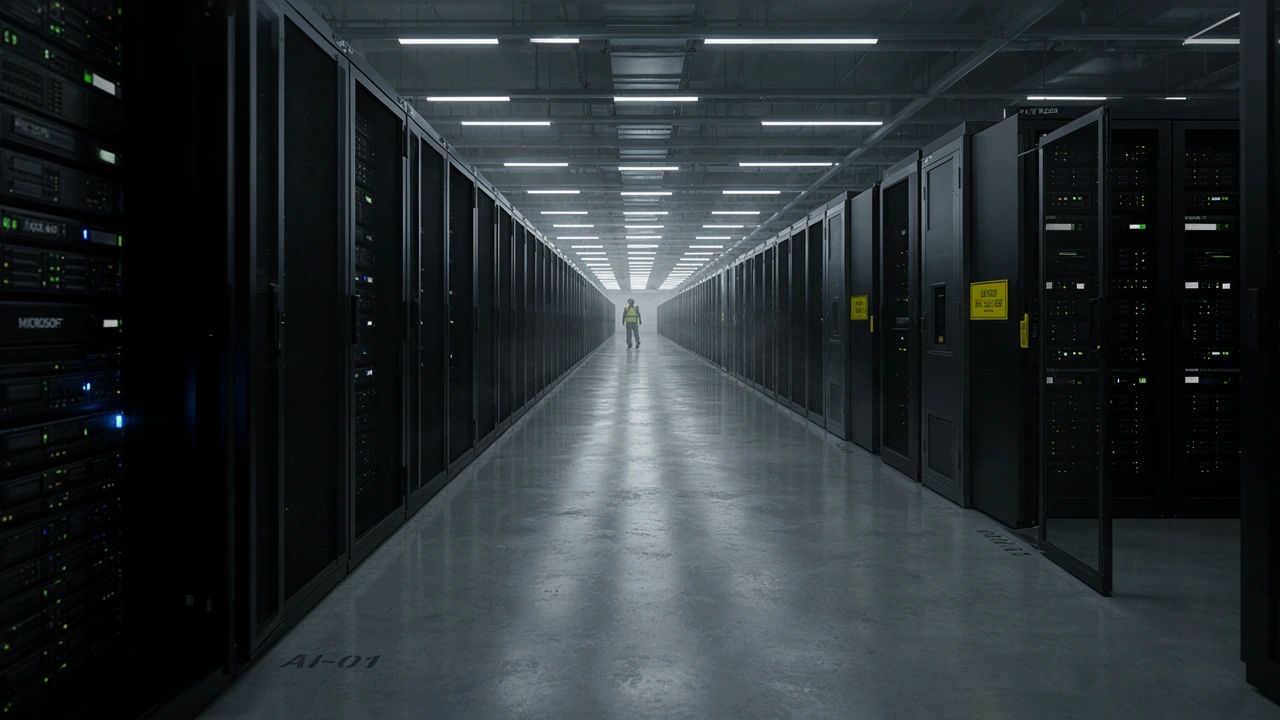
American workplaces are entering a new stage of automation as artificial intelligence becomes increasingly connected with physical machines. Unlike traditional industrial robots that typically follow predefined instructions, modern robotic systems can use computer vision, machine learning and advanced sensors to respond to changing environments.
The growth of AI powered robotics is particularly visible across manufacturing, logistics, warehousing and other industries where repetitive physical tasks can be automated. According to the International Federation of Robotics, industrial robot installations in the United States increased 11 percent year over year to approximately 38,000 units in 2025.
Consequently, robotics is becoming an increasingly important part of the American technology ecosystem.
From Automation to Intelligent Collaboration
Traditional automation was designed primarily around predictable processes. However, workplaces today often require machines to handle greater variation and respond to information in real time.
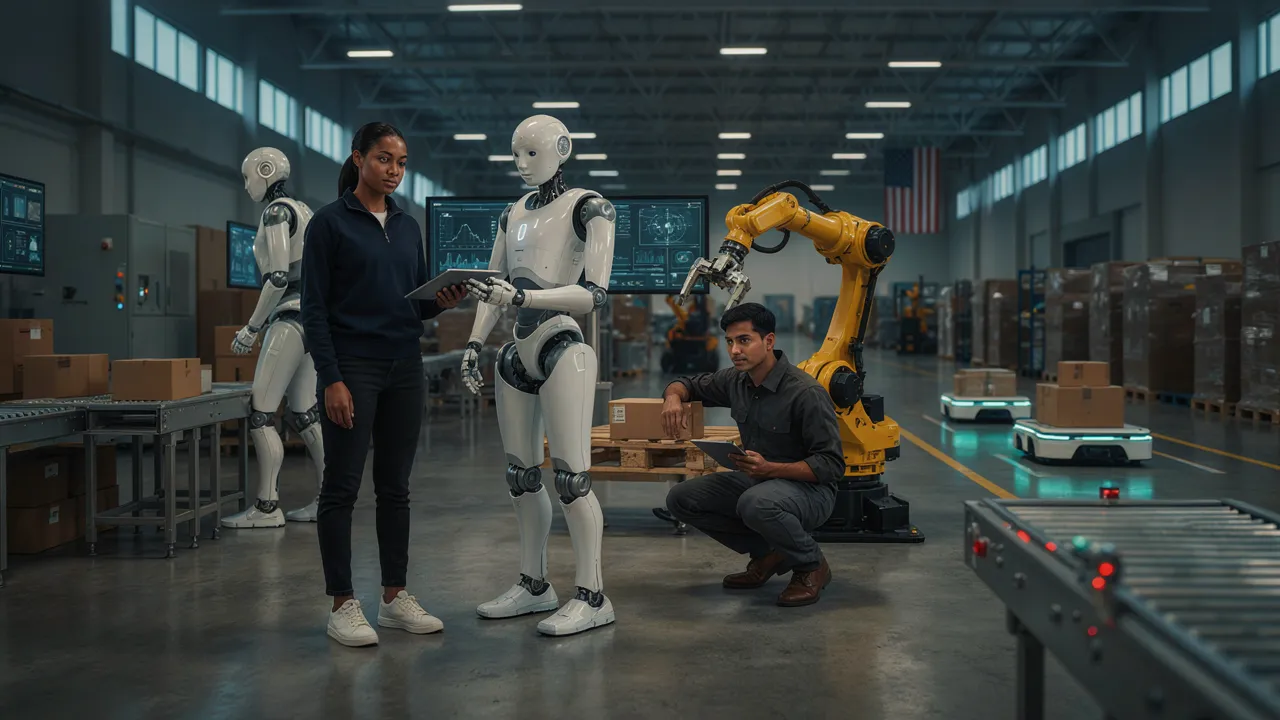
Modern robotic systems can combine cameras, sensors, artificial intelligence and software to understand their surroundings. Therefore, machines can perform increasingly complex tasks while working alongside employees.
The World Economic Forum describes this transition as a move toward intelligent and connected industrial operations in which humans and intelligent systems collaborate in real time.
This does not necessarily mean removing people from the workplace. Instead, the role of employees can shift toward supervision, decision making, problem solving and tasks that require human judgment.
Manufacturing Embraces Intelligent Robotics
Manufacturing remains one of the most important areas for robotic adoption in the United States. Automotive companies continue to be major users, while industries such as food production, electronics and machinery are also adopting automation.
The latest IFR figures show that the US automotive sector installed approximately 13,500 industrial robots in 2025. Meanwhile, robot installations in the US food industry increased by 30 percent, demonstrating that automation is expanding beyond traditional automotive applications.
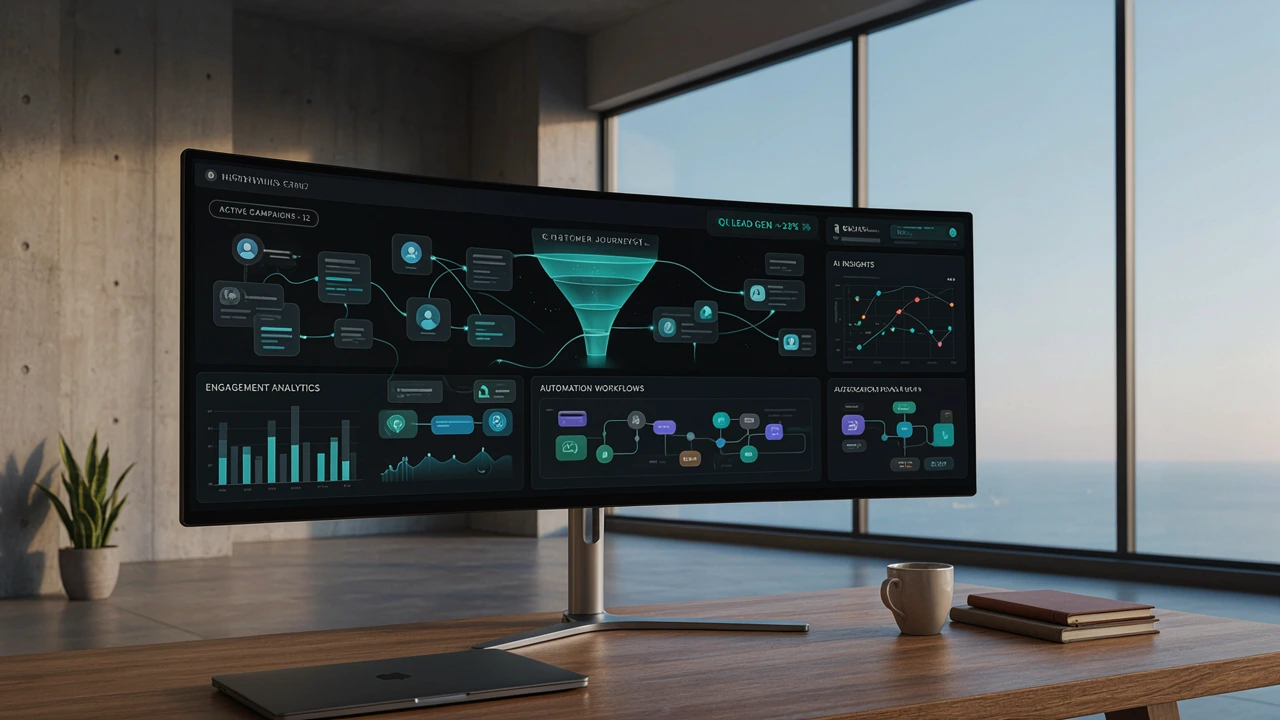
Moreover, intelligent manufacturing can connect robots with analytics, sensors and enterprise software. As a result, businesses can create production environments where physical operations and digital systems continuously exchange information.
Smarter Warehouses and Supply Chains
Warehousing is another area where robotics is changing everyday work. Robots can transport materials, sort products and support repetitive fulfillment activities.
Additionally, intelligent systems can use real time information to coordinate movement across warehouse environments. This can help businesses respond to changing inventory requirements and customer demand.
The World Economic Forum notes that autonomous systems are increasingly becoming part of industrial and supply chain operations, while new roles are emerging around robotics orchestration, autonomous logistics and warehouse operations.
Therefore, the future warehouse may involve fewer purely manual processes and more collaboration between employees, software and robotic systems.
Technology adoption also changes the skills employees need. As machines take responsibility for repetitive and data rich activities, workers may increasingly focus on monitoring systems, handling exceptions and making operational decisions.
According to the World Economic Forum, three in four industrial jobs are expected to evolve over the next decade, while around 40 percent of future industrial skills are expected to be new or emerging.
Consequently, workforce development is becoming as important as the technology itself. Companies will need employees who understand robotics, data, artificial intelligence and digital workflows.
This shift connects closely with HR trends and insights, particularly around reskilling, technical training and new career paths within intelligent workplaces.
Robotics is no longer operating as an isolated technology. Increasingly, it is becoming part of a wider digital transformation strategy.
For example, a factory robot can interact with sensors, cloud platforms, analytics systems and enterprise applications. Similarly, warehouse machines can connect operational data with inventory and supply chain platforms.
In addition, AI can help these systems interpret information and adapt their actions. This combination of physical machines and digital intelligence is often described as physical AI.
The World Economic Forum identifies physical AI as an emerging model in which robots can perceive, reason and act within real world environments.
Impact Across Business Functions
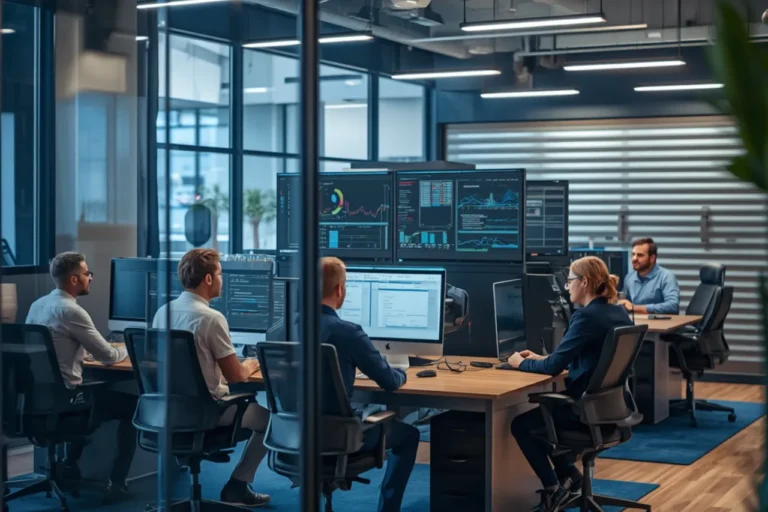
The influence of robotics extends beyond engineering departments. Operations teams can use automated systems to improve production workflows, while finance teams may benefit indirectly from more predictable processes and operational data.
Meanwhile, sales teams can use improved fulfillment capabilities to support customer expectations, while marketing teams can communicate stronger operational capabilities to customers.
These developments also connect with Finance industry updates, Sales strategies and research and Marketing trends analysis, because technological changes can influence costs, customer experiences and competitive positioning across an organization.
Furthermore, professionals following Technology insights and IT industry news are increasingly watching the convergence of artificial intelligence, robotics, cloud computing and enterprise software.
Safety and Responsible Implementation
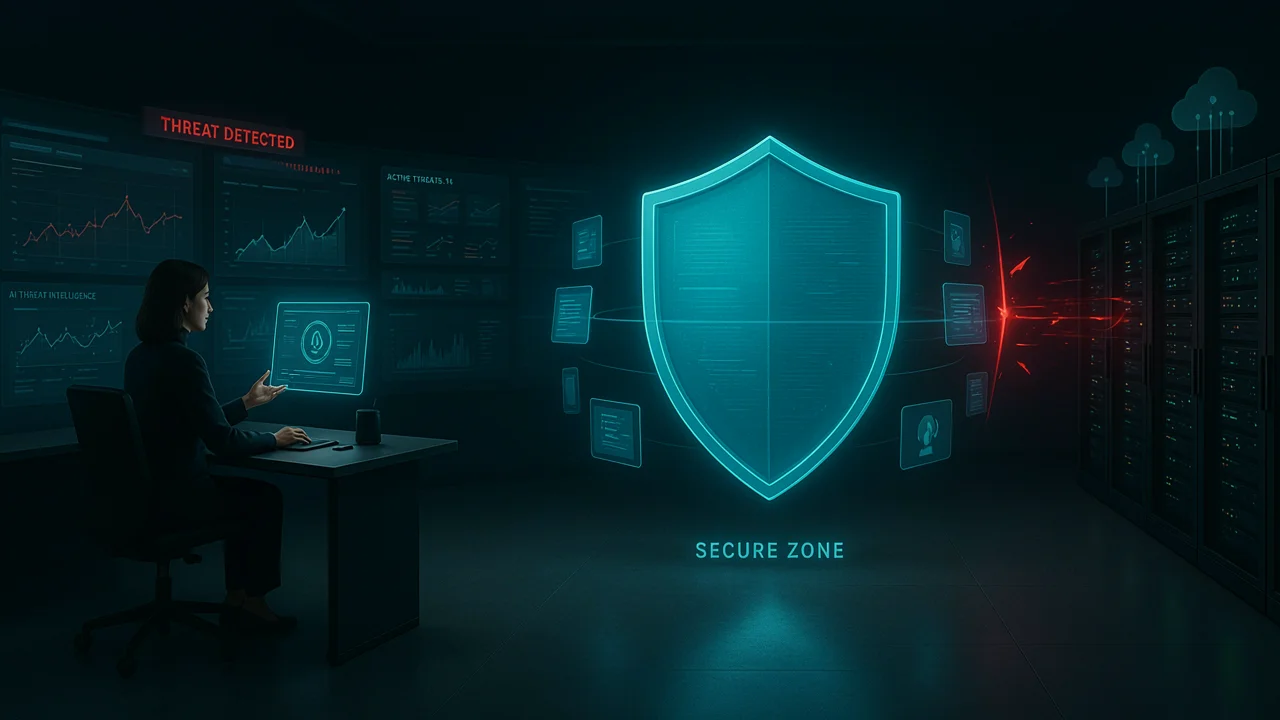
Despite the opportunities, deploying intelligent machines requires careful planning. Businesses must consider workplace safety, cybersecurity, system reliability and human oversight before expanding robotic operations.
Moreover, employees need appropriate training to understand how machines operate and what to do when systems encounter unexpected conditions.
The World Economic Forum emphasizes that successful human machine collaboration requires investment in workforce preparation, digital skills and new ways of working.
Therefore, companies should view robotics implementation as an organizational transformation rather than simply an equipment upgrade.
What the Future Workplace Could Look Like
The next generation of American workplaces is likely to combine human expertise with increasingly capable machines. Robots may handle repetitive physical activities while employees focus on supervision, creativity, problem solving and complex decision making.
At the same time, intelligent systems could become more adaptive. Instead of requiring detailed instructions for every situation, future machines may interpret natural language, understand context and adjust their actions accordingly.
This evolution is already visible in advanced manufacturing environments. The World Economic Forum reports that leading factories are combining AI guided robots with new employee skills and redesigned work processes.
Valuable Insights for Businesses
For businesses considering robotic transformation, the most practical starting point is not the technology itself. Instead, companies should identify processes where automation can solve a measurable operational challenge.
Next, organizations should evaluate data quality, system integration, employee training and workplace safety. Moreover, managers should establish clear responsibilities for human oversight before deploying increasingly autonomous machines.
The broader lesson is that successful automation depends on the relationship between people and technology. As robotic systems become more intelligent, businesses that invest in workforce skills and thoughtful process design can better prepare for the evolving digital workplace.
The growth of AI powered robotics represents a significant development in American technology and industrial innovation. Its impact will extend beyond factory floors as intelligent machines become increasingly connected to business operations.
Explore more expert Technology insights and emerging IT developments with iTechInfoPro.com.
Stay connected with iTechInfoPro for practical perspectives on the technologies shaping tomorrow’s workplace.