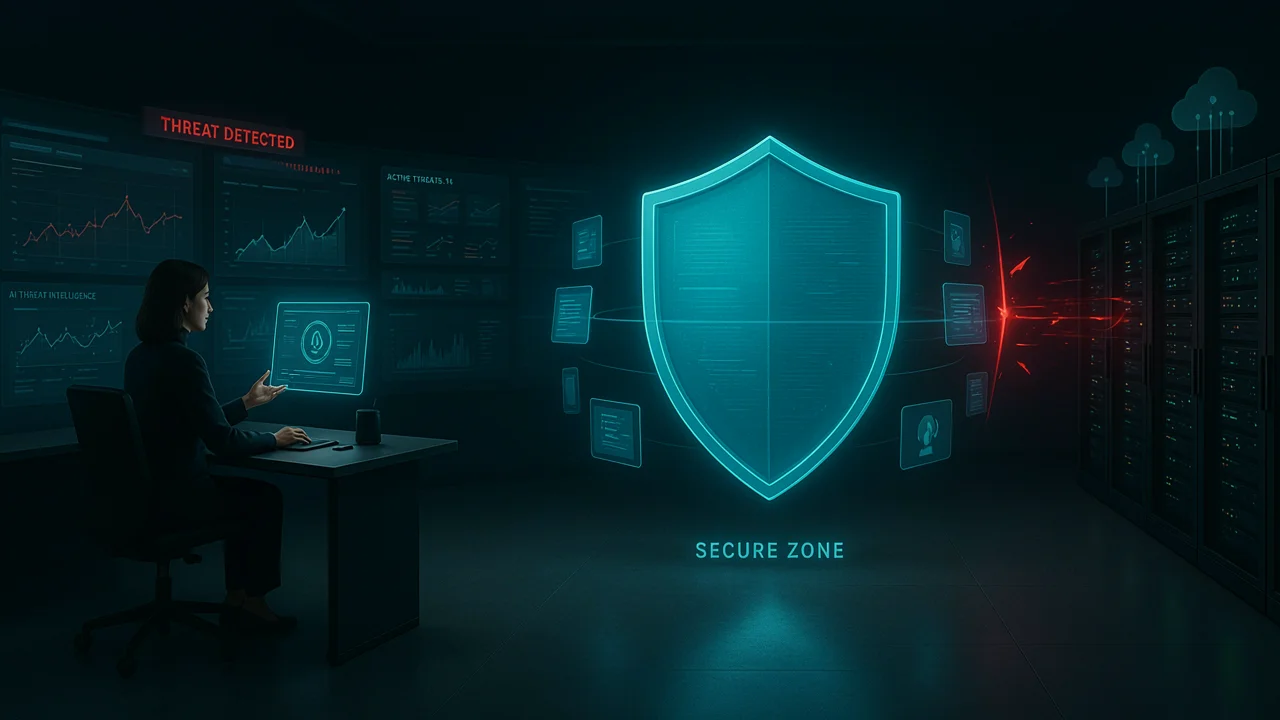
As businesses embrace digital transformation, protecting networks has become a critical part of operating securely. Cloud platforms, connected devices, remote working, and artificial intelligence are changing how organizations manage information. However, these technologies also create new opportunities for cybercriminals to exploit vulnerabilities.
Network security in 2026 requires more than traditional firewalls and antivirus software. Organizations need a layered approach that combines intelligent monitoring, secure access controls, employee awareness, and regular system updates. Consequently, companies that treat cybersecurity as a business priority can reduce risks while supporting innovation.
For technology leaders, understanding emerging threats and adopting practical security measures is essential to maintaining customer trust and operational stability.
Why Network Security Is Becoming More Important
Modern business networks connect employees, applications, cloud services, suppliers, and customers. Although this interconnected environment improves productivity, it also increases the number of potential entry points for attackers.
For example, an outdated router, compromised employee account, or misconfigured cloud service can expose sensitive information. Meanwhile, ransomware and phishing attacks continue to threaten organizations across industries.
Artificial intelligence adds another dimension to this challenge. Cybercriminals may use AI tools to create convincing phishing messages, automate reconnaissance, or adapt attacks more quickly. Therefore, security teams must improve their ability to identify suspicious activity before it causes significant damage.
Current IT industry news and technology insights increasingly highlight the importance of proactive security measures as businesses expand their digital operations.
Artificial intelligence is helping security teams analyze large volumes of network activity and identify unusual patterns. Instead of relying entirely on predefined rules, AI powered tools can detect behavior that differs from established baselines.
For instance, a monitoring system might flag an employee account that suddenly accesses unusual resources or transfers an unexpected volume of data. Security professionals can then investigate the activity and determine whether it represents a genuine threat.
Additionally, automated security platforms can help prioritize alerts, correlate information from different systems, and accelerate incident response. As a result, organizations may identify emerging threats more efficiently.
However, AI is not a complete security solution. False alarms, incomplete data, and sophisticated attacks can limit its effectiveness. Businesses should therefore combine automated detection with human oversight, clear response procedures, and regular testing.
Why Zero Trust and Access Control Matter
Traditional network security often relied on protecting the network perimeter. However, cloud computing and remote work have made that boundary less clearly defined.
Zero Trust offers a different approach by requiring verification whenever users, devices, or applications request access to protected resources. Rather than automatically trusting activity because it originates inside a company network, organizations evaluate identity, permissions, and relevant security signals.
Multifactor authentication, least privilege access, and network segmentation support this model. Moreover, reviewing permissions regularly helps prevent former employees, compromised accounts, or unnecessary applications from retaining access to sensitive systems.
Consequently, Zero Trust can strengthen security across offices, cloud environments, and distributed teams. Businesses should introduce these controls gradually, beginning with critical applications and high risk accounts.
Cloud adoption and the Internet of Things have expanded the modern IT ecosystem. Businesses now depend on cloud databases, connected equipment, smart cameras, industrial sensors, and remote management tools.
Nevertheless, these technologies can introduce weaknesses when organizations overlook software updates, default passwords, or access permissions. An unsecured device may become an entry point into a wider business network.
To reduce exposure, companies should maintain an accurate inventory of connected assets, replace unsupported devices, and install security updates promptly. In addition, separating sensitive systems from less trusted devices can limit the spread of an attack.
Cloud security also requires careful configuration of storage, user permissions, and application interfaces. Regular assessments can help identify gaps before attackers exploit them.
The Business Impact of Cybersecurity
Network security affects more than IT operations. A successful attack can interrupt services, increase recovery expenses, damage customer relationships, and create regulatory challenges.
From a financial perspective, finance industry updates often reinforce the importance of understanding technology related risks when evaluating business resilience and investment decisions. Security budgets should account for prevention, monitoring, recovery, and employee training rather than focusing exclusively on software purchases.
Similarly, HR trends and insights can help organizations build stronger security awareness through employee education and clear reporting procedures. Meanwhile, sales strategies and research should consider how reliable data protection supports customer confidence.
Marketing trends analysis is also relevant because a company’s response to a security incident can influence its reputation. Therefore, cybersecurity should involve leadership, finance, human resources, marketing, and technology teams rather than remaining the responsibility of IT departments alone.
Practical Strategies for Stronger Network Security
Businesses can improve their security posture by reviewing network access, enforcing multifactor authentication, and keeping operating systems and applications updated. Regular backups are equally important because they can support recovery after ransomware incidents or accidental data loss.
Furthermore, organizations should monitor network traffic, investigate unusual behavior, and test incident response plans. These activities help teams understand how quickly they can detect and contain a potential attack.
Employee education also deserves consistent attention. Practical training can help staff recognize suspicious links, verify unexpected requests, and report unusual account activity. In addition, companies should assess suppliers and third party services that can access their systems.
Rather than implementing every security tool at once, businesses should prioritize controls according to their most valuable assets, likely threats, and available resources.
Future Outlook and Actionable Technology Insights
Network security in 2026 will increasingly depend on continuous monitoring, identity focused protection, AI assisted analysis, and effective collaboration between people and technology. As digital transformation accelerates, organizations must regularly reassess their defenses instead of assuming that existing controls will remain sufficient.
The most effective starting point is a clear understanding of the business network, its vulnerabilities, and the data that matters most. From there, leaders can establish measurable security goals, assign responsibilities, and review progress through regular assessments.
Ultimately, combining modern security technologies with informed employees and tested recovery plans can help organizations remain resilient as cyber threats evolve.
Explore the latest cybersecurity developments, practical technology insights, and digital transformation trends at iTechInfoPro.com.