Businesses are entering a new phase of digital transformation where cloud platforms and artificial intelligence are becoming central to technology planning. Organizations are no longer treating these technologies as separate investments. Instead, they are combining cloud flexibility with AI capabilities to create more adaptable, intelligent, and scalable technology environments.
How Cloud and AI Are Reshaping Enterprise Technology Strategies is becoming an important discussion as companies look beyond basic modernization. From improving operations to creating personalized customer experiences, these technologies are influencing how enterprises build applications, manage data, and make strategic decisions.
Cloud Provides the Foundation for Innovation
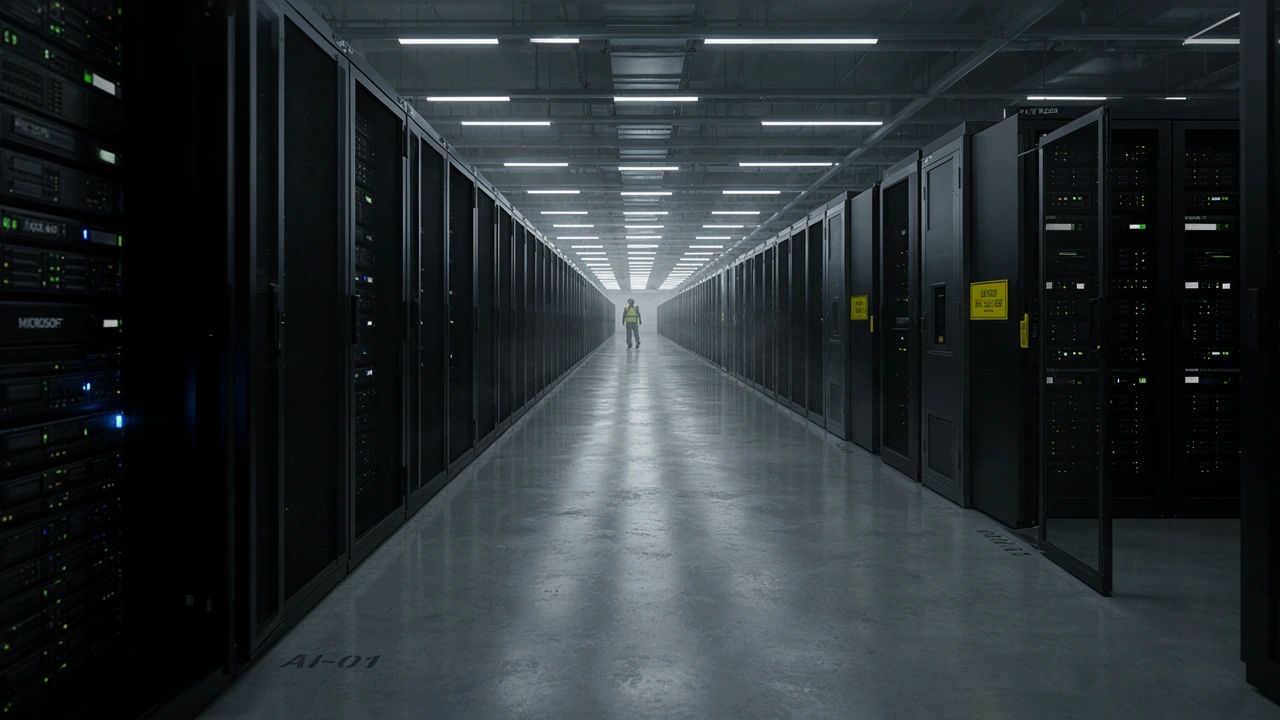
Cloud technology has changed the way businesses deploy and manage digital infrastructure. Instead of depending entirely on physical data centers, enterprises can access computing resources, storage, platforms, and applications according to their changing requirements.
Moreover, cloud environments allow technology teams to experiment more quickly. New applications can be developed and tested without requiring significant upfront infrastructure investments. As a result, businesses can respond faster to market changes while maintaining greater flexibility.
This shift is also reflected in wider Technology insights and IT industry news, where cloud modernization continues to influence enterprise technology planning.
AI Turns Enterprise Data Into Business Value
Cloud infrastructure provides scalability, while AI can help organizations make better use of the information they collect. Artificial intelligence can analyze large datasets, identify patterns, automate repetitive processes, and support faster decision making.
For example, AI can help financial teams identify unusual transactions, marketing teams understand customer behavior, and sales teams recognize potential opportunities. Similarly, HR teams can use intelligent systems to understand workforce trends and support employee planning.
Consequently, AI is moving from experimental projects toward practical business applications across multiple departments.
Digital transformation is increasingly focused on creating connected technology ecosystems rather than simply replacing older systems. Cloud platforms can provide the infrastructure required to integrate applications and data, while AI can add intelligence to those connected environments.
How Cloud and AI Are Reshaping Enterprise Technology Strategies can therefore be seen in the growing emphasis on automation, predictive analytics, intelligent applications, and real time decision support.
Meanwhile, businesses are also becoming more careful about governance, security, and data quality. AI systems depend heavily on reliable information, which means organizations must strengthen their data management practices as they expand their digital capabilities.
Business Functions Are Becoming More Connected
The impact of cloud and AI extends across almost every business function. Marketing teams can use AI driven insights to understand customer preferences and improve campaign performance. This supports Marketing trends analysis and enables companies to create more relevant digital experiences.
Sales teams can use predictive tools to identify prospects and understand buying patterns, supporting more informed Sales strategies and research. Finance departments can benefit from automated reporting, forecasting, and anomaly detection, while Finance industry updates increasingly highlight the importance of intelligent technology in financial operations.
HR departments are also adopting digital platforms that support workforce planning, employee engagement, and talent management. These developments connect technology decisions with broader HR trends and insights.
Security and Responsible Technology Matter More
However, greater dependence on cloud and AI also introduces new responsibilities. Enterprises need strong cybersecurity frameworks, access controls, data governance, and monitoring systems to protect increasingly valuable digital environments.
AI introduces additional considerations around transparency, privacy, and responsible data usage. Therefore, technology strategies need to balance innovation with appropriate controls.
Organizations that treat security and governance as part of technology planning can create stronger foundations for sustainable digital transformation.
The Enterprise Technology Ecosystem Is Evolving
The relationship between cloud and AI is also changing the role of technology teams. IT departments are becoming strategic contributors to business growth rather than functioning only as infrastructure support teams.
Additionally, technology professionals increasingly need skills across cloud architecture, data management, cybersecurity, automation, and AI. This creates opportunities for organizations to invest in training while adapting their workforce strategies to a rapidly changing technology environment.
As technology becomes more deeply integrated into business operations, collaboration between IT and business teams will become increasingly important.
Practical Insights for the Future
The future of enterprise technology will likely focus on flexibility, intelligence, security, and continuous innovation. Cloud platforms can provide the scalable foundation businesses need, while AI can help organizations transform data into useful insights and automated experiences.
How Cloud and AI Are Reshaping Enterprise Technology Strategies ultimately reflects a broader shift in the IT ecosystem. Businesses that approach these technologies as interconnected parts of their digital strategy can create more adaptable operations and respond more effectively to changing customer and market expectations.
The next stage of digital transformation will not simply be about adopting more technology. It will be about connecting technology investments to measurable business outcomes while maintaining security, responsible data practices, and long term innovation.
Explore more expert Technology insights and the latest developments shaping the evolving IT ecosystem on iTechInfoPro.com.