The Rise of Digital Order Management
In today’s connected business environment, organizations are under constant pressure to process orders faster, improve customer experiences, and maintain operational accuracy. As businesses expand across multiple markets, traditional order management methods often struggle to keep pace with growing demand. Therefore, many enterprises are embracing digital platforms that centralize information and automate critical workflows.
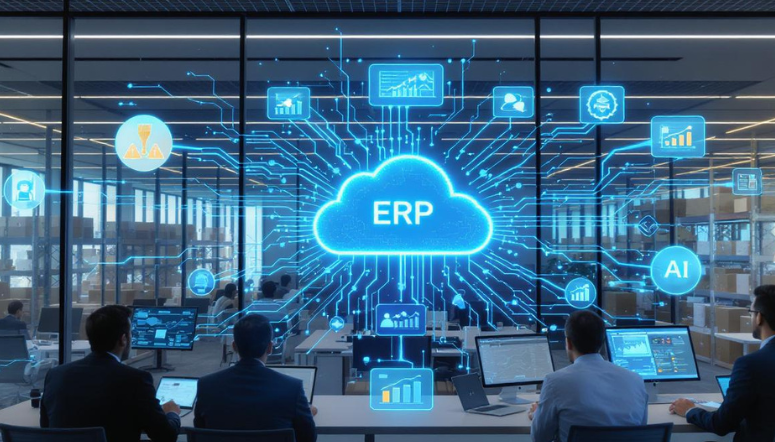
One example of this transformation is how Heineken streamlined orders using an ERP customer portal. By integrating customers, distributors, and internal teams into a unified system, the company enhanced efficiency while supporting broader digital transformation goals. This approach highlights how technology continues to reshape modern business operations.
Why ERP Customer Portals Matter in a Digital Economy
An ERP customer portal serves as a centralized platform that connects business processes, customer interactions, and operational data. Rather than relying on disconnected systems and manual communication channels, organizations can provide stakeholders with real time access to information.
For global enterprises, this capability is particularly valuable. Customers can place orders, track shipments, review account details, and access important updates through a single interface. Moreover, internal teams gain greater visibility into order activity, inventory levels, and customer demand patterns.
As digital transformation accelerates across industries, ERP customer portals have become essential tools for improving operational agility and scalability. Consequently, businesses can respond more effectively to changing market conditions and customer expectations.
How Heineken Streamlined Orders Using an ERP Customer Portal
Managing large volumes of customer orders across diverse markets presents significant challenges. Delays, data inconsistencies, and communication gaps can affect customer satisfaction and operational performance. To address these issues, Heineken adopted a more connected approach through an ERP customer portal.
The platform enabled customers to enter and manage orders directly within the system. As a result, information flowed seamlessly across departments without requiring repetitive manual data entry. This automation reduced processing times and improved overall order accuracy.
Additionally, real time visibility allowed teams to monitor order progress throughout the fulfillment cycle. Consequently, customer inquiries could be addressed more efficiently while ensuring greater transparency across the supply chain.
Enhancing Customer Experience Through Self Service Technology
Customer expectations continue to evolve in the digital era. Businesses are expected to provide immediate access to information while delivering convenient and personalized experiences. Therefore, self service functionality has become an important component of enterprise technology strategies.
Through its ERP customer portal, Heineken empowered customers to access account information and monitor order status independently. Meanwhile, customer service teams were able to focus on more complex requests rather than routine inquiries.
This shift improved responsiveness and strengthened customer relationships. Moreover, it demonstrated how digital platforms can create meaningful value for both businesses and end users.
The Role of Data Integration and Automation
One of the greatest advantages of an ERP customer portal is its ability to unify data from multiple sources. Without integration, organizations often face fragmented information that limits visibility and slows decision making.
Heineken benefited from a centralized environment where order information, inventory data, and customer records were connected in real time. Consequently, departments could collaborate more effectively and operate from a shared source of truth.
Automation further enhanced efficiency by reducing repetitive administrative tasks. Similarly, workflow automation minimized the risk of human error while ensuring consistent data quality across business operations.
These developments reflect broader Technology insights showing how integrated systems drive productivity and support enterprise innovation.
Supporting Digital Transformation Across the Organization
Digital transformation extends beyond technology adoption. It involves creating connected ecosystems that improve communication, collaboration, and decision making throughout the organization.
The implementation of an ERP customer portal contributed to a more agile operating model. Employees gained faster access to relevant information while managers benefited from improved reporting capabilities. As a result, strategic decisions could be made with greater confidence and accuracy.
This trend aligns closely with recent IT industry news highlighting the increasing role of intelligent business platforms in enterprise modernization efforts. Organizations that embrace these technologies are often better positioned to compete in rapidly evolving markets.
The Impact on Business Intelligence and Analytics
Data has become one of the most valuable assets in modern enterprises. However, collecting information alone is not enough. Businesses must also transform data into actionable insights that support growth and innovation.
By centralizing operational information, Heineken gained enhanced visibility into customer behavior, order trends, and performance metrics. Therefore, leaders could identify opportunities for optimization and make more informed decisions.
Moreover, advanced analytics capabilities supported forecasting and resource planning. This data driven approach continues to influence Finance industry updates as organizations seek greater efficiency and profitability through intelligent technology investments.
Technology Innovation Beyond Order Processing
The value of an ERP customer portal extends far beyond managing transactions. Connected platforms often serve as foundations for broader innovation initiatives that improve business performance across multiple functions.
For example, insights generated through digital systems can support Sales strategies and research by revealing customer purchasing patterns and emerging market opportunities. Additionally, operational data can contribute to Marketing trends analysis by helping organizations better understand audience behavior and engagement.
Similarly, workforce productivity improvements often complement ongoing HR trends and insights focused on collaboration, employee experience, and digital workplace transformation. These interconnected benefits demonstrate the growing importance of integrated technology ecosystems.
What Businesses Can Learn from This Approach
Organizations exploring digital transformation can draw several lessons from Heineken’s experience. First, investing in connected systems creates greater visibility across operations and improves collaboration between stakeholders. Furthermore, automation helps eliminate inefficiencies that often slow business growth.
Equally important is the focus on customer experience. Businesses that provide convenient self service capabilities are often able to improve satisfaction while reducing operational workloads. In contrast, organizations that rely heavily on manual processes may struggle to meet rising customer expectations.
As technology continues to evolve, ERP customer portals are expected to become even more intelligent through artificial intelligence, predictive analytics, and advanced automation capabilities. Consequently, companies that embrace digital innovation today will be better prepared for future opportunities.
Future Outlook and Practical Takeaways
The success of modern digital transformation initiatives increasingly depends on an organization’s ability to connect people, processes, and technology within a unified ecosystem. ERP customer portals represent an important step toward achieving this goal by improving visibility, efficiency, and customer engagement.
Looking ahead, advancements in cloud computing, artificial intelligence, and data analytics will continue expanding the capabilities of these platforms. Therefore, businesses should view ERP investments not simply as operational tools but as strategic assets that support long term innovation and competitive advantage.
Explore more expert Technology insights, digital transformation trends, and enterprise innovation stories with iTechInfoPro.
Stay informed with the latest IT industry news and practical knowledge shaping the future of technology driven business success.