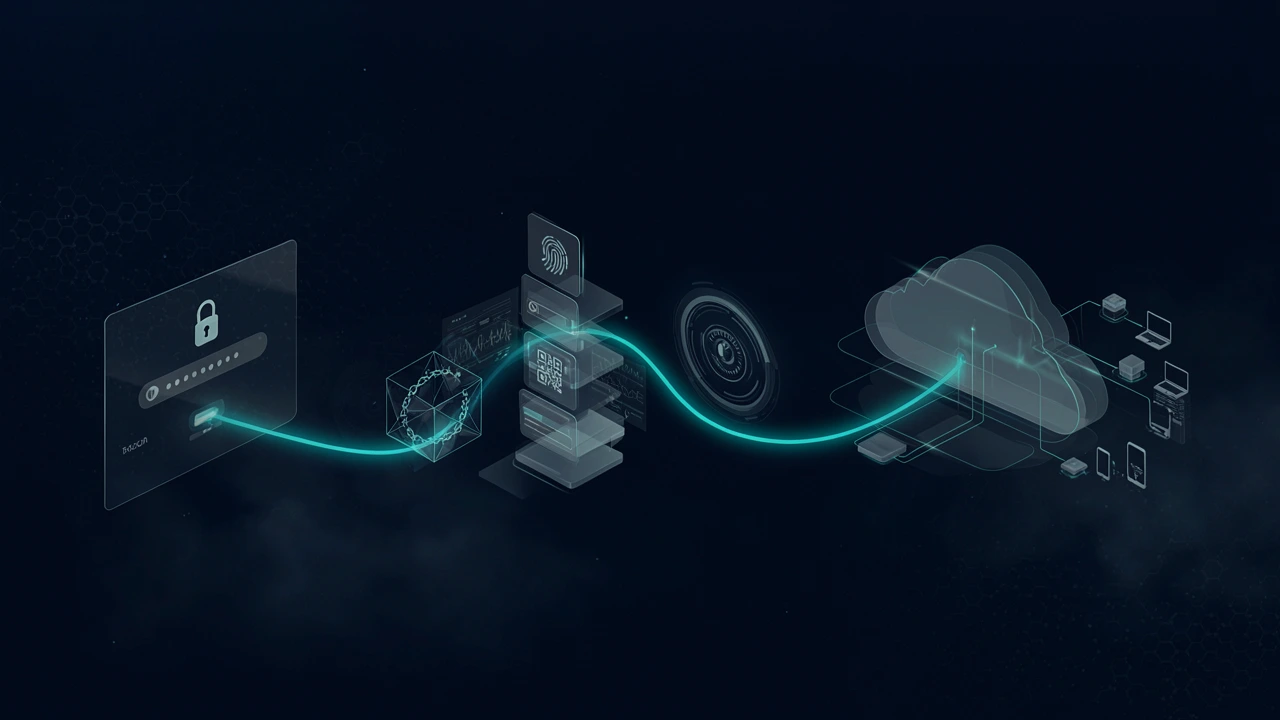
Software development is undergoing a major transformation as artificial intelligence tools become deeply embedded in everyday workflows. While organizations are investing heavily in automation and digital transformation, a parallel trend is emerging quietly in the background known as Shadow AI and the new visibility gap in software development. This refers to the uncontrolled use of AI tools by developers outside officially approved systems, creating blind spots in how software is designed and delivered.
As companies race to improve speed and efficiency, developers increasingly rely on generative AI tools to write code, debug errors, and generate solutions. However, this convenience comes at a cost. Many of these interactions remain undocumented, making it difficult for leadership teams to fully understand how software is being built. Moreover, this shift is reshaping technology insights and forcing enterprises to rethink their visibility frameworks.
Why Shadow AI Is Becoming a Business Concern
The growing presence of Shadow AI and the new visibility gap in software development is not just a technical issue but a business challenge. Organizations depend on clear workflows to ensure quality, security, and compliance. When AI tools operate outside these workflows, visibility begins to break down.
Additionally, IT industry news has increasingly highlighted cases where AI generated code introduces inconsistencies or vulnerabilities that are difficult to trace. While developers may be improving productivity, managers often lack clarity on where and how AI influenced the final output. Consequently, organizations face uncertainty in measuring performance and maintaining accountability.
This hidden layer of AI usage creates a disconnect between perceived progress and actual control. Therefore, businesses must now reconsider how they define oversight in modern engineering environments.
The Governance Challenge in AI Assisted Development
Traditional governance systems were built for structured environments where every code change is tracked within centralized platforms. However, Shadow AI and the new visibility gap in software development disrupt this structure by introducing external AI tools that bypass standard logging systems.
Additionally, HR trends and insights show that employees are adopting AI tools independently to enhance productivity. While this reflects innovation at the individual level, it creates challenges for enterprise governance. Policies often fail to keep up with rapid adoption, leaving organizations struggling to enforce consistent standards.
Moreover, industries influenced by finance industry updates face even higher risks. Regulatory compliance requires full audit trails, and missing AI generated contributions can lead to gaps in reporting and accountability. As a result, governance must evolve to include AI activity tracking as a core requirement rather than an optional feature.
Impact on Engineering Efficiency and Code Quality
At first glance, Shadow AI and the new visibility gap in software development appears to improve efficiency. Developers can produce code faster, solve problems more quickly, and reduce repetitive tasks. However, beneath this efficiency lies a more complex reality.
When AI generated code is introduced without oversight, inconsistencies can emerge in architecture, formatting, and logic. Over time, this leads to technical debt that becomes harder to manage. Additionally, teams may struggle to maintain consistent coding standards across projects.
Meanwhile, managers may misinterpret productivity metrics, assuming faster output equals higher efficiency. In reality, unseen AI assistance can distort performance evaluation, making it difficult to identify skill gaps or training needs. This directly impacts long term software quality and maintainability.
Broader Business Implications Beyond IT Teams
The influence of Shadow AI and the new visibility gap in software development extends far beyond engineering departments. Sales strategies and research functions depend on accurate product information and stable system behavior. When AI influenced code changes are not properly documented, misalignment can occur between what is built and what is communicated to customers.
Similarly, Marketing trends analysis can be affected when product features change without clear visibility. Campaigns may rely on outdated or incomplete information, resulting in inconsistent messaging and reduced customer trust.
Additionally, leadership teams using Technology insights for strategic decisions may face challenges if AI driven changes are not clearly recorded. This can lead to gaps in understanding system performance, user behavior, and product reliability.
Traditional monitoring systems were designed for environments where all development activity is centralized and traceable. However, Shadow AI and the new visibility gap in software development introduces decentralized intelligence that operates outside these systems.
Consequently, organizations find it increasingly difficult to determine the origin of code changes. It becomes unclear whether a feature was fully designed by humans, partially influenced by AI, or entirely generated by external tools. This lack of clarity affects debugging, auditing, and long term maintenance.
In contrast, modern development ecosystems require advanced visibility frameworks that can capture both human and AI contributions without slowing down innovation. This is becoming essential as organizations scale their digital transformation efforts.
Building a Transparent AI Driven Development Culture
Addressing Shadow AI and the new visibility gap in software development requires a combination of cultural awareness and technical solutions. Organizations must encourage responsible AI usage while ensuring that approved tools are integrated into official workflows.
Additionally, embedding AI usage tracking into development environments can help restore visibility. This allows teams to understand when and how AI tools are being used without restricting developer flexibility. As a result, transparency and productivity can coexist.
Moreover, HR trends and insights suggest that companies must invest in continuous training programs focused on AI literacy. Developers need to understand not only how to use AI tools effectively but also how to use them responsibly within organizational guidelines.
The Role of AI in Future Software Ecosystems
As AI becomes more deeply integrated into software engineering, Shadow AI and the new visibility gap in software development will continue to evolve. Organizations can no longer treat AI as an external enhancement but must recognize it as part of the core development process.
Furthermore, aligning governance models with IT industry news ensures that businesses remain aware of emerging risks and best practices. This helps them adapt policies in real time as technology continues to change.
Additionally, combining insights from Technology insights with operational data allows organizations to make more informed decisions about tool adoption, workflow design, and system architecture.
Future Outlook for Software Visibility and AI Governance
The future of software development will be defined by how well organizations manage the balance between innovation and visibility. Shadow AI and the new visibility gap in software development highlights the need for systems that can track AI influence without slowing down progress.
Companies that successfully adapt will create stronger governance frameworks that support both human creativity and machine intelligence. This will improve security, enhance accountability, and ensure long term sustainability of software systems.
Moreover, as digital ecosystems expand, transparency will become a competitive advantage. Organizations that can clearly understand how their software is built will be better positioned to innovate confidently and respond quickly to market changes.
ITechInfoPro provides valuable content, insights, analysis, and resources that support business technology leaders in making informed purchasing decisions.
Source – itpro.com