The Role of ERP in Modern Technology Ecosystems
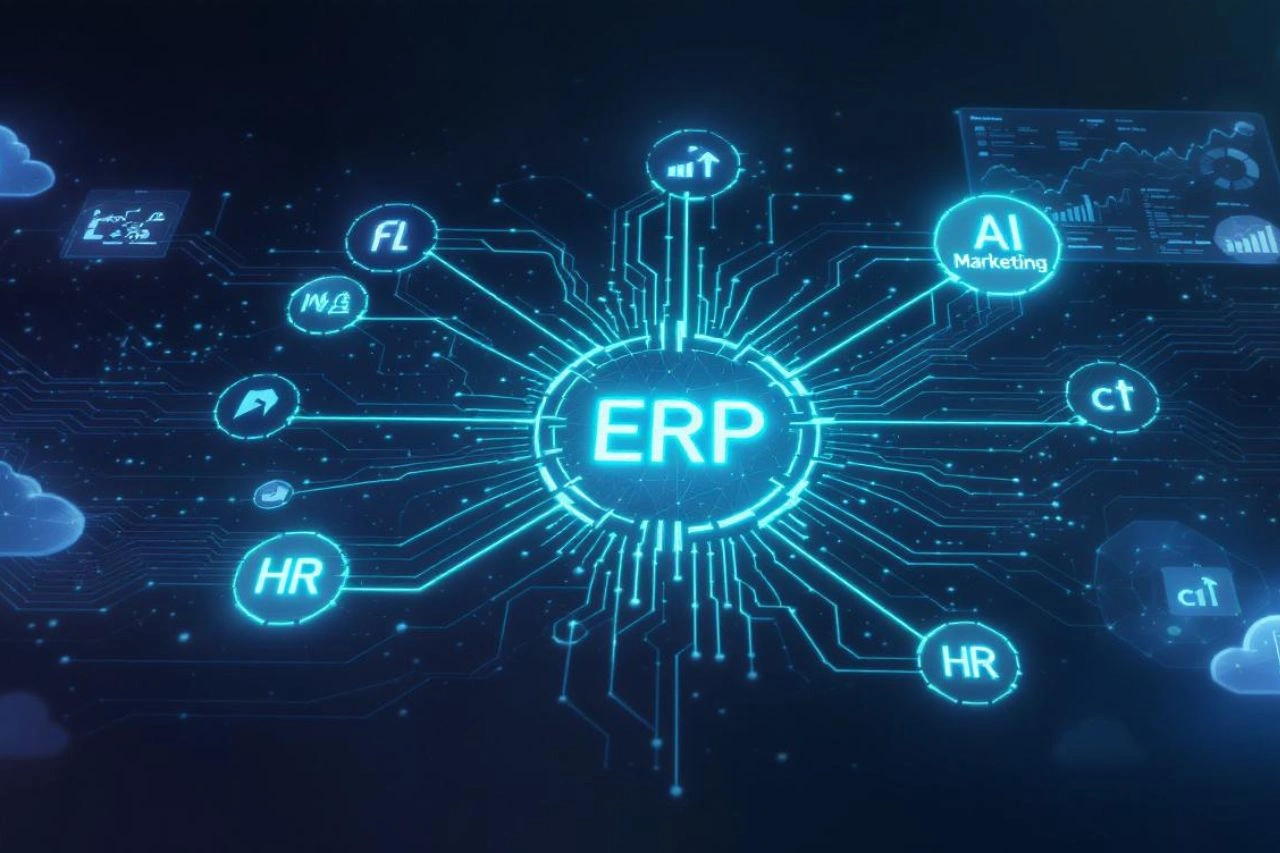
Enterprise Resource Planning systems have evolved beyond traditional accounting and inventory management. Today, modern ERP platforms act as the backbone of integrated IT ecosystems. They allow organizations to unify operations, monitor performance in real time, and make data-driven decisions.
For technology leaders, ERP integration provides better visibility and control. As a result, businesses can align operations with changing market demands. In addition, integrating systems reduces redundancies and improves collaboration across IT, finance, HR, and marketing teams.
Enhancing HR and Workforce Management
ERP integration also transforms human resources management. HR teams gain access to centralized employee data and streamlined payroll processes. Moreover, they can use advanced analytics to support workforce planning and talent management.
With these insights, HR professionals can identify trends and improve recruitment strategies. Consequently, organizations build a more productive work environment. At the same time, HR initiatives align better with overall business goals.
Streamlining Finance and Operational Efficiency
Finance teams benefit significantly from ERP integration. They gain access to accurate, real-time financial reporting and automated compliance processes. In addition, ERP systems improve cash flow management and reduce manual errors.
By connecting financial data with operations, businesses can make smarter decisions. Furthermore, executives gain clear visibility into financial performance. This alignment supports a more agile and responsive organization.
Supporting Sales and Marketing Strategies
ERP integration also enhances sales and marketing efforts. Centralized data helps sales teams track leads and understand customer behavior. As a result, they can create more targeted strategies.
Similarly, marketing teams can use ERP insights to refine campaigns and measure ROI. Moreover, integrated systems break down departmental silos. This creates a unified approach to customer engagement and drives revenue growth.
ERP integration is not just about efficiency—it also drives innovation. With integrated systems, businesses can adopt technologies like AI, predictive analytics, and cloud computing more easily.
Therefore, organizations can respond quickly to market changes. This flexibility is essential in today’s fast-moving IT landscape. Companies that embrace ERP integration gain a strong competitive advantage and improve customer experiences.
Overcoming Challenges in ERP Implementation
Despite its benefits, ERP integration comes with challenges. Organizations must address system complexity, data migration, and change management.
However, success depends on strong leadership and cross-team collaboration. In addition, clear goals help ensure smooth implementation. By planning effectively, businesses can maximize the value of ERP investments.
As businesses evolve, ERP integration will remain a core part of digital transformation. It connects technology, HR, finance, sales, and marketing into a unified system.
Because of this, organizations can make smarter decisions and improve efficiency. Furthermore, integrated systems support long-term innovation and growth. Companies that adopt ERP solutions will adapt faster and stay competitive.
Conclusion
ERP integration is no longer optional. Instead, it has become a strategic necessity for modern enterprises. Organizations that prioritize integration gain better efficiency, innovation, and responsiveness.
Although the path to digital transformation can be complex, ERP systems simplify the journey. Ultimately, they help businesses unlock new opportunities and achieve sustainable growth.