Organizations have never had more visibility into their digital environments. Advanced security tools powered by artificial intelligence can scan applications, cloud platforms, endpoints, and networks in minutes, uncovering thousands of vulnerabilities that once took weeks to identify. While this progress has improved security awareness, it has also introduced a new challenge. Finding Every Flaw Is Easy Prioritizing Risks Is Hard because the growing volume of security findings often exceeds the capacity of teams responsible for resolving them.
Moreover, businesses are expanding their digital operations faster than ever. As a result, security professionals must determine which vulnerabilities require immediate action and which can be addressed through planned maintenance. The ability to make this distinction has become a defining factor in successful cybersecurity programs.
More Visibility Does Not Always Mean Better Security
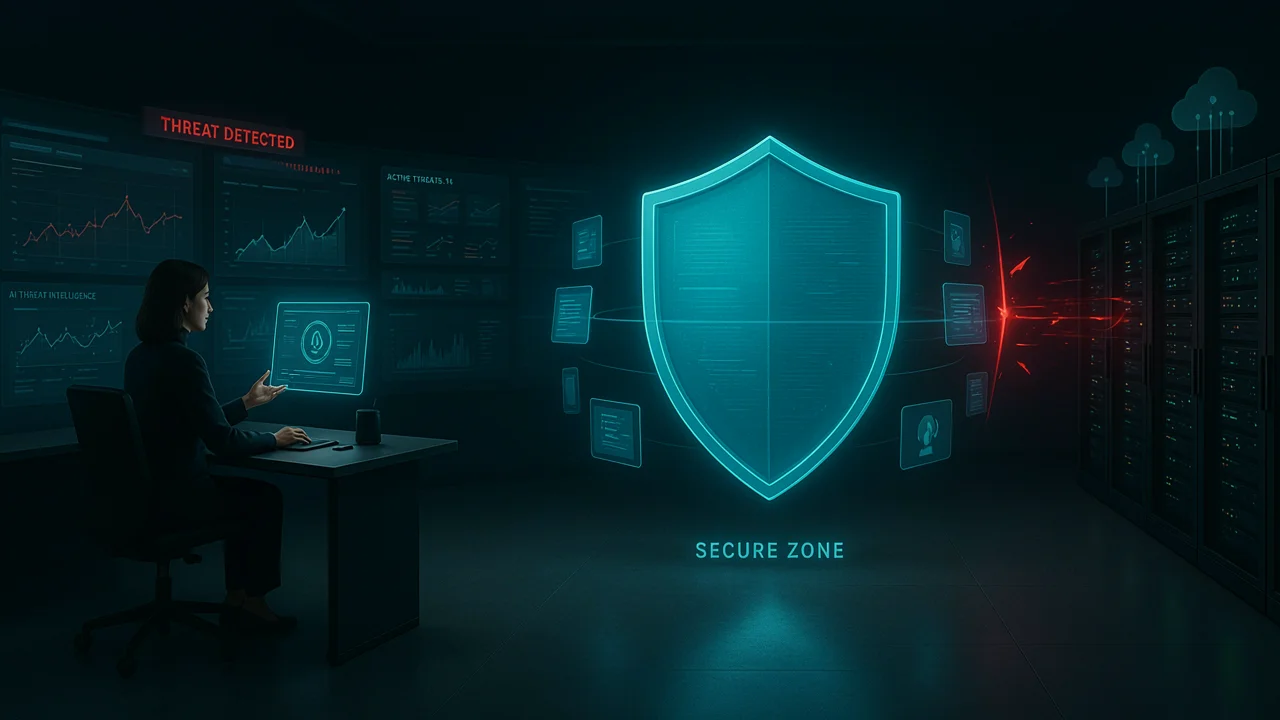
Finding vulnerabilities is no longer the difficult part of cybersecurity. Modern scanning platforms continuously identify software weaknesses, configuration errors, exposed assets, and compliance gaps. However, an overwhelming number of alerts can quickly create confusion rather than clarity.
Consequently, security analysts may spend valuable time investigating issues that have little business impact while more significant threats remain unresolved. This situation creates alert fatigue and slows response times. Therefore, organizations must adopt smarter approaches that focus on risk rather than simply counting vulnerabilities.
Why Risk Context Changes Everything
Every vulnerability carries a different level of importance depending on where it exists and how it could affect the business. A critical flaw in a public facing customer portal presents far greater risk than the same flaw in an isolated internal testing environment. Similarly, weaknesses affecting financial systems or sensitive customer information deserve greater attention than those impacting low priority assets.
Modern security platforms increasingly combine technical severity with contextual intelligence. They evaluate factors such as asset value, business importance, user access, existing security controls, and exploit likelihood. As a result, organizations gain a clearer understanding of where limited resources should be focused first.
Artificial Intelligence Supports Better Decision Making
Artificial intelligence continues to reshape cybersecurity by moving beyond detection into intelligent analysis. Rather than producing long lists of technical findings, AI platforms now identify attack paths, correlate related vulnerabilities, and estimate the potential business impact of security incidents.
Moreover, these capabilities enable security teams to work more efficiently. Instead of reacting to every alert with equal urgency, they can concentrate on the vulnerabilities most likely to disrupt operations. Consequently, organizations improve remediation speed while reducing unnecessary effort across security teams.
Digital Transformation Demands Smarter Prioritization
Digital transformation continues to connect people, applications, and business services across increasingly complex environments. Cloud computing, remote work, connected devices, and automation have expanded the attack surface for organizations in every industry.
However, greater connectivity also increases the importance of effective prioritization. Businesses that align cybersecurity decisions with operational priorities can better protect critical services without slowing innovation. Additionally, security leaders are expected to communicate risks in language that business executives understand, strengthening collaboration across departments.
Keeping pace with Technology insights helps organizations understand emerging innovations and evolving cybersecurity practices. At the same time, following trusted IT industry news provides valuable awareness of new threats, technology developments, and changing regulatory expectations.
Technology Decisions Influence Every Business Function
Cybersecurity is no longer limited to information technology departments. Secure digital operations directly influence workforce productivity, customer confidence, financial stability, and long term business growth.
Meanwhile, organizations increasingly rely on HR trends and insights to build skilled cybersecurity teams capable of managing evolving technologies. Business leaders also monitor Finance industry updates when balancing cybersecurity investments with operational priorities. Furthermore, secure customer experiences support stronger Sales strategies and research, while reliable digital platforms contribute to more effective Marketing trends analysis through trusted customer engagement and data protection.
Human Expertise Remains Essential
Although AI delivers remarkable speed and analytical power, technology alone cannot replace experienced professionals. Security specialists understand business objectives, compliance requirements, operational priorities, and organizational risk tolerance in ways that automated systems cannot fully interpret.
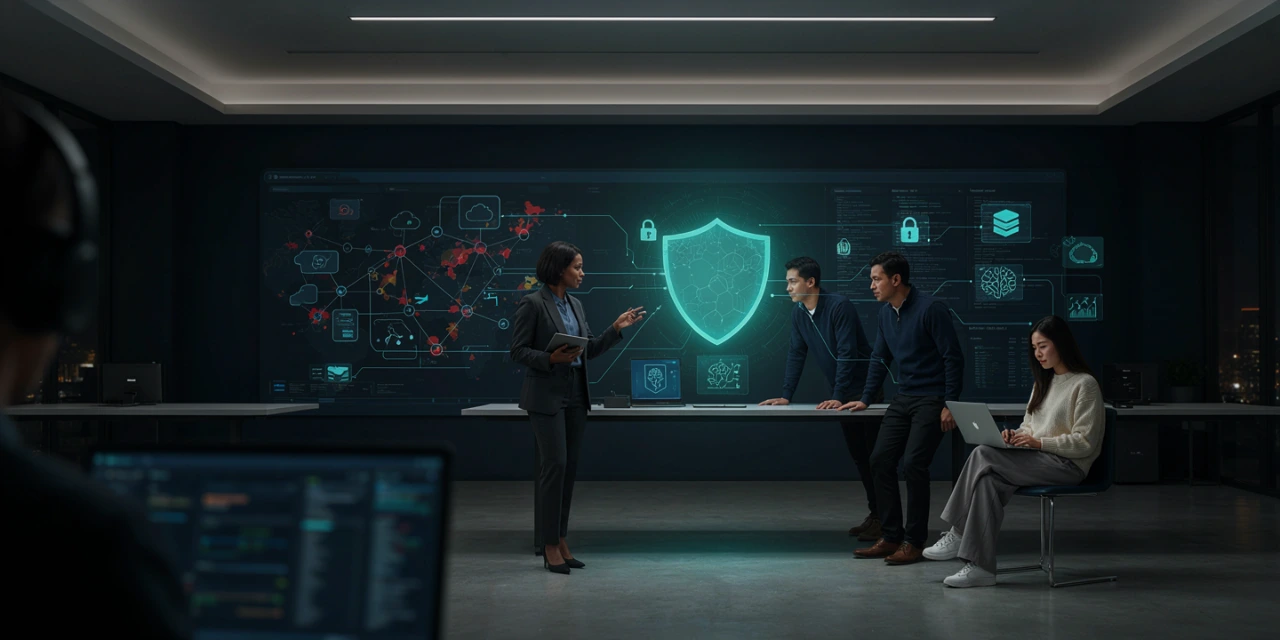
Therefore, successful organizations combine intelligent automation with human expertise. This balanced approach allows teams to validate recommendations, consider business context, and make informed decisions that support both innovation and resilience.
Looking Ahead at Smarter Cyber Risk Management
The future of cybersecurity will depend less on discovering additional vulnerabilities and more on understanding which risks truly matter. Organizations that combine artificial intelligence, contextual analysis, and experienced decision making will respond faster to emerging threats while making better use of available resources.
Moreover, as digital ecosystems continue to expand, prioritization will become an even more valuable capability. Businesses that focus on meaningful risk reduction instead of overwhelming alert volumes will strengthen resilience, improve operational efficiency, and create a stronger foundation for long term digital transformation.
Explore more expert Technology insights and practical innovation coverage with iTechInfoPro.com.
Stay informed with trusted analysis that helps you navigate the evolving IT ecosystem with confidence and clarity.