In today’s rapidly evolving business landscape, technology is at the core of every successful enterprise. Companies are increasingly adopting digital solutions to stay competitive, improve efficiency, and create a seamless workflow across departments. Among these solutions, ERP integration has emerged as a crucial component that enables organizations to achieve meaningful digital transformation. By connecting business processes and centralizing data, ERP systems empower enterprises to operate more efficiently while supporting innovation and strategic growth.
The Role of ERP in Modern Technology Ecosystems
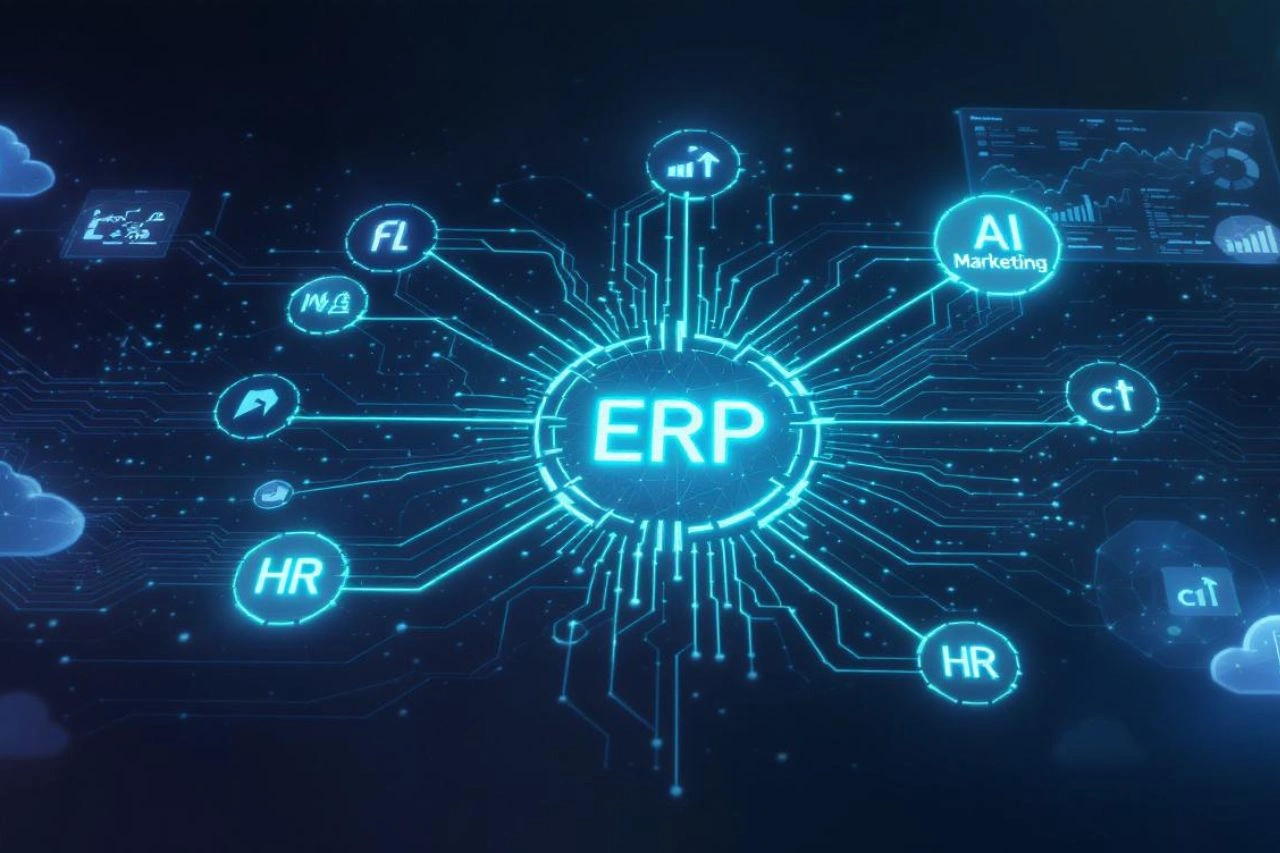
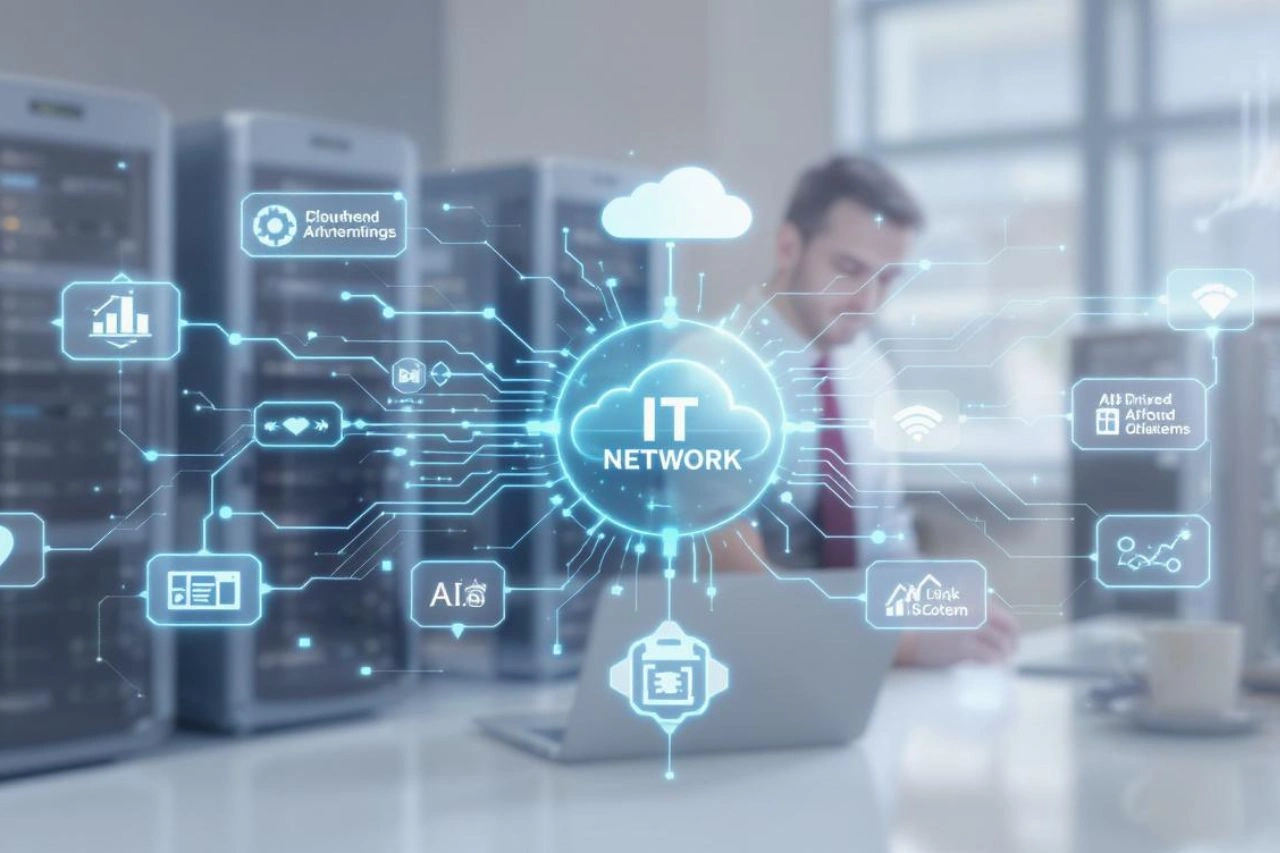
Enterprise Resource Planning systems have evolved far beyond traditional accounting and inventory management. Modern ERP platforms now serve as the backbone of an integrated IT ecosystem, allowing organizations to unify operations, monitor performance in real time, and make data-driven decisions. For technology professionals and decision-makers, ERP integration provides the visibility and control needed to align business operations with evolving market demands. By integrating disparate systems, companies can reduce redundancies and enhance collaboration between IT, finance, HR, and marketing departments.
Enhancing HR and Workforce Management
ERP integration also plays a transformative role in human resources management. HR departments gain access to consolidated employee data, streamlined payroll processes, and advanced analytics to support workforce planning and talent management. Insights derived from integrated ERP systems allow HR professionals to identify trends, optimize recruitment strategies, and foster a more productive work environment. Consequently, organizations can respond faster to workforce challenges while aligning HR initiatives with broader business objectives.
Streamlining Finance and Operational Efficiency
Finance teams benefit immensely from ERP integration through accurate and real-time financial reporting, automated compliance checks, and improved cash flow management. By connecting financial data with operational metrics, organizations can make more informed decisions that impact profitability and growth. Furthermore, integrated ERP solutions reduce manual errors, improve audit readiness, and provide executives with clear visibility into the organization’s financial health. This synergy between finance and operations supports a more agile and responsive enterprise structure.
Supporting Sales and Marketing Strategies
The impact of ERP integration extends to sales and marketing as well. Centralized data allows sales teams to track leads, analyze customer behavior, and implement targeted strategies based on actionable insights. Marketing professionals can leverage ERP-generated analytics to refine campaigns, measure ROI, and align initiatives with current market trends. By breaking down silos between departments, ERP systems enable a cohesive approach to customer engagement, driving both revenue growth and brand loyalty.
At its core, ERP integration is about more than efficiency—it is a driver of innovation. Enterprises equipped with integrated systems can quickly adapt to emerging technologies such as artificial intelligence, predictive analytics, and cloud computing. This flexibility is critical in an IT industry that constantly evolves and in markets where agility defines success. Companies that embrace ERP integration as part of their digital transformation journey position themselves to leverage new opportunities, enhance customer experiences, and maintain a competitive edge.
Overcoming Challenges in ERP Implementation
While the benefits of ERP integration are clear, implementation is not without challenges. Organizations must consider the complexity of existing systems, data migration, and change management to ensure a smooth transition. Successful integration requires collaboration across departments, strong leadership, and a clear understanding of organizational goals. By addressing these challenges proactively, enterprises can maximize the value of ERP systems and ensure that technology investments translate into measurable business outcomes.
As enterprises continue to navigate the complexities of the modern business environment, ERP integration will remain a cornerstone of digital transformation strategies. By connecting technology, HR, finance, sales, and marketing operations, ERP systems provide a foundation for smarter decision-making, operational efficiency, and innovation. Companies that embrace integrated solutions will be better positioned to respond to market changes, deliver value to customers, and drive sustainable growth.
In conclusion, ERP integration is no longer an optional tool but a strategic necessity for enterprises seeking to thrive in a digitally driven world. Organizations that prioritize seamless integration and leverage the insights from interconnected systems will gain a significant advantage in efficiency, innovation, and market responsiveness. The path to digital transformation is complex, but with ERP as a central enabler, enterprises can achieve meaningful progress while unlocking new opportunities for growth and success.
iTechInfoPro provides insightful content, analysis, and resources that guide business technology leaders in making informed purchasing decisions.