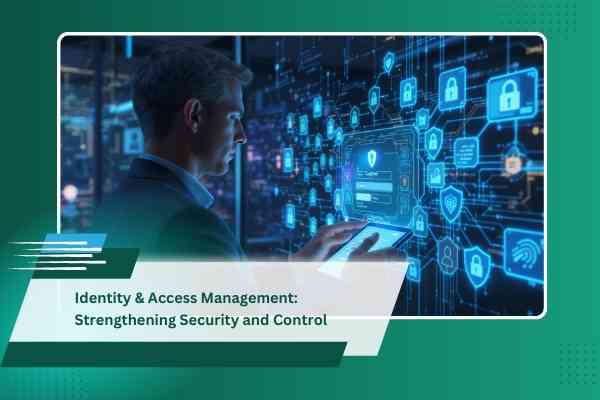
In today’s digital-first world, organizations face increasing pressure to safeguard sensitive data while providing seamless access to users. Identity & Access Management is at the heart of this challenge. It defines how users are identified, authenticated, and granted access to systems and resources. A well-implemented system ensures that the right people have access to the right resources at the right time.
Organizations are no longer restricted to on-premises applications. Cloud services, mobile devices, and third-party platforms have expanded the attack surface. This makes it crucial for businesses to have robust frameworks that manage identities effectively. Identity & Access Management bridges the gap between security and convenience, helping organizations protect critical assets without compromising user experience.
Understanding Identity & Access Management
At its core, Identity & Access Management focuses on ensuring that access to information is tightly controlled and monitored. The system manages digital identities, defines roles, and sets access permissions based on an individual’s responsibilities and requirements.
Modern Identity & Access Management is no longer just about usernames and passwords. It incorporates sophisticated techniques such as multi-factor authentication, biometrics, and single sign-on capabilities to verify identities. By providing centralized management, it allows IT teams to enforce security policies consistently across multiple platforms.
How Organizations Benefit
The benefits of implementing Identity & Access Management extend beyond security. It provides a structured approach to managing users and their access, which simplifies compliance with data protection regulations. Organizations can track who accessed what information, when, and from where, making audits more efficient and less prone to errors.
With automated user provisioning and de-provisioning, businesses can easily onboard new employees and remove access for those who leave the organization. This minimizes the risk of unauthorized access while reducing administrative workload. Additionally, seamless access improves productivity by ensuring employees can use necessary resources without unnecessary delays.
The Role of Authentication and Authorization
Authentication and authorization are central elements of Identity & Access Management. Authentication verifies a user’s identity, often through a combination of passwords, tokens, or biometric methods. Authorization determines what resources a verified user can access.
This dual approach ensures that even if one layer is compromised, another layer continues to protect sensitive systems. For organizations, this layered security is essential in preventing breaches, especially in industries that handle highly confidential data such as healthcare, finance, and government sectors.
Single Sign-On and User Experience
User experience is a critical factor in the success of Identity & Access Management. Single sign-on (SSO) enables users to access multiple applications using a single set of credentials. This eliminates the need to remember multiple passwords and reduces the likelihood of password fatigue, which is a common vulnerability in cybersecurity.
SSO also allows IT teams to monitor and control access more efficiently. By consolidating login processes, organizations can detect unusual activity quickly, such as access attempts from unexpected locations or devices, thereby reinforcing security.
Monitoring and Reporting for Compliance
A strong Identity & Access Management framework includes monitoring and reporting features that provide visibility into user activities. Audit trails record every access event, allowing organizations to comply with regulatory requirements and respond to potential security incidents promptly.
Continuous monitoring also helps in identifying unusual patterns that may indicate security threats. Organizations can use this data to refine access policies, improve user education, and strengthen overall defenses against cyberattacks.
Adapting to Cloud and Hybrid Environments
As organizations adopt cloud solutions, Identity & Access Management plays a critical role in bridging on-premises and cloud infrastructures. It provides centralized identity control, ensuring that access rules are consistently applied regardless of where resources reside.
This adaptability is especially valuable in hybrid environments where applications and data are spread across multiple platforms. Effective Identity & Access Management ensures that employees, partners, and customers can access necessary resources securely, while IT teams maintain control over the organization’s digital environment.
The Future of Identity & Access Management
With the rapid evolution of technology, Identity & Access Management is becoming more intelligent. AI and machine learning are being integrated to analyze access patterns, detect anomalies, and automate risk mitigation. This proactive approach enhances security while reducing the burden on IT teams.
Organizations are also increasingly prioritizing privacy and compliance. Identity & Access Management will continue to evolve to meet stringent regulatory standards while providing a seamless user experience. The future of digital security relies on solutions that can adapt quickly to new threats and changing business needs.
ITechInfoPro provides essential content, insights, analysis, and references that guide business technology leaders in making informed decisions during their purchasing process.