

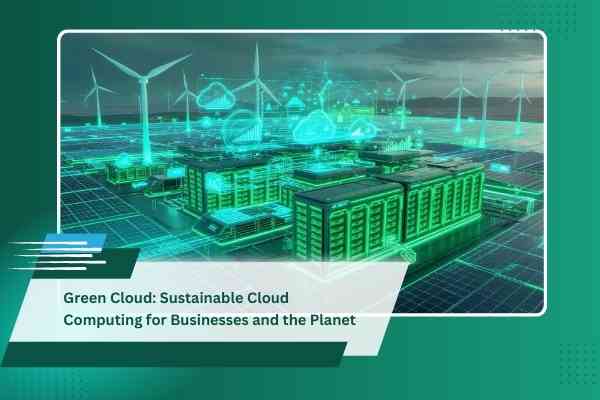
As businesses increasingly rely on cloud computing, the environmental impact of data centers has become a major concern. Energy consumption, carbon emissions, and electronic waste from traditional cloud infrastructure are rising globally. Green cloud offers a solution by combining cloud computing with environmentally friendly practices. Adopting a green cloud strategy enables organizations to reduce their carbon footprint while benefiting from scalable and efficient IT solutions.
Green cloud refers to cloud computing services designed to minimize environmental impact. This includes using energy-efficient hardware, optimizing data center operations, and integrating renewable energy sources. Unlike traditional cloud systems, green cloud focuses on sustainability without compromising performance or scalability. Companies leveraging green cloud can achieve both operational efficiency and corporate social responsibility goals.
The Importance of Green Cloud
The growing demand for cloud services has led to increased energy usage in data centers, contributing to greenhouse gas emissions. Green cloud addresses this challenge by promoting energy-efficient computing practices. It ensures that IT operations consume less power, reduce cooling requirements, and utilize renewable energy whenever possible. Implementing green cloud solutions aligns business operations with sustainability initiatives and environmental regulations.
Adopting green cloud is not only environmentally responsible but also economically beneficial. Energy-efficient cloud infrastructures lower operational costs by reducing electricity consumption. Organizations using green cloud solutions can optimize server utilization, scale workloads dynamically, and avoid unnecessary resource wastage. Over time, these efficiencies translate into significant cost savings while promoting a greener footprint.
Key Features of Green Cloud
Green cloud encompasses multiple features aimed at improving sustainability in IT operations. Energy-efficient servers and storage devices consume less power while maintaining high performance. Virtualization technology reduces the number of physical servers needed, optimizing resource utilization. Intelligent workload management ensures that computing resources are allocated efficiently, minimizing idle time and energy consumption.
Renewable energy integration is another critical feature of green cloud. Data centers powered by solar, wind, or hydroelectric energy contribute to a lower carbon footprint. Some providers purchase renewable energy credits to offset their emissions, making their operations more environmentally friendly. By leveraging these features, organizations can enjoy the benefits of cloud computing while supporting sustainability goals.
Benefits of Green Cloud for Businesses
Green cloud offers several advantages beyond environmental responsibility. Businesses experience improved efficiency through optimized resource usage, which leads to faster processing times and reliable performance. By reducing energy costs and physical hardware requirements, companies can achieve higher ROI on their IT investments. Green cloud also enhances brand reputation by demonstrating a commitment to sustainability, which is increasingly valued by customers, investors, and partners.
Scalability is another benefit of green cloud solutions. Organizations can adjust their cloud resources based on demand, ensuring optimal utilization without wasting energy. This flexibility supports business growth while maintaining environmentally responsible practices. Companies adopting green cloud strategies can innovate confidently, knowing that their operations are both sustainable and efficient.
Green Cloud and Regulatory Compliance
Regulatory compliance is becoming increasingly important for businesses worldwide. Environmental laws, data privacy regulations, and energy consumption standards impact cloud operations. Green cloud helps organizations meet these requirements by providing energy-efficient and environmentally responsible solutions. Companies that adopt green cloud practices can reduce the risk of non-compliance penalties and align their IT operations with global sustainability standards.
Additionally, some governments offer incentives for businesses that implement energy-efficient technologies. By adopting green cloud solutions, organizations may qualify for tax breaks, grants, or subsidies. These benefits further encourage companies to integrate sustainable cloud computing into their operations while contributing positively to the environment.
Technologies Supporting Green Cloud
Several technologies enable green cloud computing to function effectively. Virtualization reduces the need for physical hardware by running multiple virtual machines on a single server. Cloud orchestration tools manage workloads efficiently, ensuring that resources are allocated based on demand. Advanced cooling systems in data centers lower energy consumption while maintaining optimal operating conditions for servers.
Artificial intelligence and machine learning are also being applied in green cloud strategies. AI can analyze resource usage patterns, predict workloads, and optimize energy consumption. By leveraging these technologies, data centers can operate efficiently, reduce costs, and support sustainable practices without sacrificing performance.
Implementing Green Cloud Strategies
Organizations looking to adopt green cloud should start by assessing their current IT infrastructure and energy usage. Identifying areas for improvement allows businesses to implement solutions that maximize efficiency and reduce environmental impact. Partnering with green cloud providers ensures access to sustainable technologies, renewable energy sources, and expertise in optimizing cloud operations.
Businesses can also encourage employees to follow best practices for sustainable cloud usage, such as optimizing storage, shutting down idle virtual machines, and leveraging automated scaling. Combining organizational policies with technological solutions ensures that green cloud initiatives are effective and measurable.
Future of Green Cloud Computing
The future of cloud computing is closely tied to sustainability. As environmental concerns grow, more organizations are expected to adopt green cloud solutions. Innovations in energy-efficient hardware, AI-driven resource management, and renewable energy integration will continue to make green cloud more accessible and impactful. Businesses that embrace green cloud early will gain competitive advantages, reduce operational costs, and contribute positively to global sustainability efforts.
iTechInfoPro provides essential insights, data, and analysis to guide business technology leaders in making informed purchasing decisions.