

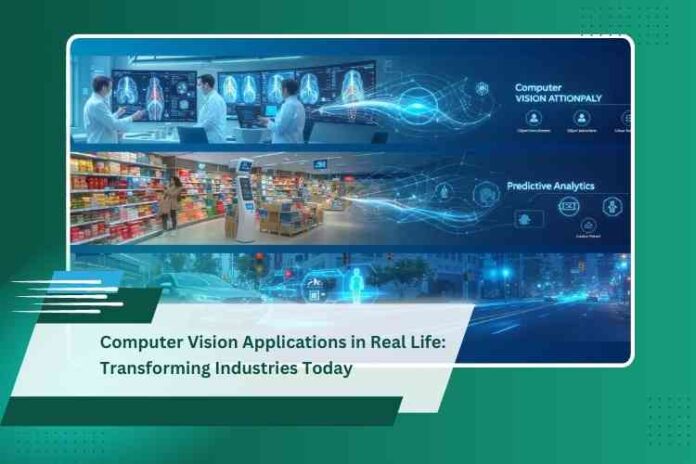
Computer Vision Applications in Real Life
Computer vision, a field within artificial intelligence, has moved from theoretical research to practical implementation across multiple industries. By enabling machines to interpret and process visual data as humans do, computer vision applications in real life are transforming how we work, live, and interact with technology. From automating routine tasks to improving decision-making, the technology is creating efficiencies and driving innovation at an unprecedented scale.
The rapid advancement of hardware, algorithms, and data availability has made it possible for businesses and organizations to adopt computer vision applications in real life with tangible benefits. By leveraging deep learning and neural networks, computer vision systems can recognize objects, interpret complex scenes, and even predict human behavior, opening doors to new possibilities in healthcare, retail, security, and more.
Computer Vision in Healthcare
One of the most impactful areas for computer vision applications in real life is healthcare. Medical imaging, including X-rays, MRIs, and CT scans, can now be analyzed by AI-powered systems to detect abnormalities faster and more accurately than traditional methods. Computer vision algorithms can identify tumors, fractures, and other conditions with remarkable precision, assisting radiologists in diagnosis and reducing human error.
Beyond diagnostics, computer vision supports robotic surgeries, patient monitoring, and even automated drug discovery. For instance, AI systems can track patient vitals using visual data, alerting healthcare professionals to potential issues in real-time. This integration of computer vision into medical workflows enhances efficiency, reduces workload, and ultimately improves patient outcomes.
Autonomous Vehicles and Transportation
Another key area where computer vision applications in real life are highly visible is autonomous transportation. Self-driving cars rely on computer vision to interpret surroundings, recognize obstacles, and make real-time navigation decisions. Cameras, LiDAR, and radar systems feed continuous data into computer vision models to detect pedestrians, traffic signals, lane markings, and other vehicles.
In addition to fully autonomous vehicles, computer vision enhances driver-assistance systems in conventional cars. Features such as lane departure warnings, adaptive cruise control, and automatic emergency braking all depend on the ability to process visual data accurately and quickly. This technology is making transportation safer, more efficient, and gradually reshaping urban mobility.
Retail and E-Commerce
Retail businesses are increasingly adopting computer vision applications in real life to improve customer experience and operational efficiency. In physical stores, cameras and sensors track shopper movements and product interactions to optimize store layouts and inventory management. AI-powered checkout systems use computer vision to scan items without barcodes, reducing wait times and streamlining the shopping experience.
E-commerce platforms also benefit from computer vision. Image recognition algorithms can automatically tag and categorize products, detect counterfeit items, and provide visually similar recommendations to shoppers. By integrating these applications, retailers enhance engagement, boost sales, and gain actionable insights into consumer behavior.
Security and Surveillance
Security is another domain where computer vision applications in real life have a profound impact. AI-powered cameras and surveillance systems can detect suspicious behavior, recognize faces, and monitor large areas in real-time. These systems provide law enforcement and private organizations with tools to prevent theft, identify intruders, and respond quickly to emergencies.
Facial recognition, crowd monitoring, and anomaly detection are just a few examples of how computer vision enhances public and private safety. By automating surveillance tasks, organizations can focus on proactive measures rather than reactive responses, improving overall security effectiveness.
Manufacturing and Industrial Automation
Computer vision applications in real life are also transforming manufacturing. Quality control processes, traditionally dependent on human inspectors, are now enhanced by computer vision systems capable of detecting defects, measuring tolerances, and ensuring product consistency. These automated inspections increase accuracy, reduce waste, and save costs.
Additionally, computer vision supports predictive maintenance in industrial equipment. By analyzing visual data from machinery, AI models can detect signs of wear or malfunction, allowing companies to schedule maintenance before failures occur. This approach reduces downtime, optimizes production, and increases overall efficiency in manufacturing operations.
Agriculture and Environmental Monitoring
Agriculture has embraced computer vision to improve crop monitoring, pest detection, and yield prediction. Drones equipped with cameras and computer vision algorithms can survey large fields, identify stressed plants, and provide farmers with actionable insights. These applications not only increase productivity but also promote sustainable farming practices.
Environmental monitoring is another area where computer vision applications in real life have made a difference. AI systems analyze satellite images to track deforestation, pollution, and climate change impacts. By providing accurate, real-time data, computer vision assists researchers, policymakers, and conservationists in making informed decisions.
Sports and Entertainment
In sports, computer vision is revolutionizing performance analysis and fan engagement. Cameras and AI models track player movements, ball trajectories, and game statistics in real-time. Coaches use this information to refine strategies, monitor player fitness, and prevent injuries. Sports broadcasters also leverage computer vision to enhance viewing experiences with augmented reality overlays and instant replays.
Entertainment industries, such as film and gaming, benefit from computer vision for motion capture, special effects, and virtual reality experiences. By interpreting human movements and facial expressions accurately, AI enables more immersive and interactive content for audiences worldwide.
Challenges in Real-Life Applications
While the potential of computer vision applications in real life is vast, there are challenges that organizations must navigate. Ensuring data privacy and ethical AI use is critical, particularly in surveillance, healthcare, and public-facing systems. Additionally, high-quality datasets are essential for training accurate models, and lack of diversity in data can lead to biased outcomes.
Implementing computer vision also requires significant computational resources and specialized expertise. Organizations must balance cost, accuracy, and scalability when deploying AI-powered visual systems. Despite these challenges, continued innovation and collaboration between industry and academia are driving solutions that make computer vision more accessible and effective.
Future of Computer Vision Applications
The future of computer vision applications in real life is promising. Advancements in deep learning, edge computing, and sensor technologies will expand its reach across industries. From smart cities to personalized healthcare, autonomous logistics, and immersive entertainment, computer vision is poised to become an integral part of everyday life.
As AI systems become more sophisticated, real-time decision-making, predictive analytics, and human-machine collaboration will further enhance the value of computer vision. Organizations that adopt these technologies responsibly will gain a competitive edge while improving efficiency, safety, and user experiences.
ITechInfoPro provides essential insights, detailed analysis, and reliable resources that guide business technology leaders in making informed purchasing decisions.