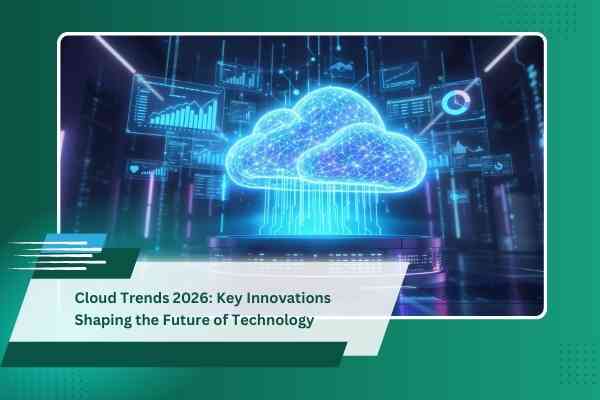
The cloud computing landscape continues to evolve at a remarkable pace. Businesses across industries are embracing cloud technologies to improve efficiency, scale operations, and stay competitive. Understanding the latest developments in cloud computing is essential for organizations aiming to leverage these technologies effectively.
Artificial Intelligence and Machine Learning
One of the most transformative aspects of cloud innovation is the integration of artificial intelligence (AI) and machine learning (ML). Cloud platforms now offer AI-driven analytics, automated workflows, and predictive insights that empower organizations to make faster, data-driven decisions. Companies are increasingly adopting AI tools hosted on the cloud to streamline operations, optimize customer experiences, and drive innovation. These AI-enabled cloud solutions are helping businesses identify patterns, forecast trends, and implement strategic changes with minimal delay.
Serverless Computing
Serverless computing is gaining traction as an efficient approach to application development. In this model, organizations can run applications without the need to manage underlying servers. Serverless architectures automatically scale with demand, reducing operational overhead and costs. This trend is particularly relevant for event-driven applications, microservices, and dynamic workloads. Businesses benefit from faster deployment times, improved scalability, and enhanced focus on product development rather than infrastructure management.
Multi-Cloud and Hybrid Cloud Strategies
Modern organizations are moving away from relying on a single cloud provider. Adopting multi-cloud and hybrid strategies allows companies to distribute workloads across different platforms for greater reliability and flexibility. Hybrid cloud models, which combine on-premises systems with public cloud resources, enable businesses to maintain control over sensitive data while taking advantage of the cloud’s scalability. Multi-cloud approaches reduce dependency on a single vendor, improve redundancy, and provide cost optimization opportunities, making them essential for forward-thinking IT strategies.
Edge Computing
As businesses demand faster processing and real-time analytics, edge computing is becoming increasingly important. By processing data closer to the source rather than relying solely on central cloud servers, edge computing reduces latency and improves performance for applications such as IoT devices, autonomous systems, and smart city infrastructure. Combining edge computing with cloud resources allows organizations to handle large volumes of data efficiently while maintaining responsiveness and reliability across applications.
Cloud Security Innovations
With the growing reliance on cloud technologies, ensuring data security remains a top priority. Organizations are investing in advanced cloud security solutions, including zero trust architecture, continuous compliance monitoring, and AI-driven threat detection. These innovations protect sensitive data, prevent unauthorized access, and address emerging cyber threats. By integrating robust security measures, businesses can safely expand cloud adoption without compromising operational integrity.
Cost Optimization and Resource Management
As cloud adoption increases, managing costs effectively has become a critical focus. Cloud providers now offer tools for monitoring usage, automating resource allocation, and analyzing spend patterns. Optimizing cloud resources ensures that organizations maintain high performance while controlling operational expenses. Businesses that actively track and adjust their cloud usage can maximize return on investment, improve efficiency, and prevent unnecessary spending.
Cloud-Native Applications
Developing cloud-native applications is another emerging trend that allows organizations to fully leverage cloud capabilities. These applications are designed to take advantage of cloud infrastructure, enabling rapid deployment, scalability, and continuous integration. Cloud-native approaches encourage modular architecture, containerization, and microservices, which simplify updates and enhance reliability. Organizations adopting cloud-native strategies can respond more quickly to market changes and evolving customer needs.
Automation and Orchestration
Automation in the cloud is transforming how businesses manage workloads and infrastructure. Orchestration tools allow organizations to automate repetitive tasks, streamline deployment pipelines, and improve operational efficiency. This trend is enabling IT teams to focus on strategic initiatives rather than routine maintenance, accelerating innovation and enhancing overall productivity.
Sustainability in Cloud Computing
Sustainability has become a core consideration for cloud adoption. Leading cloud providers are investing in energy-efficient data centers, renewable energy, and sustainable infrastructure practices. Businesses are increasingly choosing providers with strong environmental commitments, aligning operational goals with global sustainability initiatives. By integrating eco-friendly practices into cloud strategies, organizations can reduce their carbon footprint while benefiting from scalable and reliable technology solutions.
Future Outlook
The cloud computing ecosystem is set to continue evolving, with innovations in AI, edge computing, automation, and sustainability shaping the future. Staying informed about these developments allows organizations to remain agile, competitive, and technologically advanced. Embracing modern cloud solutions ensures that businesses can meet growing digital demands, optimize operations, and capitalize on emerging opportunities.
ITechinfopro provides essential content, insights, analysis, and references that guide business technology decision-makers throughout their purchasing journey.