
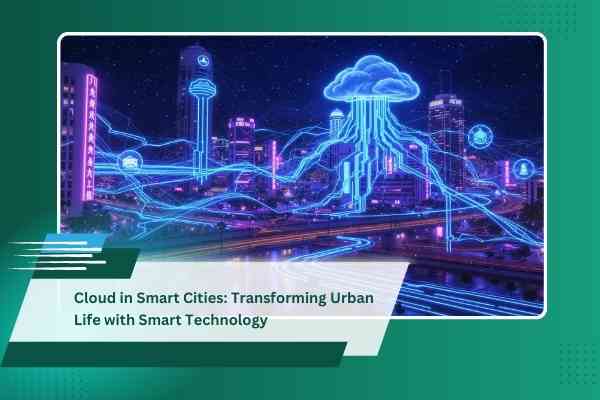
Smart cities are redefining how we experience urban life, combining technology, data, and infrastructure to create safer, more efficient communities. At the heart of this transformation is Cloud in Smart Cities, which powers real-time data management, connectivity, and innovative services. By leveraging cloud technologies, cities can optimize resources, enhance citizen experiences, and build resilient urban ecosystems.
Understanding Cloud in Smart Cities
Cloud in Smart Cities allows urban administrators to store, process, and analyze vast amounts of data collected from IoT devices, traffic systems, and public utilities. This centralized platform enables smarter decision-making, reduces operational costs, and scales effortlessly as cities grow. By providing real-time insights, cloud systems help cities respond proactively to challenges, from traffic congestion to energy demand.
Smart Traffic and Transportation
Managing traffic efficiently is a critical aspect of modern urban life. Cloud-powered solutions help cities monitor traffic patterns, adjust signal timings dynamically, and provide commuters with real-time updates. Public transport systems also benefit from cloud integration, allowing accurate tracking and scheduling that improve reliability and reduce congestion.
Enhancing Public Safety
Safety is a cornerstone of smart urban planning. By utilizing cloud platforms, cities can monitor public spaces, analyze surveillance data, and detect unusual activities quickly. Cloud-driven predictive analytics also help authorities identify potential risk areas, enabling preventive measures and faster emergency responses, creating safer urban environments for all residents.
Sustainable Energy Management
Sustainable energy practices are increasingly central to smart cities. Cloud platforms allow cities to monitor energy consumption, optimize distribution, and integrate renewable sources like solar and wind. By analyzing usage patterns, Cloud in Smart Cities supports reduced waste and lower carbon emissions, contributing to environmentally responsible urban growth.
Healthcare and Citizen Well-being
Healthcare delivery benefits significantly from cloud technologies. Hospitals and clinics can store patient data securely, enable telemedicine, and share records seamlessly. Cloud systems allow authorities to track health trends and manage resources efficiently, ensuring timely care in densely populated areas while improving overall public health outcomes.
Efficient Waste Management
Urban waste management becomes smarter with cloud integration. Sensors on bins and vehicles can relay data to cloud platforms, helping cities optimize collection schedules and routes. By leveraging these insights, cities can maintain cleaner streets, reduce operational costs, and minimize environmental impact, illustrating the broad utility of cloud in urban planning.
Data-Driven Urban Planning
Urban planning relies on accurate, comprehensive data. Cloud technologies allow city planners to analyze traffic, energy, environmental, and social metrics to make informed infrastructure decisions. Citizens can also participate in planning processes through cloud-based platforms, offering feedback and reporting issues, fostering transparency and engagement.
IoT Integration in Smart Cities
IoT devices, from smart streetlights to environmental sensors, generate massive amounts of data. Cloud platforms provide the infrastructure needed to process this data in real-time, enabling intelligent urban services. The integration of IoT with cloud technology helps cities operate efficiently, reduce energy consumption, and enhance residents’ quality of life.
Overcoming Implementation Challenges
Adopting cloud solutions in urban management comes with challenges, such as data privacy, system integration, and legacy infrastructure compatibility. Smart cities address these issues through robust security protocols, phased migration strategies, and hybrid cloud solutions, ensuring smooth implementation and effective operations.
Driving Innovation Across Industries
Cloud platforms not only optimize city operations but also stimulate innovation in sectors like transportation, logistics, and retail. Businesses can leverage cloud insights from urban data to improve services, streamline operations, and enhance customer experiences. Collaboration between public and private sectors further amplifies the impact of cloud technologies on city life.
ITechInfoPro provides essential insights, data, and analysis to support business technology leaders in making informed purchasing decisions.