In today’s rapidly evolving IT ecosystem, organizations face mounting pressure to deploy data centers quickly while maintaining high performance and reliability. Traditional deployment methods often involve lengthy planning, complex logistics, and extended timelines that can delay digital transformation initiatives. Fully integrated racks offer a transformative solution by consolidating hardware, networking, and cooling systems into pre-configured units that simplify deployment. This approach not only accelerates implementation but also optimizes operational efficiency.
Understanding Fully Integrated Racks
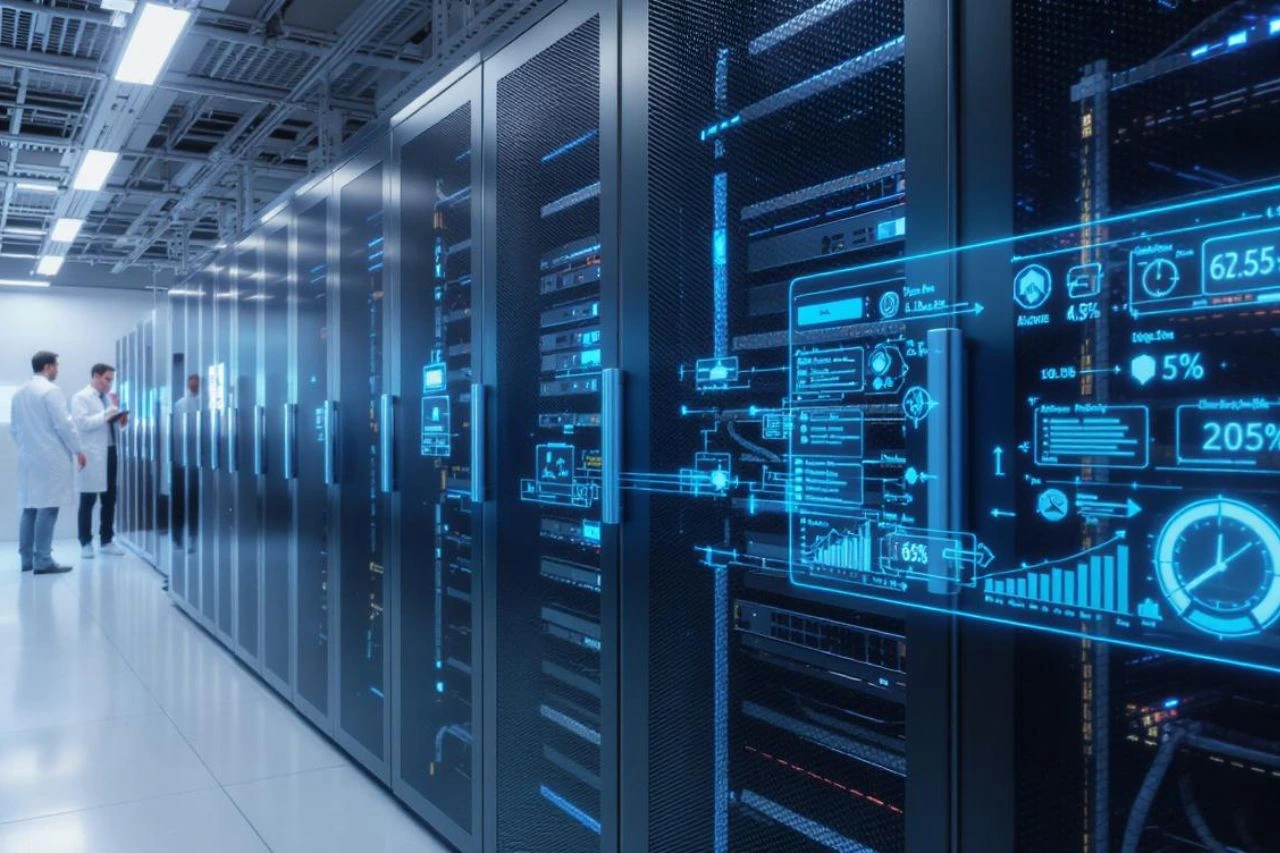
Fully integrated racks combine servers, storage, networking components, and power and cooling solutions into a single, pre-engineered enclosure. Unlike conventional setups that require separate procurement and assembly of individual components, integrated racks arrive pre-tested and ready to install. This integration reduces setup complexity, mitigates human error, and ensures compatibility across systems. As a result, IT teams can focus on strategic initiatives rather than troubleshooting hardware or managing intricate installation processes.
The Impact on Deployment Cycles
Deployment speed is critical for businesses seeking to remain competitive in the technology-driven marketplace. By leveraging fully integrated racks, organizations can significantly reduce the time required to bring a data center online. Traditional deployments may take several months due to manual assembly, testing, and configuration, whereas integrated racks can cut deployment cycles by weeks or even months. Consequently, businesses can accelerate project timelines, respond faster to market demands, and support scaling operations with greater agility.
Driving Innovation Through Standardization
Integrated racks promote innovation by enabling standardization across data centers. Standardized units simplify maintenance and upgrades while reducing the need for custom solutions that can slow progress. Additionally, IT teams gain greater predictability in performance and energy consumption, which enhances sustainability efforts and supports organizational goals in energy efficiency. This approach aligns with broader trends in the IT industry, where standardization and modularity are driving both cost efficiency and technological innovation.
Supporting Digital Transformation Initiatives
Digital transformation relies heavily on agile IT infrastructure. Fully integrated racks facilitate this agility by providing flexible solutions that can quickly adapt to changing business requirements. Whether deploying cloud services, supporting AI workloads, or expanding edge computing capabilities, integrated racks offer scalable infrastructure that aligns with evolving digital strategies. Moreover, the rapid deployment and consistent performance of these systems enable businesses to implement new technologies without disrupting ongoing operations, creating a smoother transition into modern IT landscapes.
Enhancing Operational Efficiency
Operational efficiency is a key concern for data center managers. Fully integrated racks reduce the overhead associated with installation, configuration, and troubleshooting. With pre-validated components and streamlined cabling, IT teams spend less time on repetitive tasks and more time on innovation-driven activities. Additionally, integrated racks improve cooling efficiency and energy management, contributing to lower operational costs and improved sustainability. As a result, organizations can maximize the return on technology investments while maintaining high standards of reliability and performance.
Implications Across IT and Business Functions
The benefits of integrated racks extend beyond technology teams. Finance departments can realize cost savings through reduced deployment timelines and lower operational expenses. HR teams benefit from reduced workload on IT staff, freeing them to focus on strategic talent development and HR trends and insights. Marketing and sales functions can also capitalize on faster technology enablement, supporting initiatives informed by marketing trends analysis and sales strategies and research. These cross-functional impacts underscore the strategic value of integrated racks in modern enterprises.
Future Outlook for Integrated Data Center Solutions
As the IT industry continues to evolve, fully integrated racks are likely to become a central component of modern data center strategy. Emerging technologies such as AI, machine learning, and edge computing will drive demand for rapid deployment solutions that support high performance and scalability. Organizations adopting integrated racks today are positioning themselves to respond quickly to future challenges and opportunities. Moreover, continued innovation in rack design and integration will enhance performance, sustainability, and adaptability, creating long-term value across the enterprise.
Investing in fully integrated racks not only reduces deployment cycles but also strengthens an organization’s capacity for innovation, operational efficiency, and strategic growth.
iTechInfoPro provides essential insights, detailed analysis, and reliable information to guide business technology leaders in making informed purchasing decisions.